Record Israeli emigration risks economic strain
New data shows a historic rise in departures since 2023, prompting fears that next week's election may accelerate the loss of skilled workers.
By Marta Price ·

The Israeli labor market has undergone a significant shift in recent years, with resident outflows reaching levels not previously seen in national records. This demographic movement has raised concerns among economists and business leaders about the long-term viability of the country's tech and service sectors. The situation is poised to become more volatile ahead of the national election scheduled for next week.
A study published in February by researchers at the Coller School of Management at Tel Aviv University provides the quantitative basis for this concern. Based on data from the Central Bureau of Statistics, the report indicates that approximately 99,000 individuals departed the country between January 2023 and December 2024. The methodology defines emigrants as those away for at least three consecutive months who spent more than 270 days abroad during their first year of departure. Of this total, roughly 50,000 left in 2023 and 49,000 in 2024, with preliminary figures suggesting the trend persisted into 2025.
The backdrop for this exodus includes the war that followed the Hamas attack on southern Israel in 2023. That assault killed about 1,200 people and resulted in 250 hostages being taken. Israel responded with a major military campaign in Gaza, a conflict that saw a fragile ceasefire take effect in October 2025. Despite the truce, Israel retains control of approximately 60 percent of the enclave and continues regular military operations, contributing to a sense of ongoing instability.
Economic anxiety is compounded by political uncertainty. Prime Minister Benjamin Netanyahu, who has led the country for three decades, is seeking another term. His corruption trial, which began in 2020, has yet to reach a verdict. Itai Ater, a professor at Tel Aviv University, notes that these factors force citizens to reconsider their living conditions. He observes that many are questioning whether they wish to raise their families in such an environment, a sentiment he says he shares with those choosing to leave.
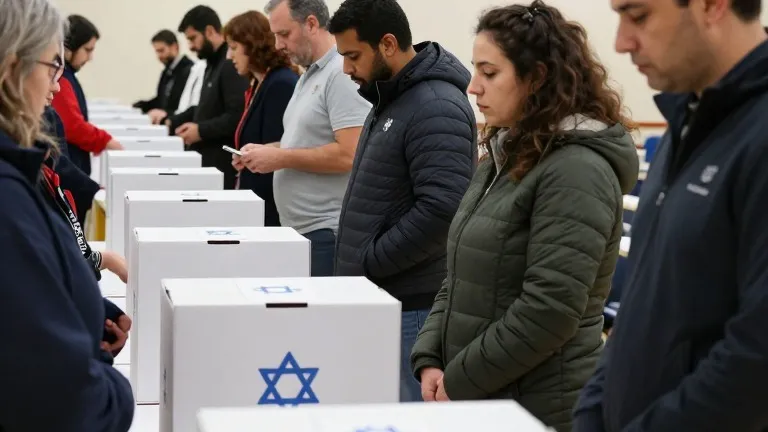
The upcoming election introduces further variables. Polls indicate that Netanyahu’s far-right bloc may not secure the 61 Knesset seats required for a majority. A rival coalition led by Gadi Eisenkot of the Yashar party is expected to win the most seats but also fall short of a governing majority. Consequently, the decisive political maneuvering will likely occur in post-election coalition negotiations, a process in which Netanyahu has historically excelled.
Beyond the general population, the composition of those leaving presents a specific economic risk. The study highlights a sharp increase in departures among highly skilled professionals. In 2023 and 2024, net departures included 2,360 engineers and 509 doctors. Ater emphasizes that the Israeli economy relies heavily on this human capital, particularly in the technology, academic, and healthcare sectors. The loss of these workers threatens the competitive edge of industries that drive export growth.
Corporate entities are also adjusting their strategies in response to these trends. Liam Schwartz, who heads corporate immigration at the Tel Aviv law firm Goldfarb, Gross, Seligman, reports that some firms are facing pressure from non-Israeli shareholders and investors. These stakeholders are concerned about the operational viability of maintaining a base in Israel. As a result, companies are increasingly willing to relocate parts of their workforce to North America or Europe. Schwartz links this sentiment to the judicial reform proposals introduced in January 2023, which aimed to reduce the powers of the Supreme Court.
Individuals on the ground report a tangible impact on their daily lives. Avigail Ben-Porat, a 50-year-old single mother in Kiryat Shmona near the Lebanese border, expresses a desire to emigrate but lacks the financial resources to do so. She continues to hear rocket fire regularly and notes that many of her peers have moved to destinations such as Portugal, Canada, Thailand, and India. Schwartz describes the October vote as a potential watershed moment for emigration rates, while Ater frames the stakes as a strategic risk to Israel’s status as a liberal democracy, with implications for the Middle East and the global economy.
Source: CBC News
More Business · World news · Rip-Off Report · Report a business · Got a Story?