7,000 deaths mark the cost as experts predict a third, costlier round of Iran war
Analysts expect U.S. and Israeli strikes to resume after the November 3 midterms, targeting Gulf energy assets and digital infrastructure.
By Pablo Montgomery ·

Global energy prices and shipping costs face renewed pressure as experts predict the United States and Israel will restart their conflict with Iran immediately following the U.S. midterm elections on Nov. 3. This third phase of fighting is expected to be more destructive than previous rounds, with a specific focus on economic infrastructure.
Danny Citrinowicz, a former Israeli intelligence official who now works with the Institute for National Security Studies, stated that a renewed war seems almost inevitable. He noted that President Donald Trump faces only bad and worse options in the Persian Gulf. Citrinowicz previously warned that military action would not cause regime change but would widen the regional conflict, a prediction he believes has been confirmed by recent events.
The U.S. and Israel have already engaged Iran in two separate wars over the past 18 months. The first conflict began in June 2025 with strikes on nuclear facilities and ended after 12 days. The second started in February with Israeli attacks on senior leadership, including Ayatollah Ali Khamenei. Since the summer truce collapsed, both sides have largely avoided direct strikes on each other's bases, but tensions remain high.
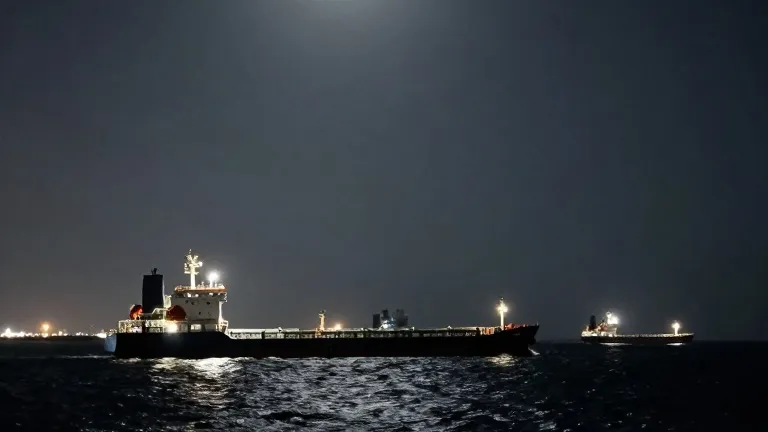
Citrinowicz expects the next round to target Gulf energy facilities, civilian infrastructure, and communications lines under the Strait of Hormuz. He also suggested Iran might send land forces into limited attacks on Kuwait and Bahrain, which host U.S. bases, to damage the American economy. The U.S. is currently blockading Iranian ports, while Iran targets commercial ships in the strait to raise global energy costs.
The human toll has reached a grim milestone. Western NGOs report more than 7,000 deaths in Iran. Lebanese media cite over 4,000 deaths in Lebanon. In the U.S., 21 service members have been killed, mostly in Gulf strikes, alongside more than 70 Israelis. Deaths have also been recorded in the UAE, Saudi Arabia, Iraq, and Yemen.
Diplomatic efforts by Pakistan and Qatar have failed to restart talks. Iran demands sanctions relief, reparations, the release of frozen assets, and the right to keep enriched uranium. Suzanne Maloney of the Brookings Institution warned that proxies like the Houthis and Hezbollah could target soft economic sites such as airports. Karim Sadjadpour of the Carnegie Endowment for International Peace said Trump lacks a clear goal and that no military strike will force Iran to capitulate.
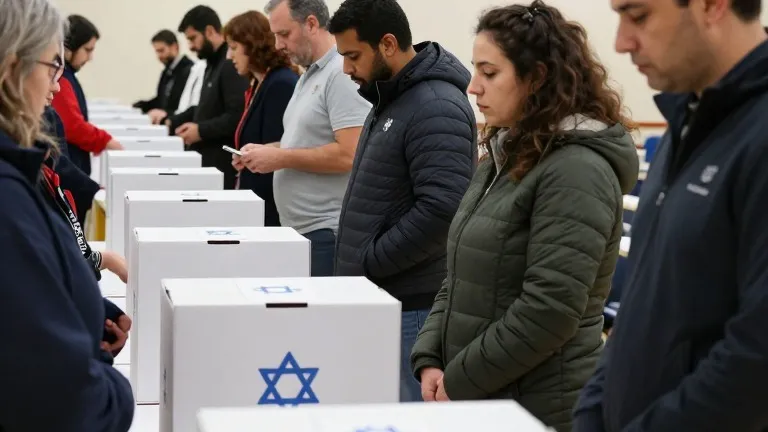
The Pentagon is drafting a new battle plan, though it is unclear if Trump will approve it. Netanyahu faces a close election in the coming days and has spoken of finishing the job. Citrinowicz said a widening crisis could help Netanyahu form an emergency unity government. Sadjadpour argued that diplomacy is not dead but has been narrowed by maximalist aims, noting that Iran would only compromise under existential economic pressure and a clear diplomatic exit.
Source: CBC News
More Business · World news · Rip-Off Report · Report a business · Got a Story?