Sudan Fuel Scarcity: Transport Costs Surge
A 40 percent fare hike and multi-hour gas queues are eroding daily wages for workers and traders as domestic output drops.
By Marta Price ·

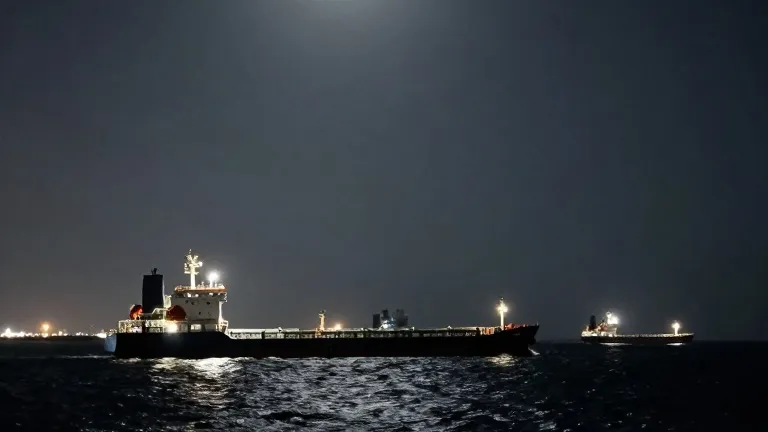
Sudan’s ongoing conflict has disrupted domestic fuel production, forcing the country to rely on imports during a period of high global energy prices. This supply gap has triggered a sharp rise in transportation costs and reduced daily earnings for workers across the nation.
In Port Sudan, minibus driver Azhari Mohamed operates seven round trips daily between Shagar and the city center. His vehicle consumes 11 liters of petrol per day, a cost of 105,000 Sudanese pounds, or $11.30 at the parallel market rate. Due to scarcity, Mohamed now works two days and spends a third waiting in lines that can last over five hours. After covering operating costs, he retains approximately 50,000 pounds, or $5.40, to support his family.
The Sudan Transport Chambers Union implemented fare increases this month to offset rising operational expenses. Intercity bus fares rose by 40 percent, while minibus fares increased by 30 percent. In Gazira State, petrol costs 40,000 pounds per gallon, compared to 35,000 pounds in Port Sudan. These price hikes have forced commuters to reduce their working hours to manage travel expenses.
Aziza Ibrahim, a cleaner in Port Sudan, has cut her schedule to three days a week. Her daily round trip to the city center now costs 11,000 pounds, or $1.18, up from 700 pounds before the war. This amount represents nearly half of her monthly salary of 400,000 pounds, or $43. She frequently borrows money for transit and repays it upon receiving her wages, while also covering the cost of diabetes treatment.
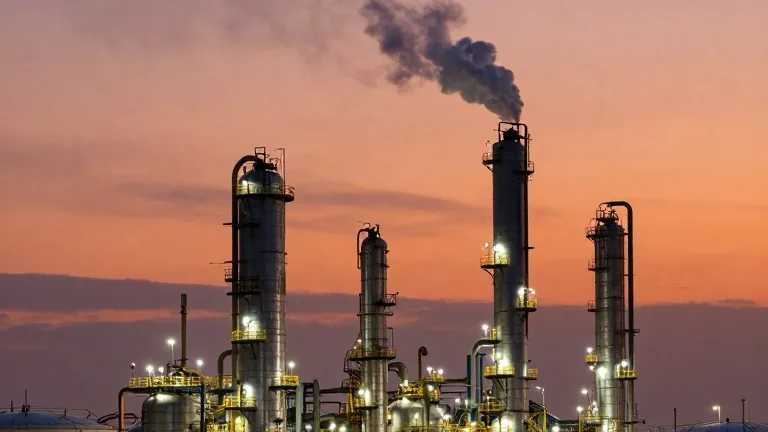
The United Nations Development Programme reports that average incomes in Sudan have fallen to levels last seen in the 1990s. The Ministry of Energy and Petroleum estimated war-related losses at $20 billion last year. The World Bank noted that attacks on the Balila oil field have disrupted supplies to the Khartoum refinery, which previously met 60 percent of national demand for petrol and liquefied petroleum gas.
Economic analyst Sidi Ohaj stated that strict import rules have worsened the shortage. Importers must deposit 200 kilograms of gold in the Central Bank and own storage facilities, conditions that caused some firms to exit the market. He added that the government should ease import procedures to balance supply and demand. He also cited drone attacks on infrastructure and the US-Iran conflict as factors disrupting global energy markets.
Trader Ahmed al-Haj in Omdurman reported that higher fuel prices have increased the cost of moving a tonne of goods by 30 to 50 percent. Local delivery fees have doubled from 5,000 pounds to between 10,000 and 12,000 pounds. Al-Haj said transport workers are making fewer trips, causing goods to accumulate at trading premises while businesses pass the higher distribution costs onto consumers.
Source: Al Jazeera
More Business · World news · Rip-Off Report · Report a business · Got a Story?