Syria Protests Israeli Troops After Death of Disabled Man in South
Rallies in Damascus and Homs demand answers after Israeli forces killed Moaz during an incursion, while troops continue to occupy parts of Quneitra and Daraa provinces.
By Kofi Greco ·
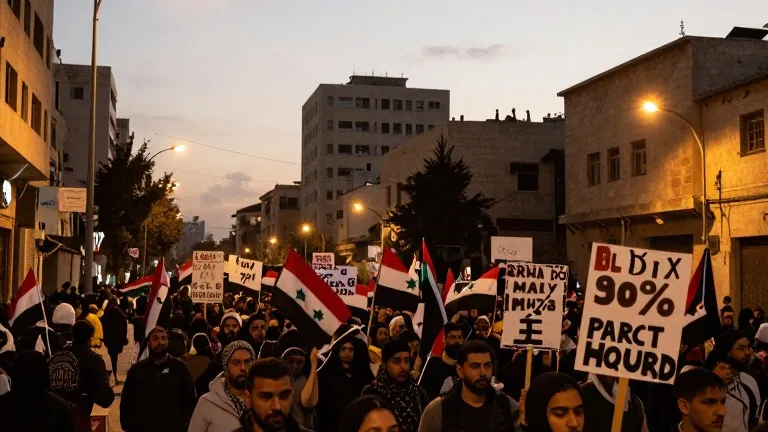
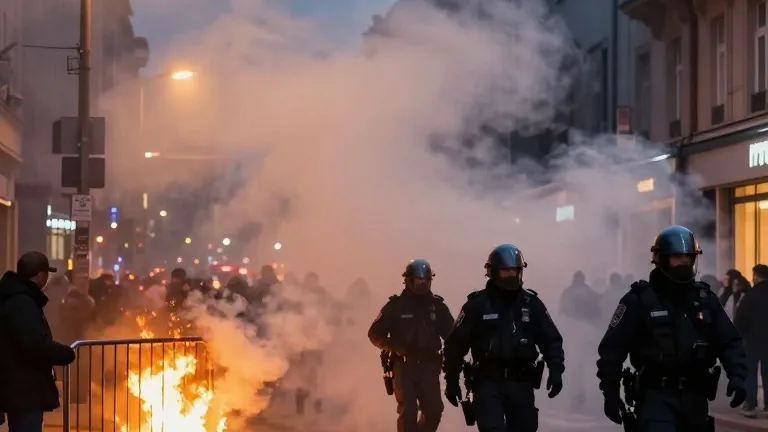
Hundreds of thousands of demonstrators took to the streets across Syria on Friday, responding to the death of a man with a disability during recent military operations in the country's south. The rallies, which drew large crowds in the capital Damascus and the central city of Homs, marked a visible surge in public pressure following a series of incursions by Israeli forces.
The immediate trigger for the demonstrations was the killing of Moaz, a man with special needs, by Israeli fire. State media reported that he was shot a day prior to the rallies during an operation in Daraa province. In response, marchers carried posters bearing the slogan "We are all Moaz," linking the individual loss to a wider national grievance against the military presence in the border regions.
Protesters in the city of Daraa waved Syrian flags as they gathered in the streets. Taysir al-Hariri, a participant in the rally, told the news agency AFP that the crowd aimed to "send a message to the world." He stated that Syria stands united "against Israeli incursions and against anyone who is tempted to tamper. with national security." The language signaled a collective stance rather than a localized complaint.
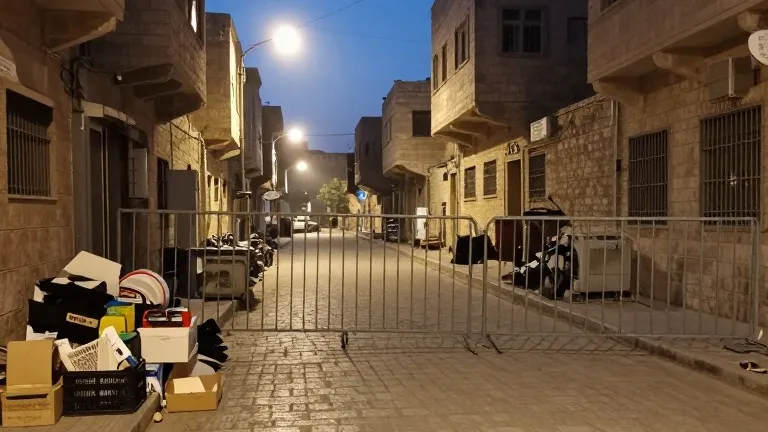
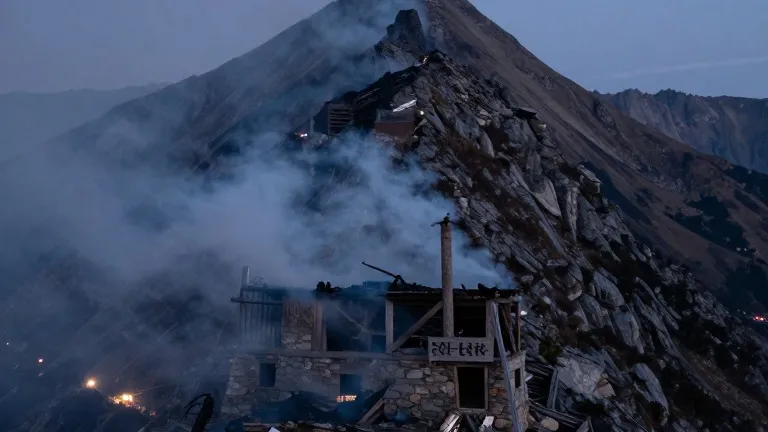
Beyond the specific incident involving Moaz, the protests addressed the broader pattern of military activity in the southern provinces of Quneitra and Daraa. State television footage showed marchers holding signs that highlighted the physical destruction of the area. The visual narrative focused on the impact of the incursions on civilian life and the local infrastructure.
In Damascus, a separate but related group gathered outside a United Nations building. The family of a Syrian man currently held by Israel demanded his release. Children in the crowd held up posters with the simple message "I want my dad," adding a personal dimension to the political demands for a cessation of hostilities and the return of detainees.
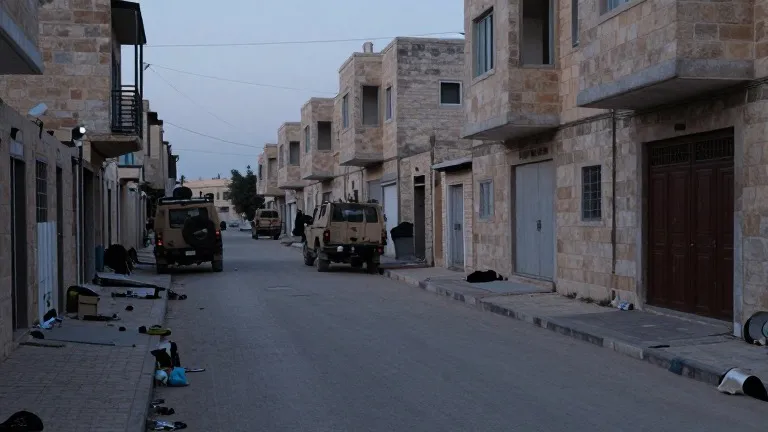
The Israeli military advanced into parts of Quneitra province on Friday, blocking several key roads. According to reports from the region, troops bulldozed olive groves and established new checkpoints. These actions included the detention of local residents, a move that has intensified tensions in the buffer zone between the two nations.
This escalation occurs against the backdrop of a shifting security environment since the new Syrian government took power in December 2024. That administration came to rule after the fall of longtime leader Bashar al-Assad. Since then, Israel has conducted hundreds of strikes within Syrian territory. The frequency of these operations has increased as the new government attempts to consolidate its control over the state.
Israeli forces also entered the UN-patrolled buffer zone on the Golan Heights. This area had served as a separation line between Israeli and Syrian military forces since 1974. The move into this specific zone represents a notable shift in the long-standing military arrangement that has defined the border since the end of the 1973 war.
The Israeli government has stated its intention to maintain a troop presence in a designated security zone in southern Syria. Officials in Israel have indicated a desire to create a larger demilitarized area in the region. This strategic goal places the current protests within a larger context of competing security objectives and territorial definitions in the Levant.
Source: Middle East Eye