US plans to remove South Africa and Rwanda from duty-free trade program
The two countries are set to lose AGOA trade preferences in January 2027 after Washington said their practices breached the program's eligibility requirements.
By Kofi Greco ·
South Africa and Rwanda are set to lose preferential access to the US market under the African Growth and Opportunity Act, known as AGOA, beginning in January 2027. US Trade Representative Jamieson Greer announced on Monday that President Donald Trump intends to end both countries' participation in the program, which has operated for 26 years.
Greer said the governments of both countries were pursuing practices incompatible with AGOA's eligibility rules. He cited obstacles to American trade and investment, as well as practices threatening US national security and foreign policy interests in the region. His statement did not identify specific trade barriers or explain the security and foreign policy concerns.
Introduced in 2000 by former President Bill Clinton, AGOA has become a central part of US economic relations with sub-Saharan Africa. More than 30 countries benefit from the program, which covers over 1,800 specific products. Duty-free access is regarded as an important economic benefit for participating countries. Trump extended the initiative in February, and eligibility is reviewed regularly.
To qualify, countries must remove barriers to US trade and investment and maintain an open market economy. The requirements also encompass democratic principles, including respect for the rule of law, human rights and labor protections.
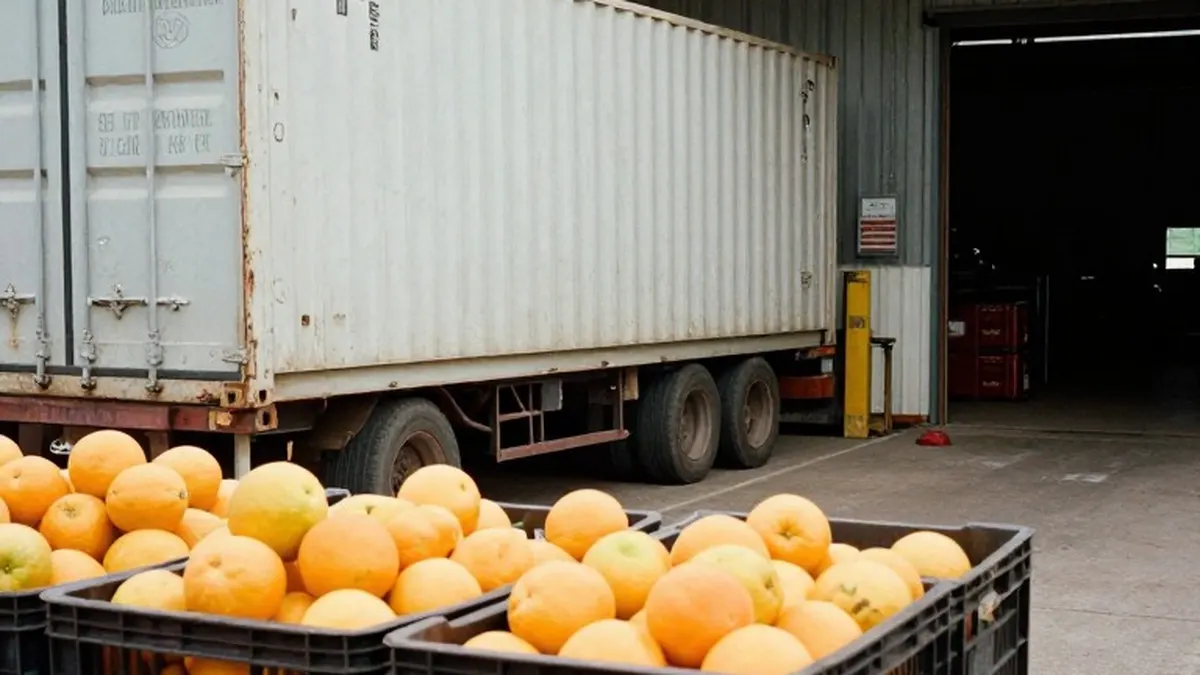
South Africa is the program's biggest beneficiary. Its exports to the United States through AGOA totaled $1.7 billion in 2025, including car parts, citrus fruit and wine. The country's Trade Ministry said last week that it had prepared for exclusion. It noted that AGOA shipments account for roughly 10% of South Africa's exports to the United States and 1% of its worldwide exports.
The ministry described AGOA as important while emphasizing that the broader economic relationship with Washington extends beyond the program. In recent weeks, President Cyril Ramaphosa has urged South Africa to prepare for exclusion by pursuing additional markets and trade agreements with partners such as China. On Monday, the government said the United States remained an important trading partner and pledged support for affected sectors.
South Africa's citrus industry, which depends on exports, warned that the decision threatened its entire value chain across both sides of the Atlantic. It also raised concerns about jobs and the economic security of whole communities.
Rwanda faces US economic pressure over its alleged support for the M23 rebel group in the Democratic Republic of Congo. Last week, Washington sanctioned Rwanda's Defense Ministry, which denies links to M23, along with several individuals, institutions and a gold refinery. Coffee and minerals are among Rwanda's main exports to the United States.
Source: Deutsche Welle