Man convicted over cash theft at South African president's farm
The verdict against Imanuwela David follows a theft at Cyril Ramaphosa's Phala Phala property that became the centre of an impeachment dispute.
By Marta Price ·
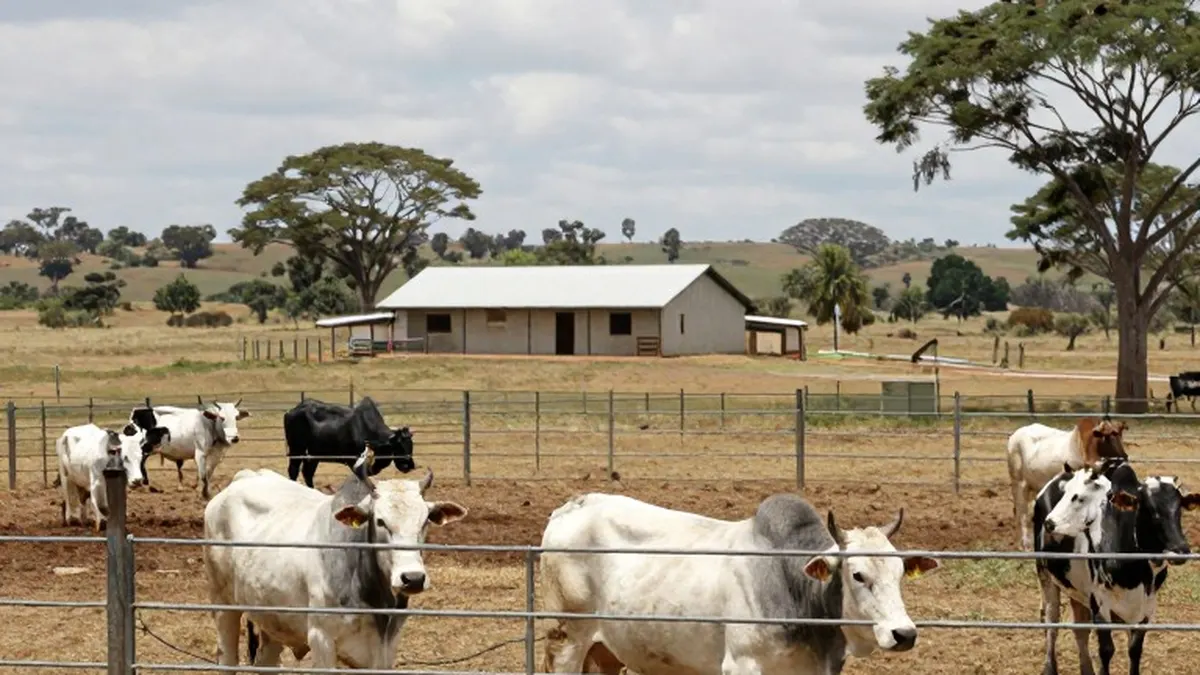
A South African court on Monday convicted Imanuwela David of theft in a case involving more than $500,000 in cash taken from President Cyril Ramaphosa's farm. The February 2020 burglary at Phala Phala, a cattle farm in Limpopo province, later became the focus of a scandal that drew the president into an impeachment dispute.
David was also convicted of conspiracy to commit housebreaking with intent to steal. Froliana Joseph, who worked as a cleaner at the property, was found guilty of the same conspiracy offence. Her brother, Ndilinasho Joseph, was cleared of every charge against him. Pre-sentencing proceedings are scheduled for 13 November.
The accusation against David was that he broke into the property and stole $580,000 in cash that had been kept in a sofa. After the burglary, he spent money on a house, diamond-encrusted Rolex watches and several cars. Those purchases included a Porsche, two Volkswagens and three Mercedes vehicles, one of which was for his girlfriend.
David maintained in court that his money came from business activities, including diamonds and Bitcoin. The court rejected that explanation. It also found that, of the two people convicted, David alone had some of the stolen money in his bank account.
The burglary remained largely out of public view until 2022, when former South African intelligence chief Arthur Fraser brought it to light. Fraser, an ally of former president Jacob Zuma, alleged that Ramaphosa had concealed the theft from both police and tax authorities. The controversy became known as the Farmgate scandal.
Ramaphosa acknowledged that the cash had been stolen but denied wrongdoing. The allegations nevertheless prompted scrutiny of the president's handling of the burglary. An independent panel concluded in 2022 that he might have questions to answer over the incident, putting the matter before parliament.
MPs subsequently voted against setting up an impeachment inquiry. That decision did not end the dispute over how parliament had dealt with the panel's findings, and the handling of its report later became the subject of a constitutional court ruling.
In May 2026, the constitutional court found that parliament had acted unlawfully when it shelved the report. Ramaphosa then blocked the parliamentary inquiry through a provincial court in July. Monday's criminal verdict concerns the theft and conspiracy charges arising from the burglary at the centre of that continuing political and legal controversy.
Source: BBC News