Yemeni government offensive puts al-Jawf at centre of fight against Houthis
Government forces are seeking strategic heights near al-Hazm as fighting spreads across Yemen and restrictions deepen the humanitarian strain in Taiz.
By Kofi Greco ·
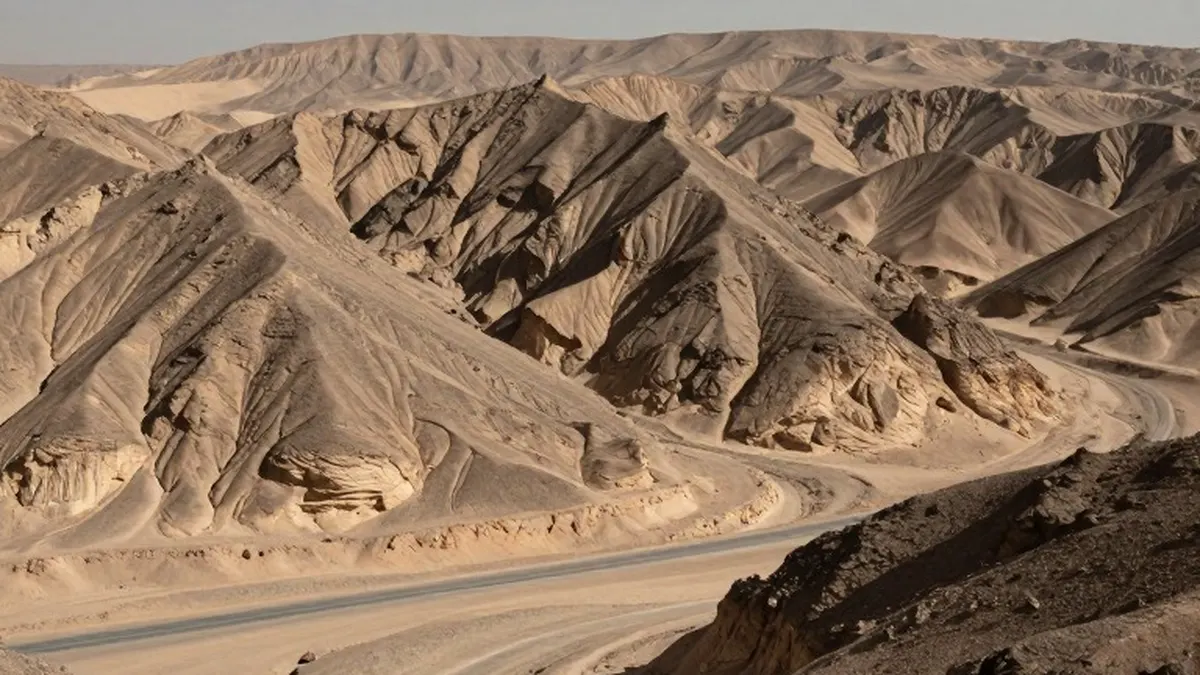
Yemen’s northern governorate of al-Jawf has emerged as a major battleground as the internationally recognised government’s army and allied forces mount a counteroffensive to seize high ground east of its capital, al-Hazm. The push forms part of Operation Dawn of Yemen, launched in October to recover territory from the Houthis and reestablish state control. The Houthis say they have blocked government advances in both al-Jawf and Marib.
Al-Hazm could provide a base for further government operations against the Houthis, who have held Sanaa and much of northern Yemen since the war began in September 2014. The city has changed hands repeatedly during the 12-year conflict, with the Houthis taking it in March 2020. Al-Jawf’s strategic value rests partly on its extensive Saudi border and connections to Hadramout, Saada, Sanaa, Amran and oil-rich Marib. It also helps shield government-held Marib and offers access to northern Houthi strongholds.
Field commander Colonel Rabie Al-Qurashi said government troops had taken full control of the Huwaishan mountain range east of al-Hazm. He described the rugged heights as the Houthis’ first defensive line on the eastern axis, saying their capture could allow government forces to interrupt supply routes. Partial control of the Al-Alam front road had also breached Houthi defences, he said, beginning to put pressure on the upper al-Labanat camp, a significant eastern gateway to Sanaa.
Military and strategic affairs researcher Ali Al-Dahab told Al Jazeera that the gains could support future operations towards al-Hazm. Holding the heights, he said, improves government forces’ ability to monitor Houthi supply routes, protect their own lines and move across the area, while strengthening morale and disrupting Houthi decision-making. Military spokesman Majed Abdullah Al-Nuzaili separately said on X that the operations were damaging Houthi capabilities.
The territorial picture remains divided. Government forces dominate Khabb wa ash Sha’af, a vast eastern desert district accounting for 82 percent of al-Jawf’s area, while the Houthis hold al-Hazm and 10 other districts. Security and political affairs researcher Brigadier General Ahmed Al-Awadhi advocated steady rather than rapid advances. He told Al Jazeera that heights in the desert governorate carry military value regardless of their distance from the capital, adding that the Houthis had repeatedly suffered defeats in open and desert terrain.
The fighting coincides with the Presidential Council’s appointment of Major General Amin Ali Al-Akimi as al-Jawf’s governor and military commander. Yemen analyst Ibrahim Jalal described his reappointment as part of efforts to reorganise operations and unify the front. Al-Akimi’s influence within Dhu Hussein, a branch of the Daham Bakil tribe, could help rally tribes and bridge divisions, Jalal said. Lasting gains would nevertheless depend on unified command, coordinated operations, military and logistical support, and stronger efforts against corruption.
Elsewhere, Houthi-affiliated media reported air strikes on an oil company facility in Hodeidah’s Bajil district. Government forces repelled Houthi attacks in al-Aqroudh and on the Tur al-Baha front in Lahij, while heavy fighting continued in Taiz governorate.
The siege of Taiz City has severely restricted food and fuel deliveries and strained medical services. Governor Nabil Shamsan said hospitals were operating at just 20 percent capacity and 120 health centres had closed entirely. He appealed for international help to secure a safe route between Taiz and Aden for civilians and essential supplies. Authorities also warned of sniper fire from surrounding hillsides. Across western Yemen, escalating fighting has forced more than 300,000 people from their homes.
Source: Al Jazeera