US midterms add uncertainty to Iran war as nuclear talks remain stalled
Analysts say US and Israeli politics, a nuclear dispute and regional security pressures could shape whether the Iran war moves toward compromise or renewed escalation.
By Kofi Greco ·
The United States heads into Tuesday's midterm elections with President Donald Trump's administration still lacking either a military victory or a diplomatic settlement in the Iran war. As the conflict enters its ninth month, analysts interviewed by Deutsche Welle say its direction depends on decisions in Washington and Tehran, political uncertainty in Israel and pressures across the region.
A Democratic victory could bring greater congressional scrutiny of the war's financial costs and push Trump toward domestic priorities, said Omid Memarian of DAWN, a Washington-based think tank focused on US Middle East policy. But both Memarian and Leiden University researcher Babak Rezaei Daryakenari cautioned that losing Republican control of Congress would not prevent further attacks. Trump retains considerable freedom over military operations and foreign policy.
Israel's October 27 election produced no outright majority for either Prime Minister Benjamin Netanyahu's coalition or the camp supporting former military chief Gadi Eisenkot. Memarian warned that uncertainty could encourage Netanyahu to act while still in power. Although Eisenkot might coordinate more closely with Washington, neither analyst expected a change of government to fundamentally remove Israel's concerns about Iran. Rezaei Daryakenari said the security establishment and governing coalition would also influence the risk of confrontation.
The nuclear dispute remains central to the deadlock. Washington rejects Tehran's account that its program serves only civilian purposes, while the two governments disagree over how negotiations should begin. According to Memarian, the United States seeks concessions at the outset, whereas Iran wants sanctions relief and access to frozen assets before nuclear talks. Finland-based political scientist Leila Morrovati said Tehran views the program as protection for its survival and a bargaining tool, while Washington fears the strategic consequences of a nuclear Iran.
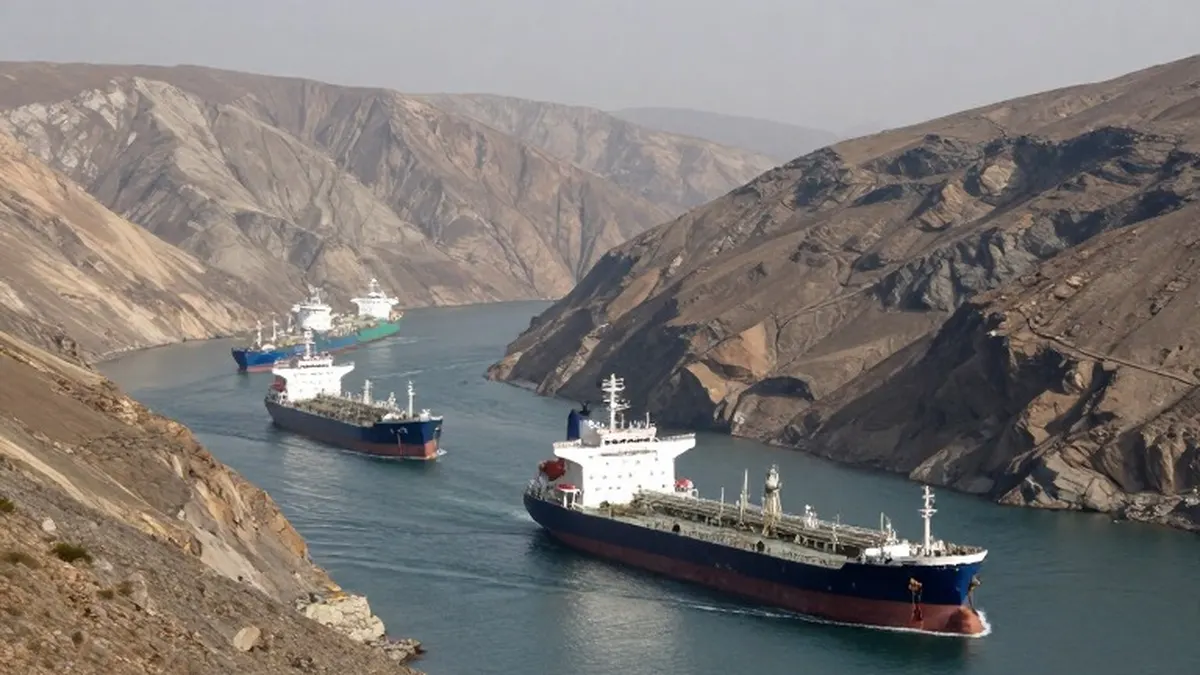
Maritime disruption adds another source of pressure. Before the war began in late February, roughly 20% of global oil passed through the Strait of Hormuz, where Iran has since sharply restricted energy exports. Memarian argued that incidents there would not automatically provoke escalation. Washington's response would depend on its broader calculations, including whether it judged an expanded attack worth the risks or preferred an economic blockade alongside negotiations.
Yemen's Houthi rebels have also targeted energy exports in the Red Sea and attacked Saudi cities and infrastructure. Memarian stressed that the group has domestic roots and makes its own pragmatic decisions despite its ideological ties to Tehran. Rezaei Daryakenari warned that Houthi attacks could widen the conflict and encourage regional countries to cooperate militarily to protect trade and security, reducing Iran's freedom of action even without their direct entry into the war.
With direct US-Iran talks stalled, Qatar, Oman, Pakistan and Saudi Arabia have drawn attention as potential intermediaries. Memarian said all four have an interest in ending the conflict while maintaining relationships with both Washington and Tehran. Morrovati argued that Washington's failure to support Arab allies during the war could eventually lead them to reconsider their policies and look toward US rivals.
Trump said during the campaign that he expected an agreement soon after the midterms. Reuters, citing three senior Iranian officials and another source, reported that Tehran had deliberately extended negotiations to weaken him politically. Memarian warned that Iranian expectations of greater pressure on Trump after a Republican defeat could misjudge his options. Rezaei Daryakenari assessed the likelihood of military escalation in the coming months as high.
Economic strain could encourage compromise, but the analysts saw no decisive breaking point yet. High oil prices and shipping risks are imposing costs across the region and beyond. Memarian said each side still believes that making the other suffer more will improve its negotiating position, sustaining a war of attrition rather than making agreement unavoidable.
Source: Deutsche Welle