Spain's Daily Lunch Ritual Faces a Slow Decline Amidst Shifting Habits
The traditional set-price midday meal in Spain is losing popularity as costs rise and work schedules change, prompting a cultural reckoning.
By Marta Price ·
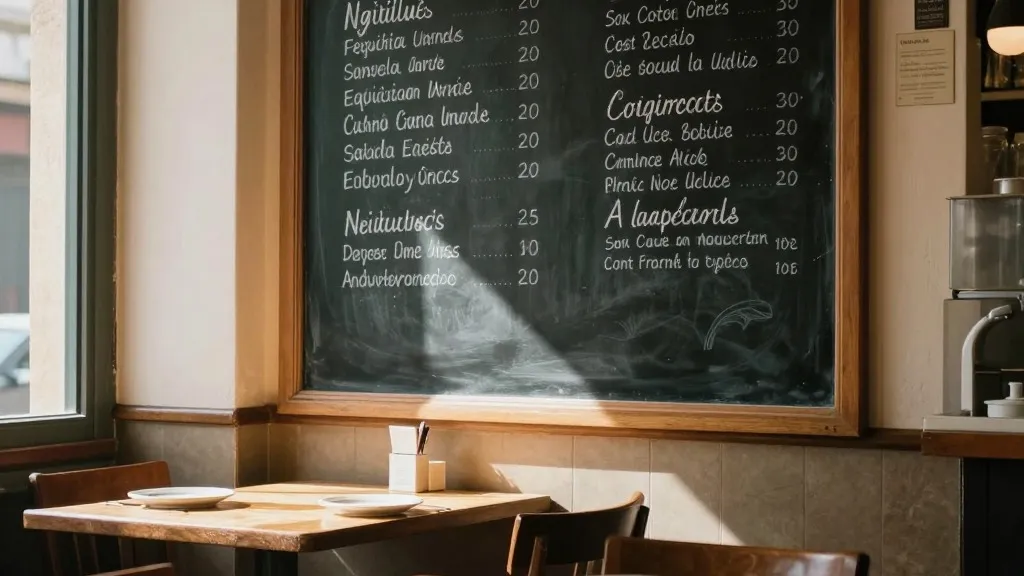
The familiar chalkboard menu outside Spanish restaurants is facing a quiet crisis. For decades, this daily set-price lunch has been a cornerstone of local life, but the habit is now slowly fading from the national routine.
Approximately four million of these meals are still served on weekdays, yet the trend is moving downward. In 2009, renowned chef Ferran Adrià declared the tradition dead, citing economic downturns and a shift toward pricier bistro dining. However, seventeen years later, that prediction appears to have been premature. The meal, which typically includes a starter, a hearty main course, and a dessert or coffee with bread and a drink, remains a significant part of the food landscape despite the changing times.
Lakshmi Aguirre, a Spanish food journalist, explores this history in her new book, Menú del Día: Everyday Scenes of a First Course, a Second Course and Pudding. She argues that while the tradition is under pressure, it is not yet extinct. The origins of the menú are rooted in the mid-1960s when Manuel Fraga, the information and tourism minister under dictator Francisco Franco, created it to showcase Spain's culinary abundance to tourists after the civil war. The original regulations required a soup starter, a main dish of egg, fish, or meat from at least three options, and a fruit, sweet, or cheese dessert. Prices were capped between 50 and 250 pesetas, and the accompanying wine had to be a pure Spanish red or white with at least 12% alcohol.
The initiative was renamed in the early 1970s to appeal to local residents rather than just tourists. Today, many Spaniards are unaware of its political origins. Aguirre notes that people often react with shock when they learn about Fraga's role, describing it as a case of rapid collective forgetting. She views the menú as a reflection of Spanish society's evolution and observes that nostalgia for the practice is growing as it becomes less common.
Economic factors are driving the decline. The average price has risen to 14.70 euros, making it a more significant expense for many. Time scarcity also plays a role, as workers increasingly opt for quick home-cooked meals or ready-made supermarket options. Rising energy and food costs make it difficult for small, family-run establishments to maintain rotating daily menus. Some have simplified their offerings to a single dish of the day, while others have adapted to demographic changes by adding Latin American staples. Aguirre accepts these shifts, noting that the menú has always mirrored the society that consumes it.
For Aguirre, the loss is more than just a cheaper meal. She describes the restaurant as a crucial meeting point where families with limited budgets can dine out and individuals living alone can find company. She believes the true value of the menú lies not only in affordability but in the time it allows people to enjoy their food without rushing.
Her ideal experience includes simple dishes like vegetable stew or fish, served with non-frozen chips and a changing menu. She avoids places that rely heavily on trendy ingredients like avocado or truffle. The presence of regulars and even a child doing homework at a back table are positive signs. As eating habits continue to evolve, the future of this midday institution depends on whether it can remain a viable and welcoming space for everyday diners.
Source: The Guardian
More Business · World news · Rip-Off Report · Report a business · Got a Story?