Nigerian Police Confirm 10 Dead in Binnari Village Raid
A coordinated assault by gunmen on motorcycles in Taraba State has left at least ten confirmed victims, though local witnesses and human rights groups report significantly higher casualties.
By Marta Price ·
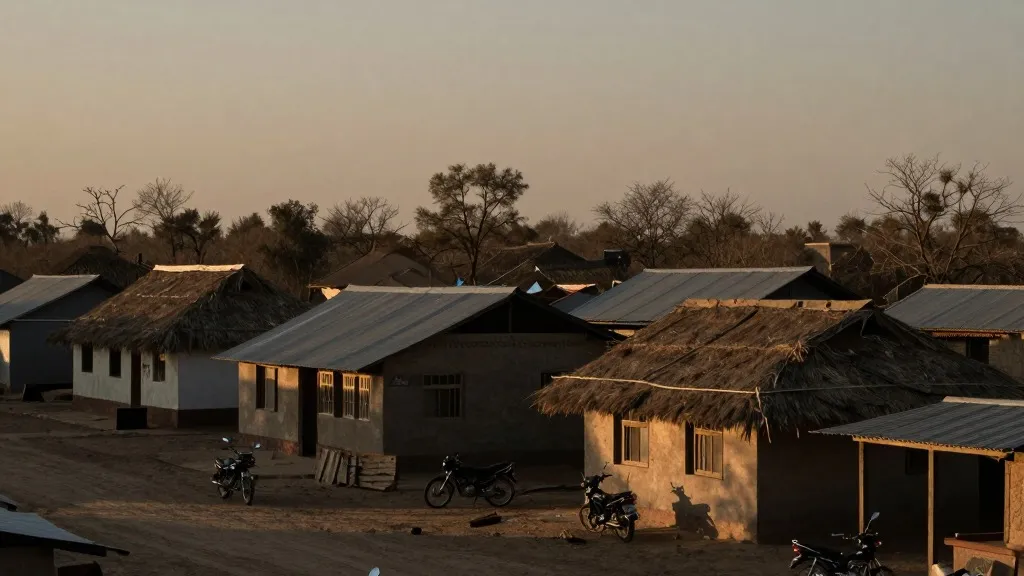
At least ten people have been confirmed dead after a large group of armed men attacked a village in eastern Nigeria, according to local police. The incident marks the latest surge of violence in a region where bandit groups have increasingly targeted rural communities for resources and ransom.
Police officials announced the figure on Saturday, stating that ten bodies had been recovered by Friday evening. The attackers, who arrived on motorcycles, targeted Binnari village in Taraba State. During the raid, the gunmen reportedly looted food supplies from local shops. While the official count stands at ten, other estimates suggest the true death toll is considerably higher.
Survivors of the attack provided a more grim picture to the AFP news agency, claiming that at least twenty people lost their lives. The human rights organization Amnesty International issued a statement on Saturday asserting that forty individuals were killed. The group noted that while police initially confirmed ten deaths, additional bodies were discovered later in the day, highlighting the discrepancy between official reports and on-the-ground accounts.
Residents of Binnari described the chaos of the assault, which began shortly after Friday prayers. Sa'idu Nuhu, a local resident, recounted the scene to AFP. He stated, "After the attackers left, we counted more than 20 bodies, and some people were still missing." Another villager, Isiyaku Musa, corroborated these reports, placing the death toll at no fewer than twenty individuals.
Malam Abubakar Saifullahi, a community leader, offered details on the scale of the operation. He told AFP that the assailants arrived on approximately fifty motorcycles. Each bike carried two men, creating a formidable force that quickly overwhelmed the village. The group moved through the settlement with purpose, targeting specific assets.
According to Saifullahi, the raiders focused on material wealth and transportation. They seized cash, foodstuffs, and other provisions from shops. Additionally, they took motorcycles that residents had abandoned in their haste to flee the gunfire. This pattern of looting underscores the economic motivation behind many of these attacks.
Amnesty International used the incident to criticize the Nigerian government's response to rural insecurity. The organization stated that authorities "continue to leave rural communities in some parts of the north at the mercy of gunmen that are repeatedly committing atrocities with impunity." This comment reflects a broader frustration with the pace of security improvements in remote areas.
Banditry has evolved into a major challenge in northwest and central Nigeria. Powerful gangs frequently clash with police and military forces that are often overstretched and operating in difficult terrain. Taraba State, located in the central-eastern region, is particularly vulnerable. The groups operating there are not driven by a specific ideology. Instead, they raid villages, kidnap people for ransom, and impose taxes on farmers and miners in areas where the state has limited presence.
Nigeria continues to grapple with multiple security fronts. The country has been fighting an armed rebellion since the 2009 uprising by Boko Haram. In a separate development on Saturday, the Nigerian military announced it had killed fifteen terrorists in an air strike in the northeastern state of Borno. This action highlights the continued military engagement across different regions of the country.
The attack on Binnari village serves as a stark reminder of the ongoing instability in eastern Nigeria. As officials and local communities work to assess the full extent of the damage, the incident adds to the growing list of violent episodes linked to banditry. The discrepancy in death tolls remains a point of contention, with families and witnesses pushing for a higher official recognition of the loss of life.
Source: Al Jazeera