Babis Government Moves to Replace 205 Crown TV Fee
Czech leaders vote to shift public broadcaster funding to the state budget, cutting costs by 15 percent despite warnings about media independence.
By Pablo Montgomery ·
205 crowns. That is the current annual cost for Czech households to fund public broadcasting, a fee that the government plans to eliminate. The move marks a significant shift in how the country’s national media is financed, replacing a direct household charge with state budget allocations.
Lawmakers in the governing coalition voted late into the night to advance this overhaul. The session extended into the early hours of Saturday. The decision sends the bill to committees for further review. The core of the proposal is the end of the broadcast fee. Public television and radio stations will receive their money directly from the state treasury instead. Additionally, the plan cuts funding for Czech Television and Czech Radio by approximately 15 percent. Nominal funding levels are expected to remain static for several years after the initial reduction.
Prime Minister Andrej Babis, a billionaire populist leading the coalition, has championed this change. He promised to abolish the fee before taking office last December. His government, which includes the far-right SPD party, views the reform as a fulfillment of its campaign promise. Babis argues the new model is fairer to poorer households. He also claims it will force broadcasters to operate more efficiently. In a social media post on Friday, he dismissed concerns about press freedom. "There is no war for independent media," he wrote, adding that no nationalization is being prepared.
Critics view the shift with skepticism. Opposition parties have compared the reforms to changes made under Viktor Orban in Hungary. Employees at public broadcasters have expressed alarm. They argue that relying on the state budget makes the media vulnerable to political pressure. This concern led to a strike in June. The government has frequently criticized both public and private outlets for their coverage of its policies, accusing some of bias.
The public media sector holds a strong position in Czech society. Surveys rank these sources among the most trusted in the country. Czech Television remains the most-watched broadcaster across various age groups. This high level of public trust raises the stakes for the upcoming funding changes. Observers note that the shift could alter the dynamic between the state and the press.
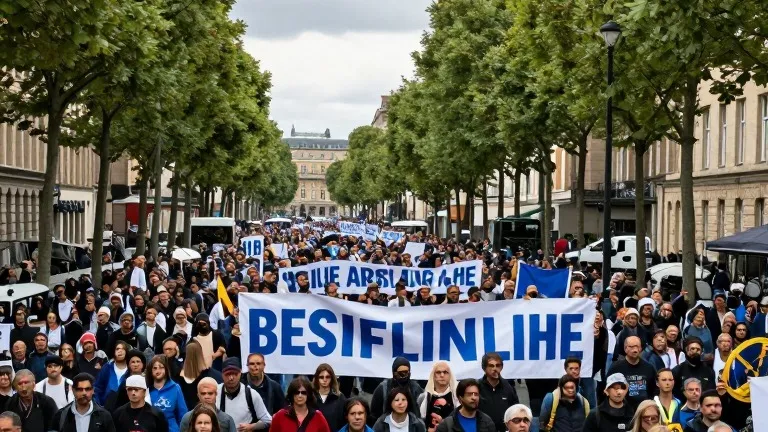
Protests are already being organized in response to the vote. A civic group has called for a demonstration on Sunday. Furthermore, journalists and other staff at the broadcasters have announced a strike for November 3. The coming weeks will test the government’s resolve against growing resistance from within the media sector and the public.
The overnight vote signals that the coalition is committed to this path. Despite the independence concerns, the legislative process has moved forward. The final details will be determined in the committee stage. For now, the 205 crown fee remains in place, but its days appear numbered under the current administration.
Source: Al Jazeera