New Academic Rules for AI: What Students Must Know Now
A Jerusalem professor outlines a new framework for using artificial intelligence in university courses, emphasizing human oversight and critical verification.
By Marta Price ·
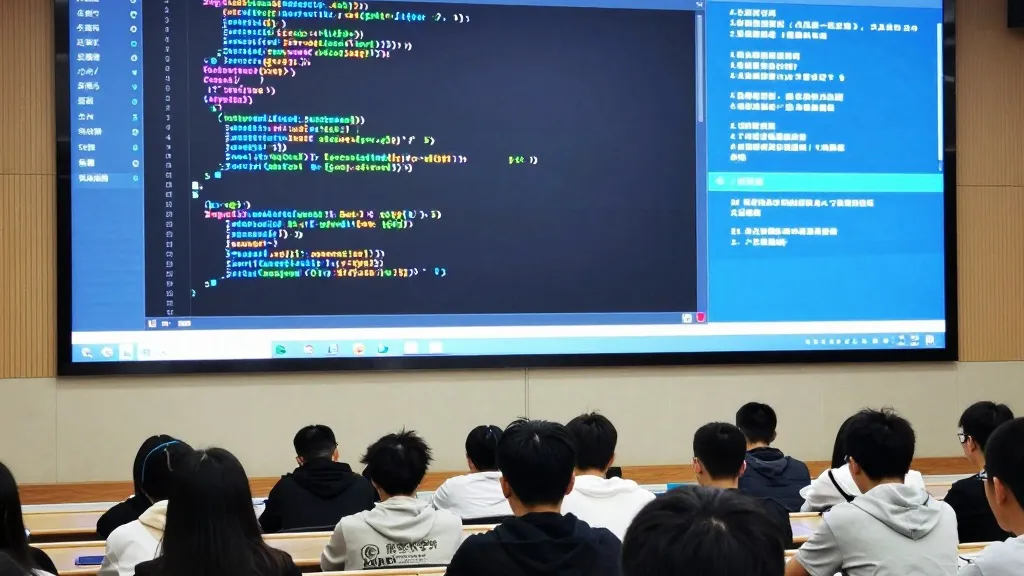
University students worldwide are facing a shift in how they must demonstrate their knowledge in the age of artificial intelligence. At the Hebrew University Business School in Jerusalem, a new teaching model is setting standards that could influence higher education globally. The core change is simple: AI can be used, but it cannot replace the student. This approach aims to solve real-world problems while ensuring that learners maintain critical thinking skills.
Prof. Claudia V. Goldman, an associate professor in the Data Science Department since July 2024, has established clear guidelines for her classes. She explicitly tells students when and why they are permitted to use AI tools. However, she requires them to credit the technology and explain exactly how it was utilized. Fully AI-generated answers are not accepted. Goldman notes that students are aware she can detect AI in their writing, which encourages a more transparent and active engagement with the material.
Instead of relying solely on automated outputs, Goldman encourages students to brainstorm with AI while remaining critical. Learners are tasked with checking whether the information provided is biased or if a cited source actually exists. This method forces students to evaluate the quality of the data rather than passively accepting it. The goal is to integrate AI as a tool for enhancement, not a substitute for intellectual effort.
Assessment methods have also evolved to reflect this new reality. Goldman evaluates students through a mix of classwork, presentations, and peer-organized activities. These in-person interactions allow her to assess understanding directly. The curriculum also includes discussions on human responsibility and values, focusing on the kind of professionals and individuals students aim to become in an increasingly automated world.
Goldman’s approach aligns with broader debates in the tech industry. She addressed the concept of 'Human Reserved' jobs, a suggestion made by Bill Gates to set aside certain roles for people. Goldman argues that the issue is not a simple binary of which professions remain human. Instead, it requires understanding the specific benefits AI brings to different contexts and identifying the critical skills needed to strengthen human roles.
The Business School supports this educational shift with specific courses, including AI for Social Good, Responsible AI, and When AI Meets Humans and Society. The university also offers a Free Listener Program that allows senior citizens to audit these classes as the fall semester begins. Goldman’s background informs this perspective, having held research posts at Bar-Ilan University, the University of Massachusetts Amherst, and the University of Haifa before moving to industry. She worked at Samsung Telecom Research and later spent 15 years as a research scientist at General Motors, where she focused on learning agents for vehicle user experiences.
Goldman, who holds 24 patents and has published over 50 academic papers, brings a unique perspective to the classroom. Born in Argentina and moved to Israel in 1984, she earned three degrees at the Hebrew University. Her personal journey, from attending a Jewish school in Buenos Aires to studying on the Givat Ram campus, underscores her commitment to blending diverse backgrounds with rigorous academic standards.
Source: The Jerusalem Post
More Business · World news · Rip-Off Report · Report a business · Got a Story?