Iranian mother seeks justice from exile after daughter's death at protest
Samira says Iranian security forces killed her 16-year-old daughter, then pressured her to give false accounts of the death before she fled the country.
By Pablo Montgomery ·
An Iranian mother whose teenage daughter was killed during January protests says she is seeking accountability from hiding abroad, despite threats and criminal charges. Speaking to BBC Panorama, Samira described witnessing her only child's shooting, searching for her body and fleeing Iran after pressure from the authorities.
Sevda, 16, died on 9 January during demonstrations on the outskirts of Tehran. The protests began the previous month over economic grievances and developed into demands to end the Islamic Republic. They preceded widespread US and Israeli air strikes that killed Iran's supreme leader, Ayatollah Ali Khamenei. Samira, who previously sold cosmetics, said she had not considered herself particularly political, but her daughter admired Mahsa Amini and Nika Shakarami, whose deaths were associated with earlier protest movements.
Samira said she and Sevda joined demonstrations following an appeal from Reza Pahlavi, the exiled son of Iran's last shah. She said a shoot-to-kill order was announced after large crowds gathered on 8 January, but she did not believe the threat would be carried out. Before leaving on 9 January, Sevda gave her earrings to her grandmother and shared her phone passcode with her mother.
During the protest, Sevda climbed onto a dustbin to lead a chant, Samira said. Her mother described a heavy presence of Basij and Islamic Revolutionary Guard Corps forces and said a sniper fired from a nearby rooftop, hitting Sevda in the heart. Samira took her to hospital, where she was told surgeons were operating. She then saw her daughter inside a body bag.
After Sevda's body was removed, Samira said she spent days searching before finding her at a large Tehran morgue beneath three other bodies. Iranian authorities acknowledge more than 3,000 deaths during the protests and say some of those killed belonged to the security forces. The human rights group Hrana estimates that more than 7,000 people died, most of them protesters.
Samira said officials required her to blame terrorists for Sevda's death before releasing the body for burial. Afterwards, she said, she was prevented from visiting the grave or arranging a tombstone. Shortly before the culturally significant 40th-day commemoration, intelligence officials allegedly offered her a house and other benefits if she publicly described Sevda as a Basij member killed by protesters.
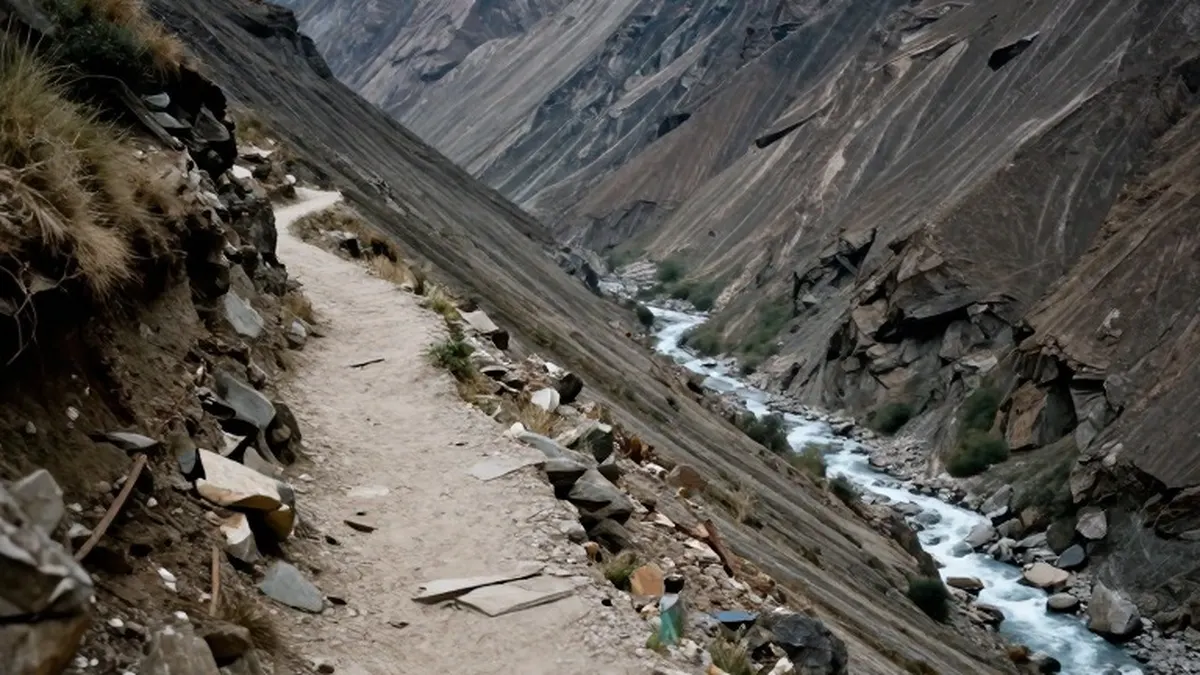
She refused and left Iran after the commemoration, crossing mountains and rivers with help from people smugglers. Samira said continued interviews with foreign media led to charges in absentia, including moharebeh, or waging war against God, which can carry the death penalty. She also said Revolutionary Guards raided a vigil marking what would have been Sevda's 17th birthday and arrested relatives and friends.
Samira now publishes names of security personnel and officials she believes were responsible for fatal shootings during the January demonstrations, hoping they will face trial. After one man she named was found dead, a regime supporter who presumed her responsible offered $5,000 for information on her whereabouts. Iranian state media subsequently reported nine arrests connected to that death.
The Iranian embassy in London told Panorama that foreign powers, including the US, had hijacked legitimate peaceful protests, encouraged violence and supplied weapons and equipment. Samira said she remained determined to pursue justice despite the risks, describing herself as a "one-woman army fighting the regime".
Source: BBC News