Iranian Military Threatens to Target US Navy Vessels as Trump Deliberates on Next Move
Tensions escalate as Tehran claims it will fire on American warships while Washington weighs a new major bombing campaign against Iran.
By Marta Price ·
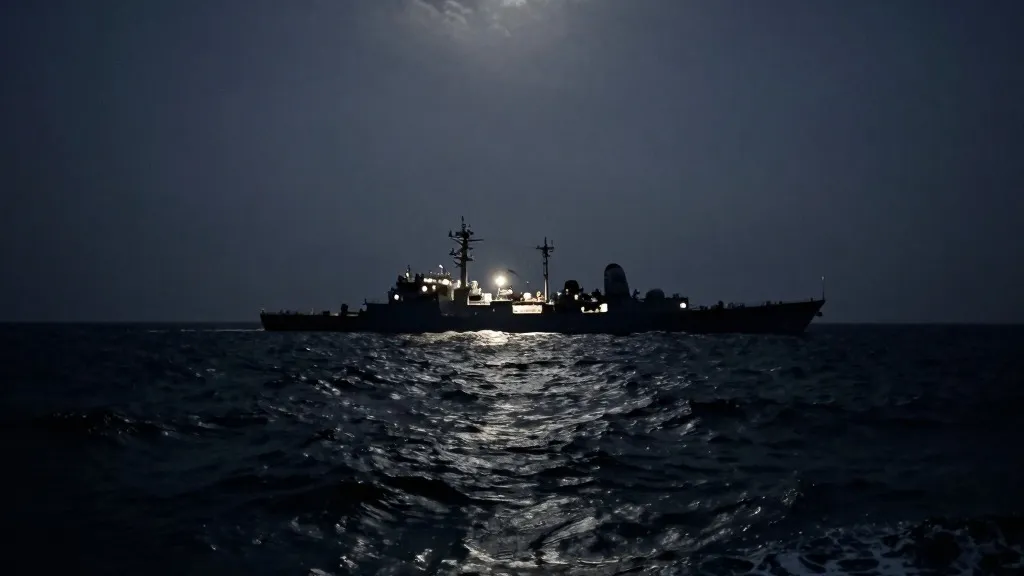
The chief of staff of Iran's armed forces has declared that the United States Navy is barred from re-entering Iranian territorial waters, signaling a significant hardening of Tehran's military stance. Ali Abdollahi stated on Saturday that Iran is prepared to fire on any US vessel in the region, a move that coincides with President Donald Trump's admission that Washington has not yet decided on its next strategic step in the ongoing conflict.
Speaking at a rally in Florida on Friday, Trump suggested that the US military might launch another operation dubbed Epic Fury. This name references the massive bombing campaign initiated at the start of the war. The President has been weighing two distinct paths: ending the fighting rapidly through large-scale strikes or continuing to squeeze Tehran via a naval blockade and economic sanctions.
Abdollahi’s statement, released via state media, mocked the US president for imagining his soldiers and military assets returning to the Persian Gulf. The Iranian official argued that American rhetoric is internally contradictory. He noted that while Washington claims Iran's military capabilities are largely destroyed, the US has refused to move its aircraft carriers and support ships closer to Iranian territory, implying a lingering caution that contradicts the narrative of total dominance.
The military chief also framed the current standoff as retaliation for the surprise attack on February 28, which sparked an eight-month war that destabilized the entire region. He stated that Iranian forces intend to pull the US and Israel into a quagmire, suggesting a strategy of attrition rather than a quick decisive victory for either side.
Economic pressures are mounting alongside the military threats. Shipping through the Strait of Hormuz continues to face attacks, driving Brent crude oil prices to approximately $117 per barrel, a peak not seen since April. The Islamic Revolutionary Guard Corps reported that seven tankers were attacked or hit mines during the night leading into Thursday, with two supertankers claimed to have struck mines on Friday. The IRGC indicated its doctrine is shifting toward a more offensive posture.
The conflict is spreading across multiple fronts. The Iran-allied Houthis in Yemen struck Riyadh on Saturday, following recent attacks on Dammam's international airport and the Shaybah oilfield. In response, Saudi forces have bombed Houthi-held areas in Marib and Taiz. Meanwhile, in southern Lebanon, reported Israeli air strikes targeted areas around Nabatieh, with artillery fire landing near Zawtar ash-Sharqiyah.
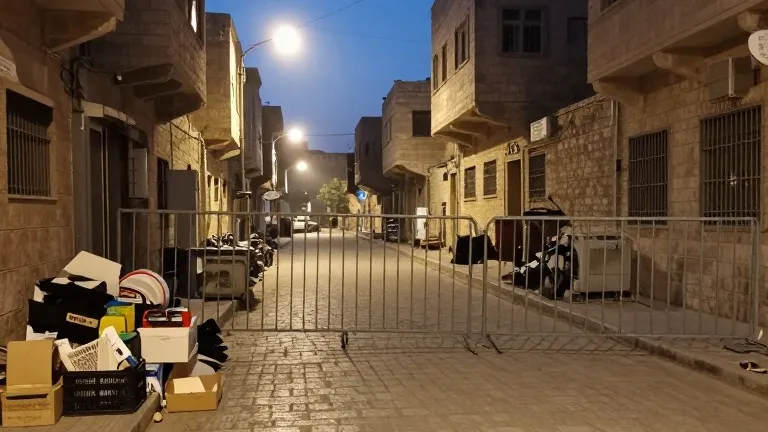
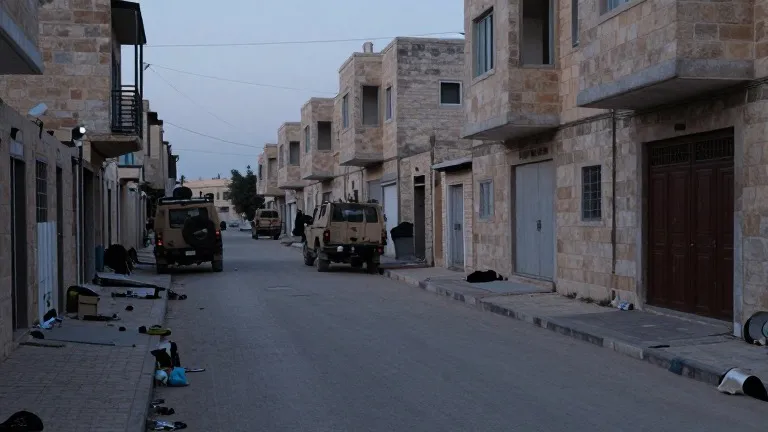
In the West Bank, Israeli Prime Minister Benjamin Netanyahu ordered a lockdown of the occupied territory following a Palestinian attack that killed two soldiers in Hebron. This development occurs just days before Netanyahu faces an election on October 27, adding a layer of domestic political pressure to the regional crisis.
Diplomatic efforts have stalled, with mediated talks between Tehran and Washington yielding no progress. On Friday, senior diplomats from Turkiye, Saudi Arabia, Pakistan, and Egypt met with counterparts from the UK, France, Germany, and Italy in Istanbul. Notably, the US and Iran were not present. Turkiye's Foreign Minister Hakan Fidan warned that a new attack on Iran would widen the war, while German Foreign Minister Johann Wadephul blamed Iran and the Houthis for instability. The regional ministers, however, pointed to Israeli occupation as the primary source of the unrest.
Iranian state-linked media claim Tehran has activated a dead hand doctrine, which would allow attacks to continue from all 31 provinces if senior leaders are assassinated. The IRGC has also threatened seabed internet and communication cables. US intelligence reportedly indicates that Iran has substantially increased efforts to strike American officials in the Middle East and elsewhere. Analysts suggest that the window for negotiation is closing, with some arguing that Iran will no longer negotiate under bombardment.
The situation remains fluid as the US decides between a final blow and a prolonged siege. The diplomatic gap between the European and regional powers and the two main belligerents suggests that a quick resolution is unlikely. With oil prices at multi-month highs and multiple fronts active, the economic and military stakes for a global audience continue to rise.
Source: Al Jazeera