168 Million Rials: The New Price of a Three-Person Food Basket in Tehran
A new survey reveals how soaring inflation and sanctions have forced Iranian households to ration protein and abandon savings, with the government subsidy covering less than one-fifth of costs.
By Marta Price ·
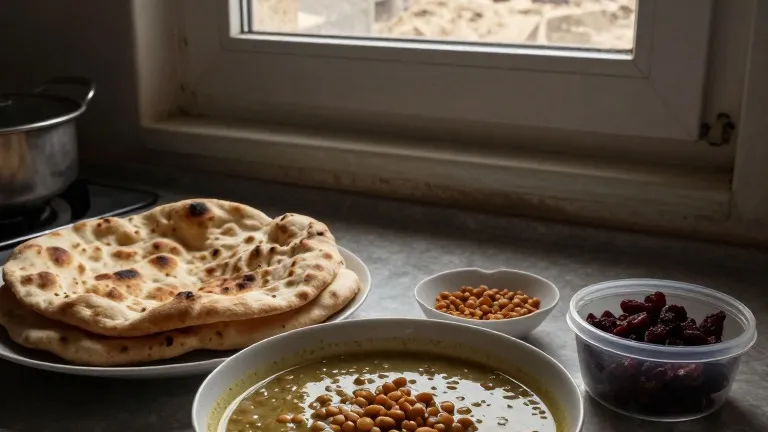
Households in Tehran are spending 168 million rials, or roughly $61.70, to feed a family of three, a figure that has outpaced income growth and forced families to cut essential costs. This price tag for a basket of 11 essential food items reflects a sharp decline in purchasing power as the Iranian rial continues its slide against major currencies. The cost has risen to a level where the state food voucher, valued at 10 million rials, covers less than 18 percent of the per-person expense, a drop from about 30 percent in December 2025.
The financial squeeze follows a series of shocks, including a war between the United States, Israel, and Iran that began on February 28 and damaged infrastructure. A US naval blockade of Iranian ports has reduced oil exports and imports, while Iranian attacks in the Strait of Hormuz have hindered shipping routes. In August, the US Treasury launched a sanctions campaign dubbed "Economic D-Day" to tighten financial isolation, adding to the pressure from years of existing restrictions.
Central bank Governor Abdolnaser Hemmati addressed the situation on October 23, acknowledging the "heavy burden" on citizens. While he stated that efforts to isolate the Iranian economy failed to meet their primary goal, the data indicates that domestic consumption patterns have shifted dramatically in response to the "heavy burden" he described. Annual inflation hit 89.9 percent in September, with the average monthly wage estimated at only $100.
A field survey by Radio Farda in central Tehran shows families are restructuring their diets to cope. The cost of preparing chicken and barberry, a common meal, is nearly double what it was a year ago. A serving of ghormeh sabzi, the national herb stew, with rice now costs 23 million rials, while potato patties cost about 4 million rials. Many families are saving meat and chicken for children, while adults rely on legumes and substitutes.
The impact extends beyond the middle class to those on fixed incomes. A retired woman living on a monthly pension of 180 million rials has reduced her intake of meat and other major proteins since the Iranian new year in March. She worries about her health but notes she is fortunate to not pay rent. Her situation mirrors that of a newly married couple who redirected their wedding fund to a housing deposit and now work two shifts to repay a loan.
Even higher earners are adjusting their lifestyles. A middle-aged man in western Tehran, whose household earns 1 billion rials, well above the Tehran average of 600 million rials, stated he has no savings for the future. He has eliminated travel, dining out, and saving from his routine. A 28-year-old woman earning 400 million rials a month said she and her friends now split single dishes at cafes to afford social outings, a practice that has replaced their previous weekly dining habits.
These changes illustrate a broader shift in consumer behavior across income levels. The data suggests that the combination of high inflation and external economic pressure has made discretionary spending a rarity. As the cost of basic food items climbs, households are prioritizing immediate nutritional needs over long-term financial security, leaving little room for error in their monthly budgets.
Source: RFE/RL
More Business · World news · Rip-Off Report · Report a business · Got a Story?