Asia-Pacific watches US midterms with limited hopes for policy shifts
Analysts expect little change to the Iran war or US tariffs after Tuesday’s elections, although tighter restrictions on Chinese technology could advance under either party.
By Marta Price ·
Governments and businesses across the Asia-Pacific are following Tuesday’s US midterm elections as they struggle with energy shortages and trade uncertainty. Democrats are poised to capture the House of Representatives and possibly the Senate, but analysts say a change in congressional control would probably do little to alter President Donald Trump’s approach to the Iran war or tariffs.
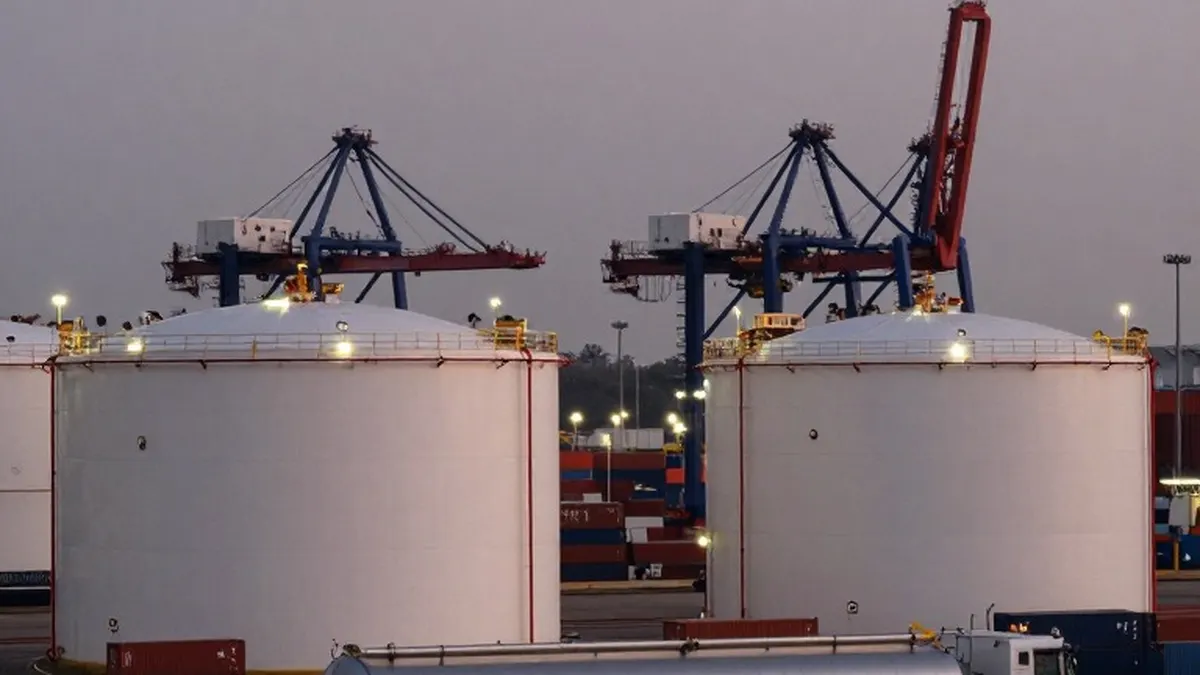
Outside the Middle East, the Asia-Pacific has suffered the greatest impact from the war, according to the source report. Before fighting began in January, the region received most of the Gulf oil and gas shipped through the Strait of Hormuz. Iran’s closure of the passage in response to US and Israeli strikes disrupted those supplies. The Philippines, which gets more than 90 percent of its crude oil imports from the Gulf, has been under a national energy emergency since March.
Higher fuel prices have depleted foreign exchange reserves in Cambodia, Laos, Myanmar and East Timor, according to Singapore’s ISEAS-Yusof Ishak Institute. Indonesia, Malaysia, Thailand and Vietnam have also committed substantial sums to fuel subsidies. Despite strong regional opposition to the war, Steven Okun, chief executive of Singapore-based consultancy APAC Advisors, told Al Jazeera that Democratic control would be more likely to produce investigations and oversight hearings than an end to hostilities.
Congress has constitutional authority to declare war, but Trump has described the Iran attacks as self-defence and disregarded congressional resolutions calling for US forces to withdraw from hostilities. He could veto legislation limiting military operations or their funding. Democrats are almost certain to lack the two-thirds majority in both chambers needed to override such a veto.
Trade policy presents similar obstacles. Trump imposed tariffs ranging from 10 percent to 50 percent on about 90 countries last year, with Cambodia, Laos, Vietnam and Myanmar facing particularly high rates. After the Supreme Court struck those duties down in February, his administration pursued other measures. In July, it imposed tariffs of 10 percent and 12.5 percent on goods from 60 trading partners, accusing them of failing to prevent imports produced through forced labour.
Stephen Olson, a visiting fellow at the ISEAS-Yusof Ishak Institute, sees a limited possibility of relief. In a recent essay, he argued that a strong electoral rejection of Trump’s politics could encourage Republicans who favour free trade to challenge his approach. Democratic control could also bring pressure for tariff exceptions benefiting Southeast Asian exporters, he wrote, although a broader policy shift would have to await the 2028 presidential election.
Security is another concern. Joshua Kurlantzick, a senior fellow at the Council on Foreign Relations, told Al Jazeera that regional governments want more dependable US security guarantees and a clearer American presence in the South China Sea and Taiwan Strait. Businesses will watch whether Republican losses make party lawmakers more willing to work with Democrats to challenge Trump on tariffs, arms sales and economic unpredictability.
Okun expects tougher measures targeting Chinese technology regardless of the election outcome. Proposed legislation would extend export controls to remote access to US technology, require companies to verify that advanced artificial intelligence chips remain in authorised locations, and press allies to align restrictions on chipmaking equipment with Washington. He said both parties support those measures.
Meanwhile, Trump and Chinese President Xi Jinping have met twice this year as relations improved following last year’s trade war. Trump has delayed a $14bn Taiwan arms package to preserve the fragile trade truce. James Guild, an assistant professor at the Indonesian International Islamic University, warned that constraints imposed by a Democratic Congress could push Trump towards a stronger foreign policy focus, with continued unpredictability.
Source: Al Jazeera