US strikes Iran’s Qeshm Island as negotiations continue over war and Hormuz
American officials described the strikes as defensive while Washington and Tehran pursued indirect talks amid disagreements over ending the conflict and reopening the strait.
By Pablo Montgomery ·
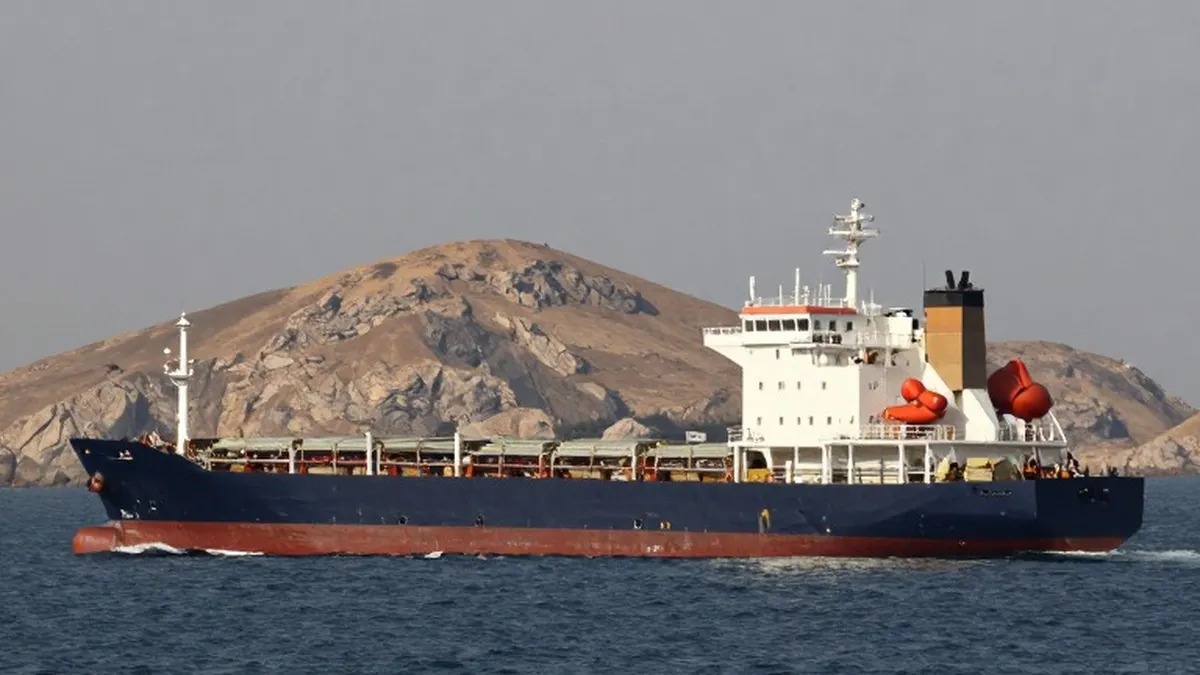
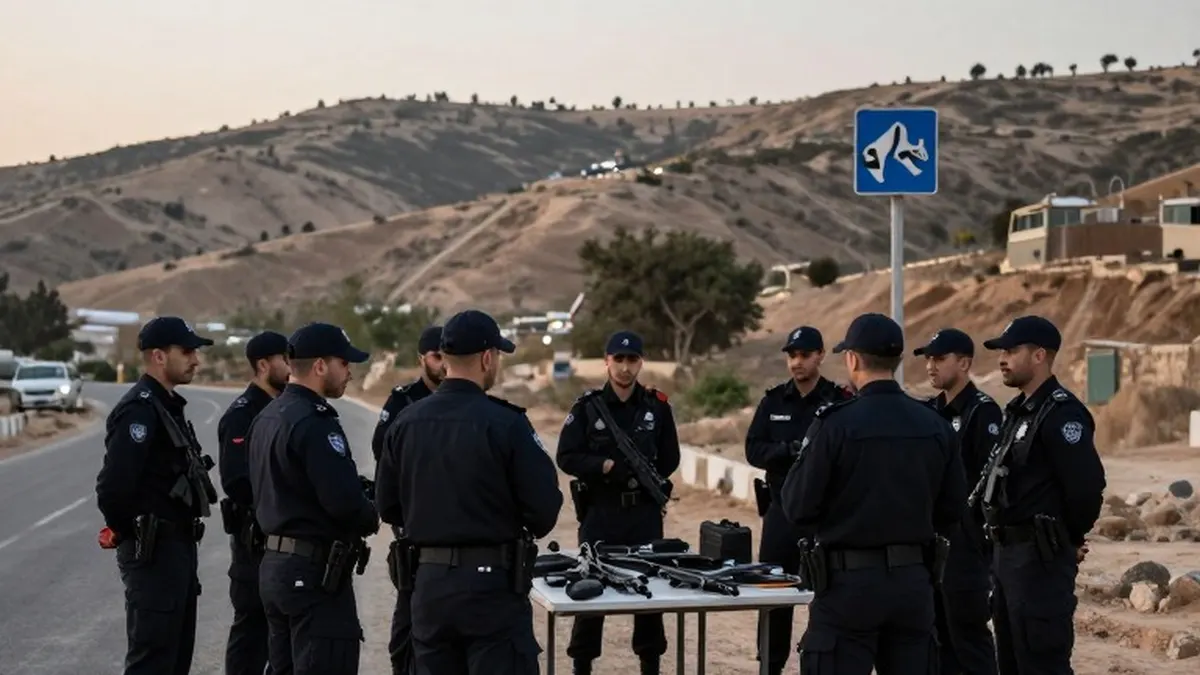
American forces struck Iran’s Qeshm Island in the Strait of Hormuz late Monday, according to a US official, as diplomatic efforts continued to end the eight-month conflict. The operation came ahead of Tuesday’s US midterm elections, which President Donald Trump had suggested could be followed by renewed attacks on Iran.
The official, who spoke anonymously, described the strikes as apparently limited and said they did not signal a return to major combat operations. A second official said the action responded to Iranian use of surface-to-air missiles against American assets. Fox News, citing officials, reported that Iran had fired at a US aircraft. The Wall Street Journal first reported the strikes, while Iranian state news agency IRNA reported explosions on Qeshm earlier Monday.
The Pentagon directed questions to US Central Command, which did not respond to requests for comment. Separately, the United Kingdom Maritime Trade Operations center said Monday that an unidentified projectile had punched a hole in a ship passing through the strait. Its crew was safe. Iran has claimed attacks on ships it says used unauthorized routes and attributed other incidents to mines. The US military disputes those mine claims, saying American forces have cleared all internationally recognized routes.
Trump had recently raised the prospect of further attacks after the elections, with reports saying Israeli Prime Minister Benjamin Netanyahu was pressing for renewed large-scale strikes. On Monday, however, Trump wrote on Truth Social that Iran wanted a settlement quickly. Iranian Foreign Minister Abbas Araghchi confirmed that indirect discussions were underway and described intensive consultations over the situation.
Mohammad Bagher Ghalibaf, Tehran’s chief negotiator in talks with Washington, said Tuesday that Iran was prepared for war but had delivered a rational response. A senior Iranian official told Reuters that substantial differences remained. Qatari mediators arrived in Tehran on Monday night to discuss a version of a draft agreement that had been under negotiation for eight days.
The Iranian official said reopening Hormuz depended on Washington meeting Tehran’s conditions, with nuclear negotiations possible only afterward. Another senior Iranian official said the strait could reopen within two days if the US accepted Iran’s long-standing demands. A September proposal called for ending the war on all fronts, releasing frozen Iranian assets, removing oil sanctions and ending the counter-blockade of Iranian ports.
Oil prices fell more than seven percent Monday amid hopes for an agreement. Vice President JD Vance said he and Trump were optimistic, while acknowledging that further progress was needed. Axios reported last week that Vance had written to Iranian national security chief Mohsen Rezaei about possible talks, the highest-level initiative in months.
Meanwhile, October recorded more attacks on commercial shipping in Hormuz than any month since March, as Iran sought to increase economic pressure on Washington to lift its blockade. At the Manama Dialogue security summit in Bahrain on Monday, United Arab Emirates presidential adviser Anwar Gargash warned that the two sides remained far apart. Egyptian Foreign Minister Badr Abdelatty warned that another escalation would bring greater danger and destruction.
China urged a return to diplomacy, and Iran’s security chief discussed the conflict with Russian President Vladimir Putin. Chinese Foreign Ministry spokesperson Mao Ning said Monday that Beijing would dispatch a special envoy to Iran, Oman and Saudi Arabia in early to mid-November.
Source: The Times of Israel