Gulf Sea Attacks Reach Record High
A surge in maritime incidents marks the deadliest month for commercial shipping in the Strait of Hormuz, escalating regional tensions.
By Pablo Montgomery ·
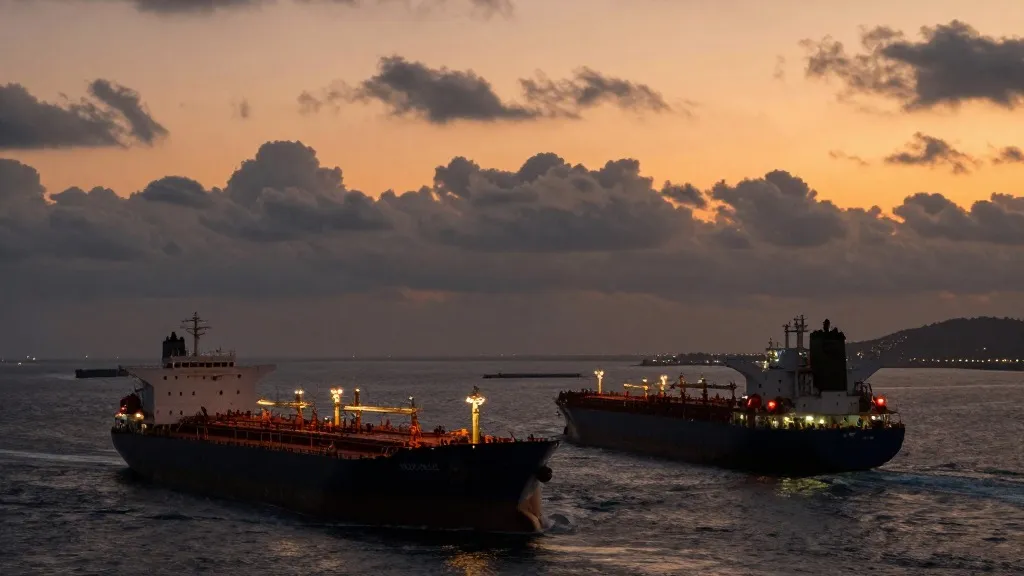
The month of October 2026 has emerged as the most volatile period on record for commercial maritime traffic in the Strait of Hormuz and surrounding waters. New data from a Washington-based research institute, which has monitored global maritime security since 2017, confirms that the volume of attacks on vessels has reached an all-time high. This spike in activity comes at a critical moment when fears of a broader conflict involving Iran are intensifying across the Middle East.
The danger is not limited to the sea. On October 24, the air and sea lanes became focal points of heightened security. The Saudi-led coalition announced that its forces had successfully intercepted and neutralized a ballistic missile and a drone targeting Saudi territory. In response, the Saudi Directorate of Civil Defence issued urgent safety warnings to residents in the capital, Riyadh, as well as in Najran and Wadi al-Dawasir. Officials later confirmed that the immediate threat had subsided in those specific areas.
Simultaneously, significant incidents occurred in the waterways. The navy of Iran's Revolutionary Guard Corps reported that two supertankers collided with naval mines. These vessels were attempting to navigate an unauthorized route south of the Strait of Hormuz. Additionally, UK Maritime Trade Operations logged an incident where a tanker sustained damage from an unidentified projectile. This impact occurred approximately seven nautical miles from the Omani coast, further complicating the navigational safety of the region.
The backdrop for these events includes a long history of friction in the area. The Strait of Hormuz has long been a strategic chokepoint for global energy supplies. In recent years, the frequency of disruptions has increased, often linked to broader geopolitical rivalries. The current situation sees these historical tensions amplified by active military posturing and diplomatic exchanges between major powers, creating a fragile stability that is constantly being tested.
Rhetoric between the key actors has become increasingly sharp. US President Donald Trump, speaking at a gathering in Florida, indicated that Washington might initiate another military operation against Iran. In a direct response, Major General Abdollahi, the chief of staff for Iran's armed forces, stated that under no circumstances would they permit what he described as rusting US warships to re-enter the Persian Gulf. Mohammed Mokhber, an adviser to Supreme Leader Mojtaba Khamenei, characterized the war threats and psychological warfare from Trump and Israeli Prime Minister Benjamin Netanyahu as signs of desperation rather than strength.
Diplomatic movements are also underway as the crisis deepens. Iranian President Masoud Pezeshkian is scheduled to travel to Moscow next week. He is expected to hold meetings with Russian President Vladimir Putin and participate in the Gas Exporting Countries Forum summit on October 27. In London, Foreign Secretary Ed Miliband emphasized that Britain is intensifying its search for diplomatic resolutions. He noted that the ongoing conflict is contributing to rising energy costs for British households.
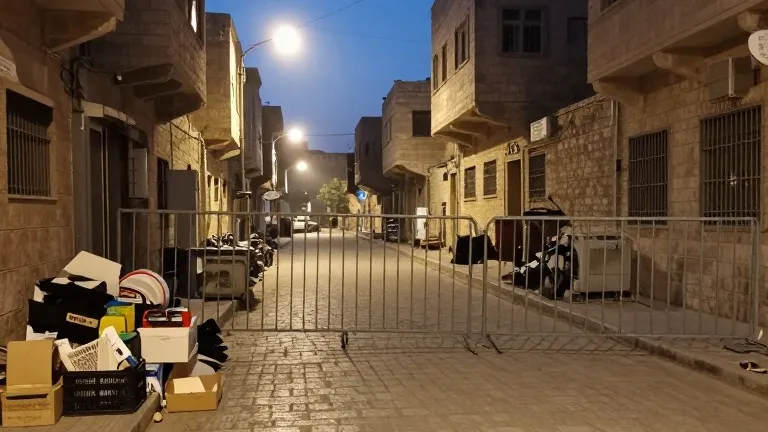
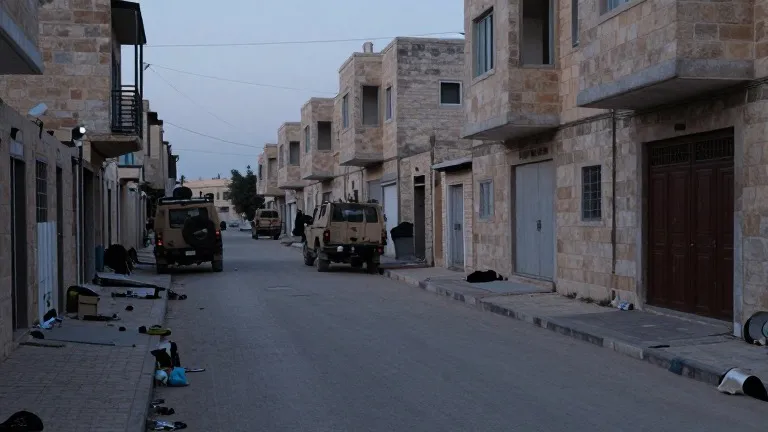
The impact of the regional tension is also visible on the ground in other parts of the Middle East. In the occupied West Bank, Israeli forces compelled Palestinian residents in Hebron to leave their homes on foot. Several structures near the site where two Israeli soldiers were killed were demolished. Troops also conducted raids across the territory, resulting in the detention of dozens of individuals. In Syria, public rallies were held on Friday to protest repeated Israeli incursions into the southern part of the country. These demonstrations followed an earlier raid that resulted in the death of a man with a disability.
Other regional developments continue to shape the landscape. Turkish Foreign Minister Hakan Fidan suggested that the time has arrived to reunify the rival eastern and western administrations in Libya. He hinted that an official announcement on this matter could be made soon. In Israel, Prime Minister Netanyahu warned that the nation should prepare for the possibility of international banking sanctions. He proposed that cryptocurrency could serve as a tool to circumvent such financial measures. These remarks were made just four days before the Knesset election.
As the situation evolves, the focus remains on how these maritime and terrestrial events will influence the next phase of the conflict. The record-breaking number of incidents in October signals a significant escalation. With diplomatic visits planned and military rhetoric intensifying, the coming weeks are expected to be crucial in determining whether the region moves toward de-escalation or further confrontation.
Source: Middle East Eye