European supermarket cyberattacks expose risks to internet-connected refrigeration
Attacks that raised fridge and freezer temperatures across several European countries have drawn attention to security weaknesses in connected industrial equipment.
By Marta Price ·
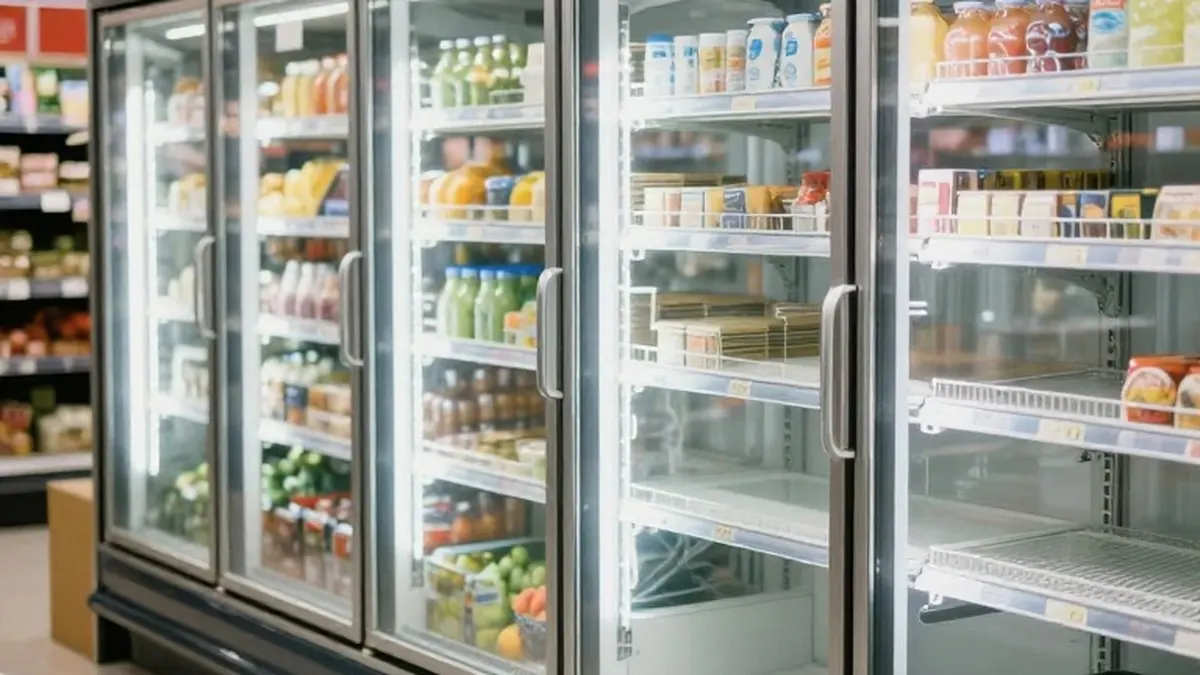
Supermarkets in seven European countries experienced sharp increases in refrigerator and freezer temperatures following cyberattacks on Monday, November 2, forcing retailers to discard spoiled food. The incidents affected Belgium, Estonia, Finland, Ireland, Luxembourg, the Netherlands and Sweden, following an October attack that hit hundreds of supermarkets in France.
The disruption illustrates how access to digital networks can allow attackers to interfere with physical equipment. Refrigeration systems and other industrial machinery were once operated mostly offline, but internet connections now allow operators to monitor and control them remotely, cybersecurity specialists, including Almond consultancy secretary-general Antoine Hautin, told AFP.
In France, the October attack targeted a refrigeration regulation system manufactured by Danish company Danfoss and used by numerous shops. Kevin Tellier, a cybersecurity engineer at Synacktiv, explained that operators generally use a password-protected web interface to adjust fridge temperatures. Although such systems should run on closed networks without public internet access, some had become reachable by people with basic technical knowledge, he said.
The danger extends beyond food retail. Olivier Daloy, a cybersecurity expert at Zscaler, said inadequately protected equipment connected to the internet could face similar interference in factories, car manufacturing, electricity infrastructure and transport. Another cyber expert, speaking anonymously, said industrial infrastructure is especially vulnerable because it connects IT systems to physical equipment that is often outdated. Breaking into the IT component can enable hackers to take control and cause physical disruption.
Daloy identified two principal ways attackers can gain access: exploiting a technical flaw or using compromised login credentials. As an earlier example of cyberattacks affecting industrial machinery, he cited the Stuxnet virus, which caused a series of failures in centrifuges used for uranium enrichment in Iran in 2010.
Vincent Strubel, head of France's National Cybersecurity Agency, attributed the October supermarket breach to basic security failures. He pointed in particular to refrigeration equipment being exposed directly to the internet without specific protections and secured with weak passwords.
Identifying those responsible for the French attack remains difficult. Daloy described attribution as extremely complicated, while Tellier said the attack's limited sophistication offered little indication of the perpetrators' resources. A security source told AFP that the investigation would continue well beyond the incident itself.
A French national security document published in 2025 had already designated attacks of this kind as a priority threat. It warned that such incidents demonstrate the vulnerability of food supply chains to cyberattacks and can have consequences reaching far beyond the initial breach.
Source: France 24