Palestinian political deadlock and West Bank sieges mark turbulent week
Record Arab electoral gains in Israel face coalition hurdles while West Bank closures and Gaza strikes continue to claim lives.
By Kofi Greco ·
The electoral surge for Palestinian citizens of Israel has been overshadowed by political friction in the weeks following the vote. Arab-led parties, including Ra’am and the Joint List, secured a record 19 seats, driven by a 64 percent increase in turnout to nearly 840,000 voters. Although these results could provide the opposition bloc led by Gadi Eisenkot with 67 seats, coalition negotiations have been complicated by rhetoric questioning the legitimacy of the Palestinian vote.
Prime Minister Benjamin Netanyahu’s Likud party initially claimed the election was stolen, citing unproven allegations of Qatari financing. Qatar denied these claims, and police sources indicated there was no evidence of widespread fraud. By Sunday, election committee chairman Noam Sohlberg declared the process was conducted properly. Despite this, the delegitimizing narrative has influenced negotiations, with Yisrael Beytenu leader Avigdor Lieberman ruling out Palestinian partners.
Eisenkot has proposed four conditions for coalition partners that may be difficult for Palestinian parties to accept. These include recognizing Israel as a Jewish, democratic, liberal, and egalitarian state, as well as implementing mandatory national service for all citizens. Nevertheless, Palestinian politicians have expressed willingness to support an Eisenkot government from outside the coalition if it leads to the departure of Netanyahu and the far right. Thousands of supporters have rallied in Tel Aviv to demand a coalition that includes Palestinian representatives.
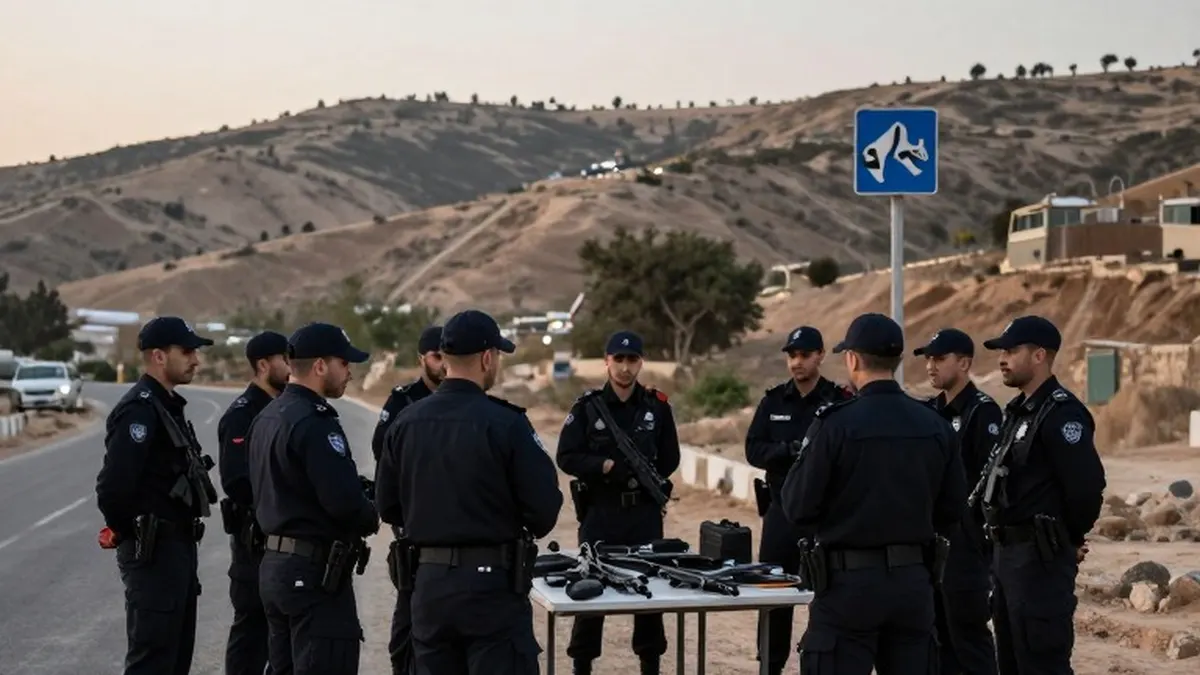
While Israeli politics dominated the news cycle, Palestinians in the occupied West Bank endured significant disruptions, particularly in Hebron. By late October, ten entrances to the city were sealed, displacing approximately 5,000 people. The military operation resulted in at least 120 arrests and the demolition of 13 businesses. Officials accused the government of using the operation to secure settler votes, though no Israeli official has explicitly confirmed this motive.
On November 2, Governor Khaled Dudin announced that the army had withdrawn from Hebron, allowing displaced families to return. Reports suggest the army’s chief of staff had recommended an earlier withdrawal, but Netanyahu refused. The economic impact remains severe, with daily losses estimated between 10 million and 12 million shekels, affecting a city that produces about 40 percent of Palestinian industrial output.
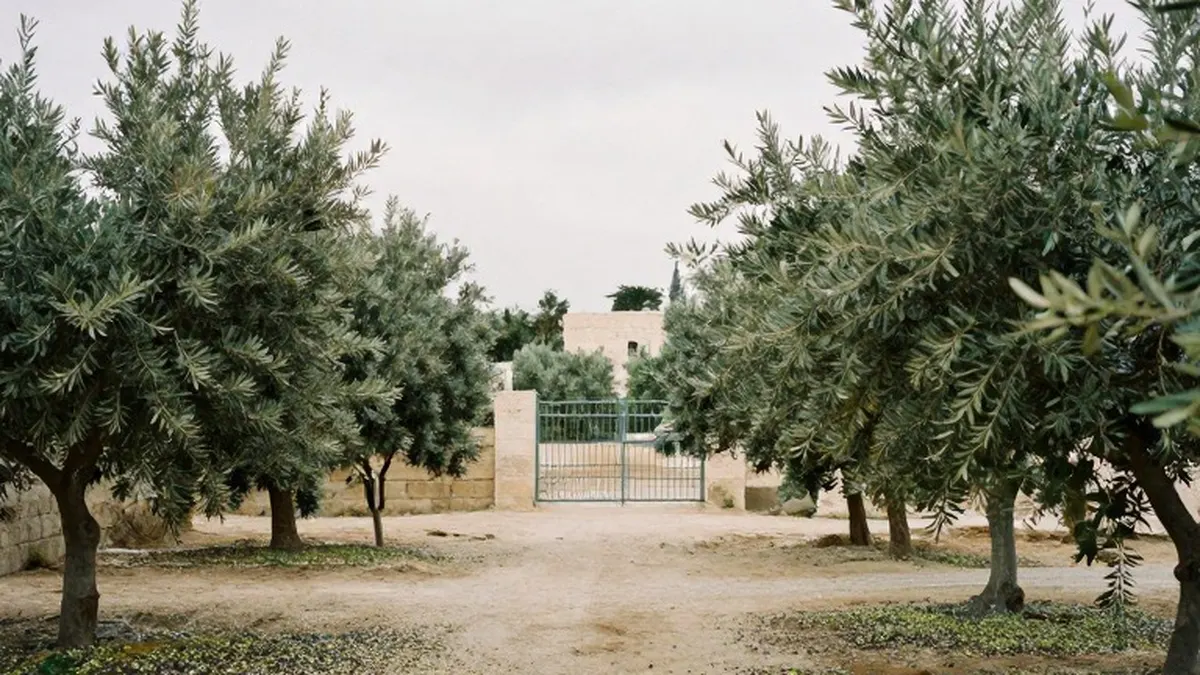
Closures also affected the Masafer Yatta region, where at least 12 villages were cut off. In Wadi Rakhim, Yousef Shanaran described a four-week siege in which settlers poisoned the family’s well. He noted that the family had no access to water, food, or supplies. Such sieges have become common as settlers and Israeli forces disrupt the olive harvest across the West Bank.
The United Nations Office for the Coordination of Humanitarian Affairs documented 397 settler attacks in the first 26 days of October, a monthly high since tracking began in 2006. A recurring pattern involves settlers attacking pickers, followed by the army declaring a closed military zone and ordering farmers out. Activists have also faced detentions, including the revocation of travel authorization for Brad Lander after his detention during an olive harvest.
In Gaza, daily attacks continued as the UN human rights office warned that Palestinians are being pushed into a shrinking area. The so-called Yellow Line is moving westward, creating what officials call a kill zone. By November 2, the Ministry of Health reported 1,593 deaths since the previous year’s ceasefire. Sunday was the deadliest day of the week, with at least eight fatalities reported.
Among those killed were government and police personnel, including officials from the Ministry of Economy and Agriculture. Children were also victims of the violence, with several young boys and girls killed in strikes across Khan Younis and Gaza City. Israeli authorities claimed many of the deceased were Hamas fighters, though no evidence was provided for these assertions.
Humanitarian conditions in Gaza remain dire as winter approaches. Two infant girls died in a tent fire in al-Mawasi, and the Social Development Ministry stated that 200,000 tents are needed, yet only dozens have arrived due to entry restrictions. The Red Crescent warned that the health system is at risk of collapse, with 26 hospitals out of service and fuel shortages threatening the remaining facilities.
Source: Al Jazeera