El-Sayed pressed on Israel as Michigan Senate race faces Democratic split
Abdul El-Sayed linked his position on Israel's right to exist to mutual agreement between Israelis and Palestinians as Democratic primary rival Haley Stevens endorsed Republican Mike Rogers.
By Marta Price ·
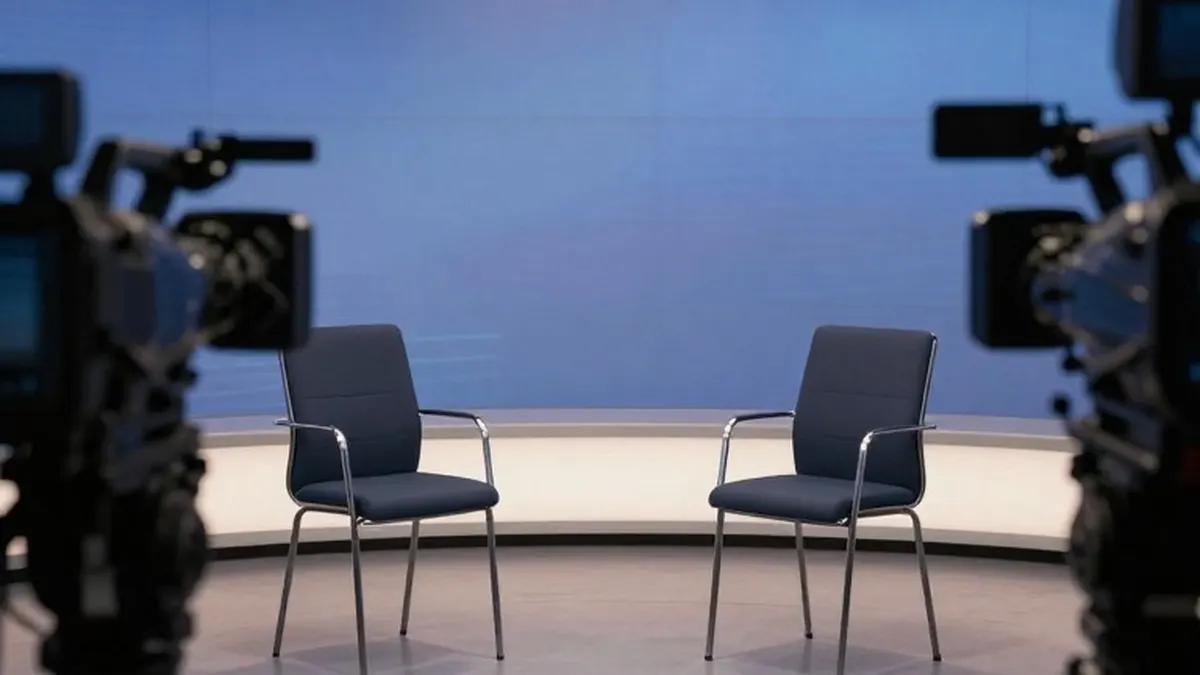
Michigan Democratic Senate candidate Abdul El-Sayed faced repeated questions about Israel's right to exist in a 60 Minutes interview ahead of Tuesday's midterm elections, as a prominent Democrat broke ranks to support his Republican opponent, Mike Rogers. The candidates are competing to succeed retiring Democratic Sen. Gary Peters in a race that could help determine control of the Senate.
Journalist Ross Douthat questioned El-Sayed about his criticism of American policy toward Israel. El-Sayed argued that Washington's longstanding endorsement of a two-state solution conflicted with its military assistance to parties he accused of obstructing Palestinian statehood. He also alleged that Israel was committing genocide in Gaza, an accusation rejected by Israel and disputed by Rogers.
Rogers has backed Israel's right to defend itself and to exist as a Jewish state, while accusing El-Sayed of refusing to recognize its right to exist. When Douthat put the question directly to El-Sayed, the Democrat objected that he was repeatedly asked about Israel but not about Palestine. He answered affirmatively when Douthat then asked whether Palestine had a right to exist.
Asked again about Israel, El-Sayed began with a qualified affirmative answer before Douthat interrupted to seek clarification. El-Sayed explained that his starting point was equal rights to peace, dignity and self-determination for Palestinians and Jewish Israelis. He said he would support two states if both peoples agreed on equal terms, or a shared state if that was their choice. His position therefore left open alternatives to the traditional American commitment to two separate states.
The exchange followed an earlier CNN interview in which El-Sayed responded to the same question by saying Israel already existed and rejecting what he called “gotcha” questioning. On 60 Minutes, he also addressed concerns among Michigan's Jewish voters, saying that disagreements over Israel did not erase agreement on other issues. He promised to stand with American Jews in protecting their rights and security.
The interview came amid a widening party dispute. On Sunday evening, Democratic Rep. Haley Stevens, who lost the Senate primary to El-Sayed, appeared with Rogers at a Detroit church and endorsed him. She had previously planned to support the Democratic nominee. Senate Minority Leader Chuck Schumer condemned her decision as a disgraceful betrayal.
Stevens's endorsement followed an argument over an advertisement from an independent political organization supporting El-Sayed. The advertisement connected American living costs with US assistance to Israel. Stevens described it as antisemitic. El-Sayed said his campaign had no role in producing the advertisement and expressed disapproval of its content.
Polling cited in the report placed El-Sayed ahead, although every survey preceded Stevens's endorsement. The RealClearPolling average showed him at 49.3 percent against Rogers's 45.4 percent. CNN recorded a 49 percent to 42 percent advantage, while a YouGov survey conducted from October 26 to 29 put El-Sayed at 51 percent and Rogers at 47 percent. The figures could not establish how Stevens's announcement affected voters.
President Donald Trump, who supports Rogers, also accused El-Sayed during the campaign of links to the Muslim Brotherhood. El-Sayed distanced himself from the organization and argued that Republican attacks also targeted his Muslim identity. In Michigan, which has large Arab-American and Jewish communities, Israel, the Gaza war and American military assistance have become central campaign issues as Tuesday's vote approaches.
Source: The Jerusalem Post