Ocalan moved within island prison as Kurdish politicians urge peace talks to advance
Pro-Kurdish legislators confirmed Abdullah Ocalan’s transfer to a new part of Imrali prison while calling for progress in Turkiye’s stalled peace process.
By Pablo Montgomery ·
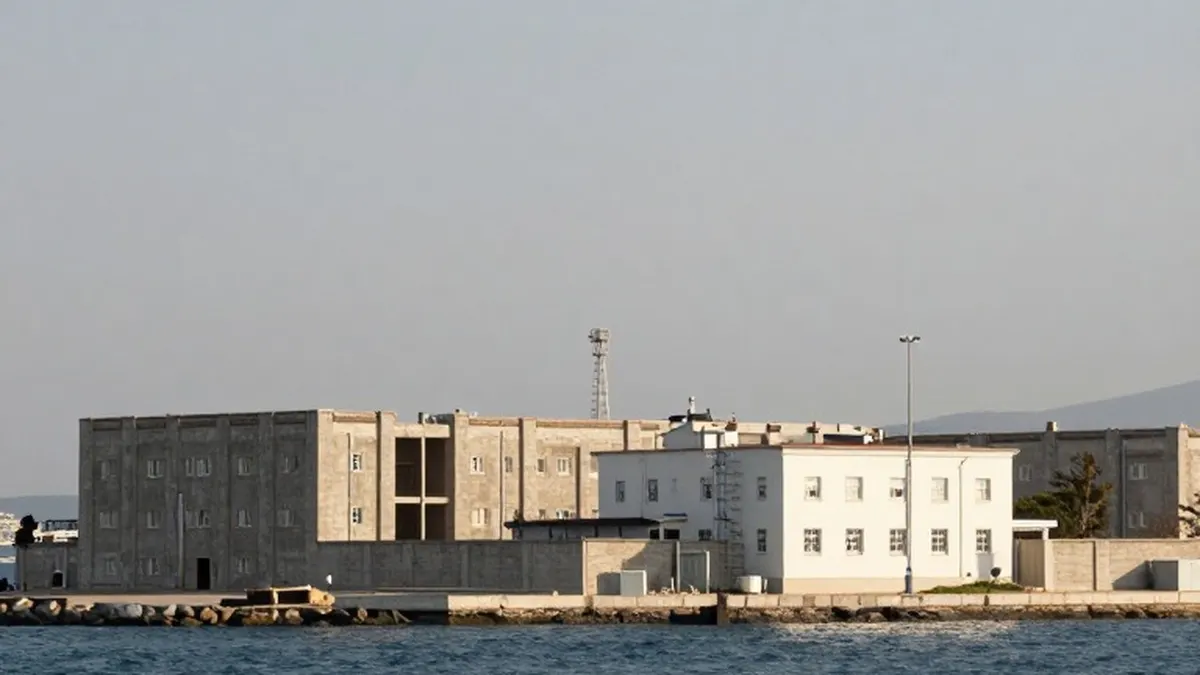
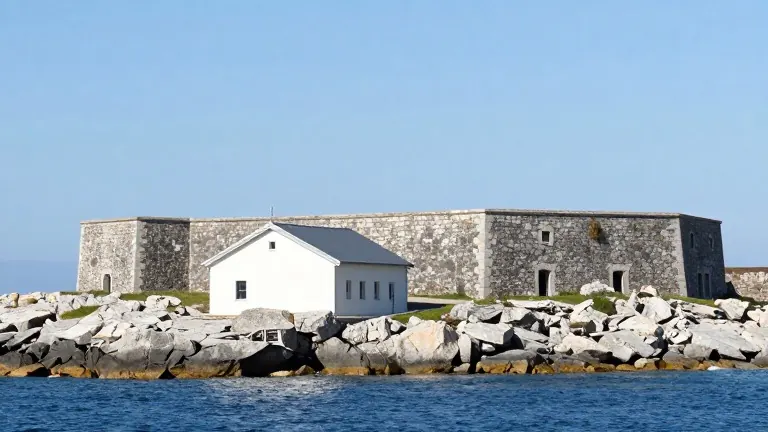
Abdullah Ocalan, the imprisoned founder of the Kurdistan Workers’ Party (PKK), has been transferred to a newly built part of the Turkish island prison where he has spent 27 years, according to pro-Kurdish legislators. The announcement came alongside calls for Ankara to accelerate a peace process that they said had stalled.
Mithat Sancar, who belongs to the Peoples’ Equality and Democracy Party (DEM) delegation that regularly meets Ocalan, confirmed the transfer during a Saturday interview with Medya Haber TV, a Kurdish television channel. Sancar said the peace process had been on hold for two months and argued that the move made faster progress necessary. “The process cannot proceed with unilateral expectations and demands,” he said.
Another DEM politician, Pervin Buldan, said on Sunday that Ocalan had informed them of the transfer himself. She cautioned against treating the change of accommodation as a change in his status. According to the AFP news agency, Buldan stressed that the new facility remained within the prison and that moving there alone did not determine Ocalan’s status.
Kurdistan24, a broadcaster based in Erbil, described the accommodation as a house newly constructed for Ocalan on Imrali island. The broadcaster reported that the transfer was viewed as preparation for a more active role for him in the peace process. Improving the conditions of his imprisonment has been a central Kurdish demand.
Ocalan and others established the PKK in 1978. The group originally sought an independent Kurdish state, but later turned its demands towards autonomy and expanded rights for Kurds in Turkiye. Kurds account for an estimated 15 to 20 percent of the country’s population.
The PKK began its armed campaign against the Turkish state in 1984. Turkiye, the United States and the European Union designate it a terrorist organisation. More than 40,000 people have died in the conflict, and Ocalan has been imprisoned on Imrali, in the Sea of Marmara, since he was captured in 1999.
In February 2025, Ocalan urged the PKK to lay down its weapons and dissolve. The organisation announced its dissolution in May of that year. Those developments preceded the current calls from DEM politicians for renewed movement in the peace process.
Turkiye’s parliament passed legislation in August providing limited amnesty for PKK fighters. The PKK leadership, meanwhile, has repeatedly called for Ocalan to be freed as part of the process.
Source: Al Jazeera