Israeli exit polls show no majority, leaving Netanyahu's fate undecided
With 74.3% of eligible voters casting ballots by 8 p.m., neither Benjamin Netanyahu nor Gadi Eisenkot secured the 61 Knesset seats required for a governing coalition.
By Pablo Montgomery ·
Exit polls released by major Israeli television stations indicate that no candidate secured a parliamentary majority in Tuesday's election. The data suggests that neither Prime Minister Benjamin Netanyahu's political bloc nor the camp of his main rival, former military chief Gadi Eisenkot, achieved the 61 seats needed to control the 120-member Knesset. This inconclusive outcome places the country in political limbo following a vote widely viewed as a referendum on Netanyahu's leadership since the Hamas-led attack on October 7, 2023.
The race for coalition-building will likely extend over weeks or even months. Approximately a dozen parties are expected to win seats, forcing intense negotiations to form a stable government. No single party has historically won a majority in the Knesset, requiring alliances that often involve trading policy positions. The absence of a clear winner means the next prime minister may not be declared for an extended period.
Voter engagement reached historic levels, with the Central Elections Committee reporting a turnout of 74.3% by 8 p.m. local time. This figure is eight percentage points higher than at the same hour in the 2022 election and marks the highest turnout recorded at that time since 1988. Official figures show increased participation in liberal strongholds and Arab-majority villages, a trend that experts say could impact the composition of the new parliament.
Ofer Kenig, a research fellow at the Israel Democracy Institute, described the turnout patterns as encouraging for opposition blocs. He noted that higher participation in these areas could help unseat the current government, though he acknowledged that Netanyahu has previously secured late upsets. The high turnout also poses risks for smaller parties that may fail to meet the electoral threshold for Knesset entry, effectively wasting their supporters' votes.
The far-right Otzma Yehudit party faced disappointment in the preliminary results. Exit polls suggested its leader, Public Security Minister Itamar Ben-Gvir, would secure only six or seven seats. This falls short of the 14 seats the party and its religious ally won in the previous election. Ran Levy, an activist for Ben-Gvir, expressed surprise at the numbers while acknowledging the need for realism as the results processed.
The Joint List of Arab parties, which campaigned against the war in Gaza and West Bank settlements, saw high turnout in Arab-majority cities. Former lawmaker Osama Saadi urged supporters to continue voting until the 10 p.m. cutoff, stating that their people were determined to remove the current government. Party leaders signaled a willingness to support a government led by Netanyahu's opponents from outside parliament if necessary to end his tenure.
Netanyahu framed the final hours of voting as a "war for our home," urging supporters to call relatives to ensure they cast ballots. He claimed his coalition could lose control if turnout dropped. His request to extend voting past the scheduled 10 p.m. deadline was rejected by the Central Elections Committee, which stated that current circumstances did not justify an extension. Eisenkot criticized the bid as a ploy to challenge the election's integrity later.
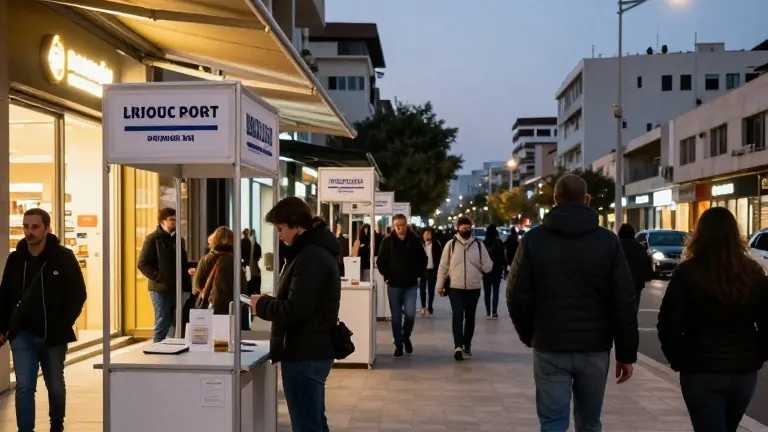
The election day also served as a national holiday, with many Israelis visiting parks and beaches before inclement weather set in. More than 90,000 people visited national parks, though flooding in the south closed several sites. In Tel Aviv, citizens gathered in cafes and parks, with some expressing hopes for social and economic change. The final results are expected in the coming days and may vary from the exit polls.
Source: WDIV ClickOnDetroit