Israel reportedly asks Lebanon to block Hezbollah from entering renewed Iran conflict
A television report says Israel used US mediators to request Lebanese army roadblocks aimed at keeping Hezbollah out of any renewed war with Iran.
By Marta Price ·
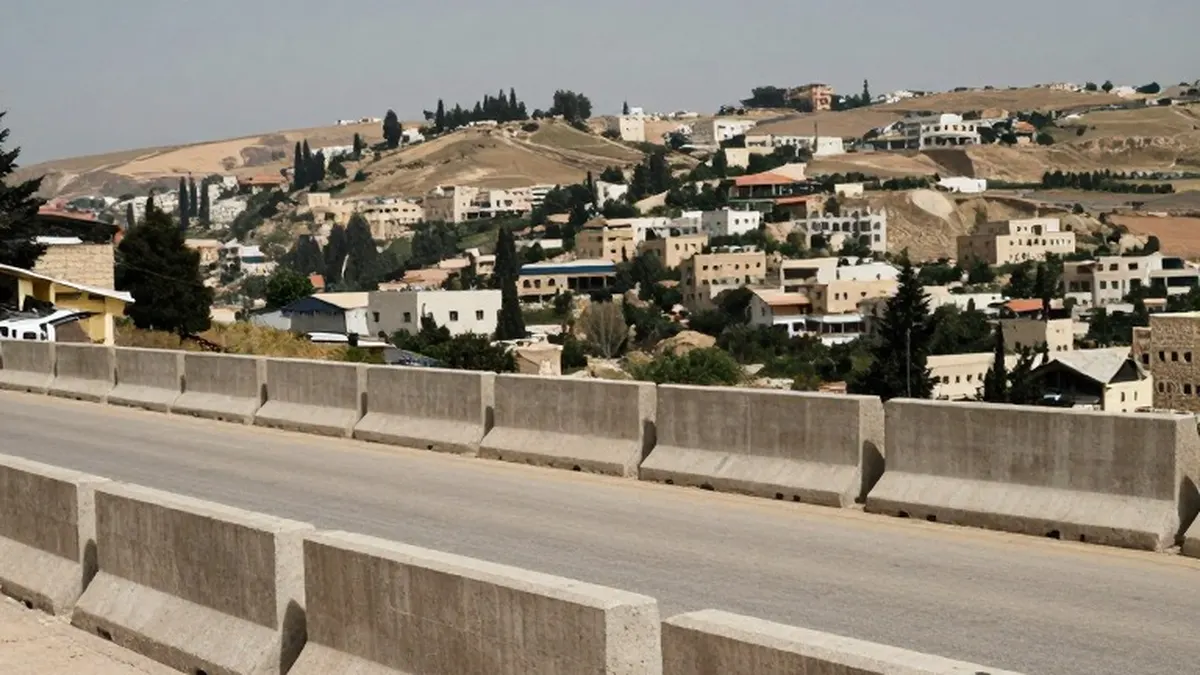
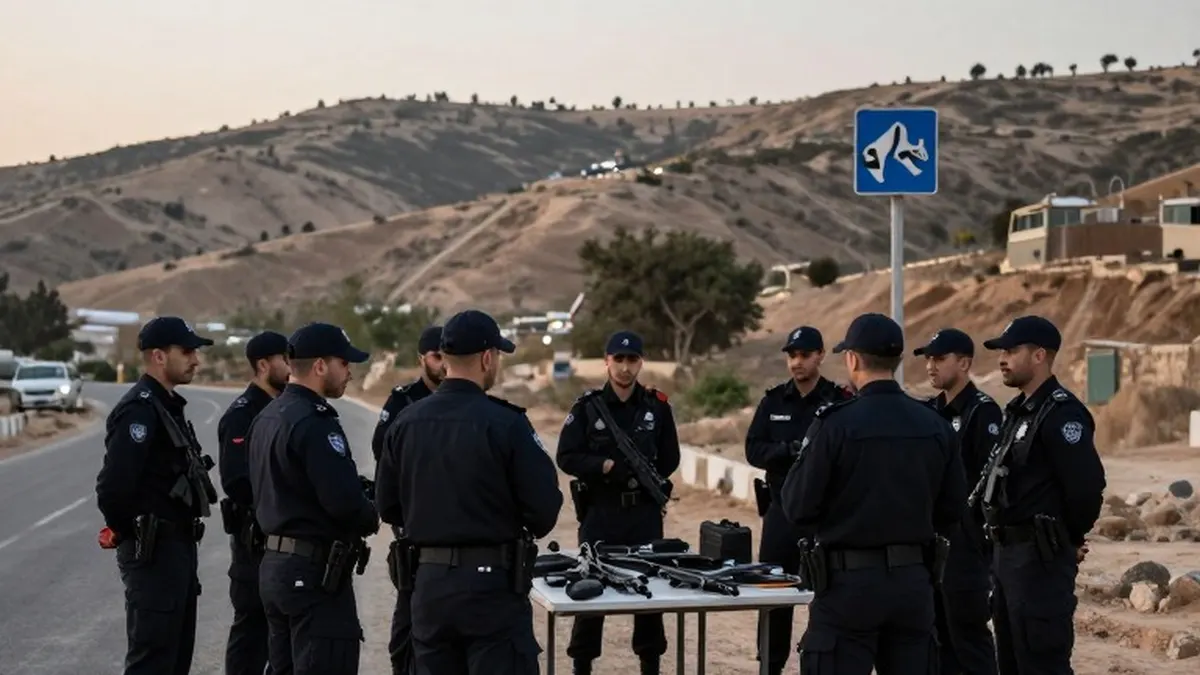
Israel has asked Lebanon to send soldiers to establish roadblocks in areas where Hezbollah members live, seeking to prevent the group from entering any renewed war with Iran, according to an Israeli television report broadcast Monday. The report cited a security source describing the request to the Lebanese government.
The broadcaster said US mediators passed the message to Beirut. Alongside the request, Israel warned that a Hezbollah attack on Israel would lead to renewed fighting in Lebanon. The reported approach comes as the two sides remain at odds over implementation of an agreement intended to disarm Hezbollah and gradually remove Israeli forces from southern Lebanon.
The reason for using American intermediaries was unclear. The television report noted that Israel and Lebanon had recently held direct negotiations backed by the United States on carrying out the framework agreement. Those discussions concern both Hezbollah’s disarmament and the phased withdrawal of the Israel Defense Forces.
Hezbollah entered the Israel-US war with Iran on March 2 in support of its Iranian backers, bringing Lebanon into the conflict. Israel responded with extensive airstrikes and later launched a ground invasion of southern Lebanon. An agreement to end the conflict followed in June, although intermittent fighting has persisted since then.
Under the agreement, Israeli troops are supposed to leave areas they held in southern Lebanon as Lebanese army units deploy, with the process beginning in designated pilot zones. That arrangement is conditional on Hezbollah giving up its weapons. The group’s refusal to disarm has obstructed negotiations over putting the deal into effect.
Lebanese President Joseph Aoun said last week that several central questions remained unresolved. He said the state and its army were ready to handle security concerns through “official mechanisms and established coordination channels,” rather than through military action.
Lebanese officials contend that continuing Israeli attacks are making Beirut’s attempts to disarm Hezbollah more difficult. Israel, meanwhile, argues that Lebanon’s army has yet to demonstrate that it can take on the security responsibilities assigned to it under the US-backed ceasefire agreement.
Israel maintains that its operations in Lebanon target members of Hezbollah and other groups it identifies as terrorist organizations, or respond to Hezbollah firing on Israeli troops. The Israeli military continues to hold a buffer zone in southern Lebanon as sporadic fighting and disagreements over the agreement persist.
Source: The Times of Israel