India's New Price Caps Make 137 Cancer Drugs Cheaper
A new 30 percent limit on trade mark-ups aims to cut out-of-pocket costs for patients, following a Supreme Court ruling that labeled previous pricing practices as extortion.
By Kofi Greco ·
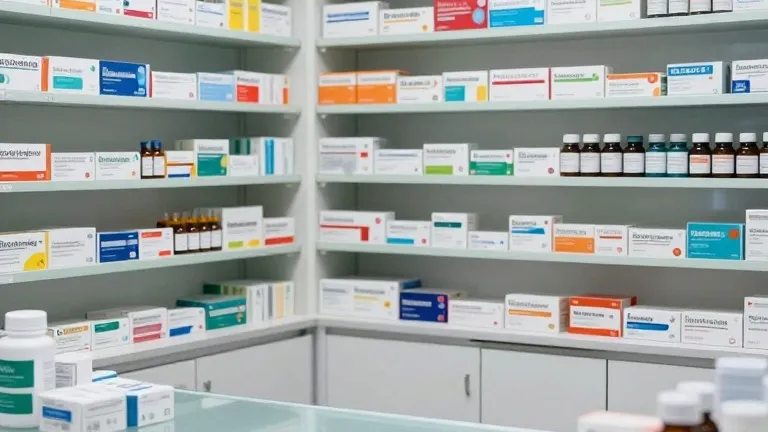
India has long struggled with a healthcare system where treatment costs frequently outpace household incomes, often forcing families to liquidate assets to pay for care. On October 23, the Indian government announced a new pricing mechanism for 137 cancer medicines that will take effect next month.
The policy extends a 30 percent cap on trade margins, previously applied to only 42 drugs, to a much wider list of oncology treatments. This move follows a Supreme Court decision that described the high mark-ups applied by hospitals and retailers as "extortion" and "carnage."
The legal battle originated with Sarojam Radhakrishnan, a retired bank clerk from Kerala. Diagnosed with breast cancer in 2021, she faced monthly medication costs exceeding 63,000 rupees, a sum her family could not afford. In 2022, she petitioned the Kerala high court to intervene on pricing.
During a hearing on September 29, Supreme Court justices Vikram Nath and Sandeep Mehta reviewed the supply chain economics. They cited a specific example where a drug supplied to hospitals for 2,700 rupees was sold to patients for 27,000 rupees. The court determined that distributors and chemists were extracting excessive profits.
Data from the National Pharmaceutical Pricing Authority indicated that trade mark-ups on certain cancer drugs averaged 170 percent, with some cases exceeding 700 percent. By capping these margins at 30 percent, the Department of Pharmaceuticals estimates that medicine prices will drop by up to 70 percent.
The department stated that the measure is expected to save cancer patients 2,500 crore rupees annually. This reduction targets the out-of-pocket expenses that have historically driven many families into debt or forced them to abandon treatment.
Krishan Kalra, a former council member of the Rajiv Gandhi Cancer Institute and Research Centre, noted that many patients avoid free diagnosis camps due to fear of unaffordable treatment costs. Cancer drug prices in India currently range from 38,000 to 380,000 rupees. Studies by the Public Health Foundation of India indicate that healthcare spending pushes approximately 55 million Indians below the poverty line each year.
Insurance coverage remains a partial solution. The government's Ayushman Bharat scheme provides 500,000 rupees in annual coverage per family. This amount covers roughly one dose of Kadcyla, a breast cancer medication for which patients may require up to 14 doses. Dr. Ravi Kannan, a surgical oncologist in Assam, called the new cap a "welcome step" but noted that some families still struggle to sustain treatment costs.
Jyotsna Singh, co-convener of the Working Group on Access to Medicines and Treatments, warned that hospitals might offset lower drug prices by increasing other service charges. She argued for a total overhaul of healthcare transparency across the entire supply chain. The Supreme Court has also asked the government to justify why the cap applies only to cancer drugs and not to all non-patented medicines, with a response due by October 27.
Radhakrishnan, whose case initiated the review, died in September 2022 while the legal proceedings were still pending in the Kerala high court. India recorded approximately 1.56 million new cancer cases last year, an increase from 1.39 million in 2020.
Source: The Guardian
More Business · World news · Rip-Off Report · Report a business · Got a Story?