Iraq’s Kurdish Region Faces Pressure From Iran and Uncertainty Over US Support
Retired US intelligence officer Rick Francona says Iraq’s Kurds have a stronger foundation for autonomy than Kurdish communities elsewhere, but face military threats and difficult political choices.
By Marta Price ·
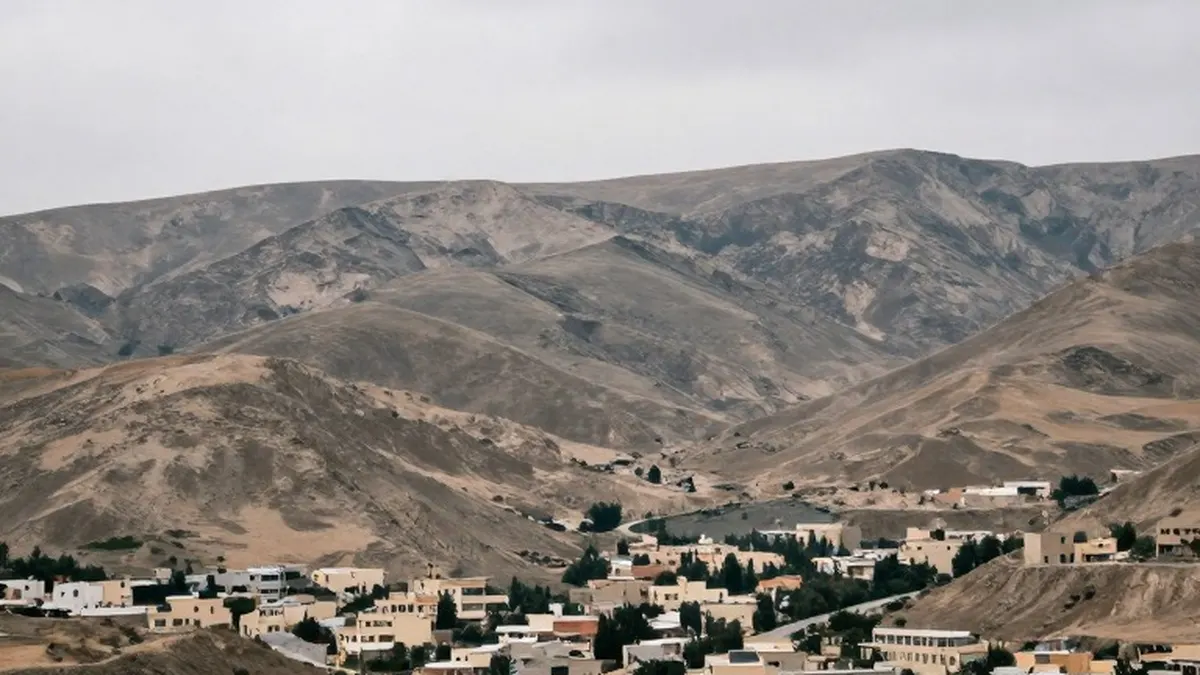
Iraq’s autonomous Kurdistan Region faces mounting pressure from Iranian attacks, disputes with Baghdad and uncertainty over future American support, retired US Air Force intelligence officer Rick Francona told The Jerusalem Post. Its borders with Turkey, Iran and Syria give it strategic importance while exposing it to conflicts involving its neighbors.
Francona, whose career included assignments with the National Security Agency, Central Intelligence Agency and Defense Intelligence Agency, said Iraqi Kurds have the best prospects for preserving their autonomy. The Kurdistan Regional Government, or KRG, has constitutional recognition in Iraq, a legal foundation unavailable to Kurdish communities in neighboring countries. However, it must negotiate with Baghdad over its budget and lacks air defenses, partly because the central government has not supplied them.
Iran has launched missile and drone attacks against the region, where Iranian Kurdish opposition groups have maintained a presence as Kurds fled Iran over the years. Francona said that presence would continue to expose the region to attacks by Iran’s Islamic Revolutionary Guard Corps, or IRGC. He also said he did not expect Iraqi Kurds to stop offering refuge to their Iranian counterparts.
About six Iranian Kurdish opposition groups began building a loose coalition in late 2025 and sought to formalize it during the first two months of 2026. Their differing political positions have fueled internal disputes, while Iranian attacks and pressure from Baghdad to leave Iraq have complicated their position. Reports in March that Washington was arming the groups heightened Tehran’s determination to prevent a Kurdish uprising.
Francona said renewed US combat operations would leave the KRG facing a choice: urge those groups to remain outside the fighting or support operations across the Iranian border. If Kurdish authorities backed cross-border action, he said US intelligence agencies could assist with targeting information. His comments described possible support, rather than confirming that such assistance was taking place.
Internal Kurdish divisions present another challenge. Recalling American assistance in northern Iraq during the 1990s, Francona said Washington tried to remain neutral between the Kurdistan Democratic Party and the Patriotic Union of Kurdistan. He said US officials underestimated their hostility toward each other and their relationships with Baghdad and Tehran. He expects the parties’ relationship to remain one of “toleration and limited cooperation.”
In Baghdad, US President Donald Trump has supported new Iraqi Prime Minister Ali al-Zaidi. Francona suggested Washington may hope he can move Iraq further from Iranian influence. He credited the prime minister with efforts to control Iranian-backed militias and with creating conditions that allowed the US mission in Iraq to end. Those militias have attacked the Kurdistan Region, American diplomatic facilities and US troops.
Francona questioned whether Washington had a broader long-term strategy for the Kurds and warned that support for Iranian Kurdish groups might not survive the end of the Iran war. “We have a sad history of leaving the Kurds on their own,” he said. He also expects Iranian resistance to attempts by Baghdad to curb militias that Tehran values as proxies.
Developments elsewhere underscore the uncertainty surrounding Kurdish autonomy. The Kurdish-led region in eastern Syria largely collapsed in January 2026 and agreed to integrate into the new Syrian government, while US forces supporting the Syrian Democratic Forces left Syria. In Turkey, Francona said successful PKK disarmament would bring assimilation without autonomy. He added that fighters leaving bases in northern Iraq could ease tensions between Iraqi Kurds and Ankara.
Source: The Jerusalem Post