Bangladesh garment workers press wage demands as factory disruptions continue
Protests over pay and living costs entered a third day as Bangladesh formed a wage board and factory owners warned of withholding pay for missed work.
By Kofi Greco ·
Garment worker demonstrations disrupted hundreds of factories in Bangladesh as protests over low wages and rising living costs continued for a third day on Monday, November 2. Workers are demanding a minimum monthly wage of 30,000 taka ($242), compared with the current minimum of 12,500 taka ($101).
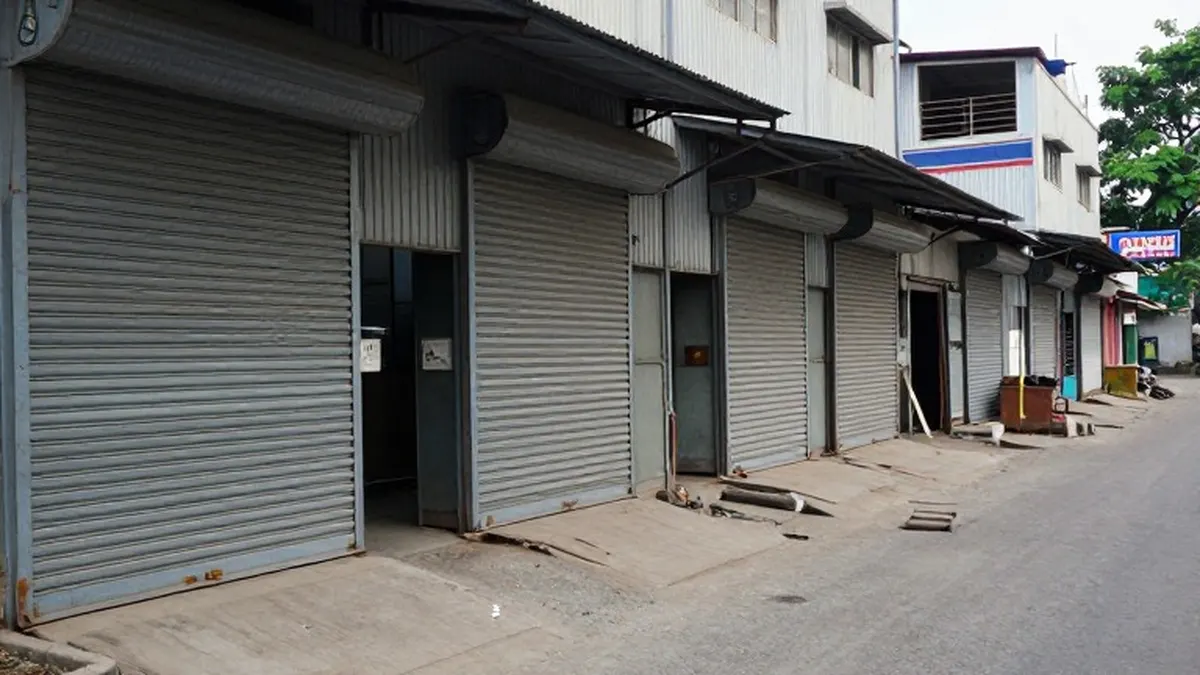
Around 500 factories were temporarily closed after demonstrations started on Saturday. Thousands of workers have joined street protests, where police have used tear gas and sound grenades. Reporting from Dhaka, Al Jazeera’s Tanvir Chowdhury described a heavy police presence in the capital’s Mirpur industrial area on Monday, with protests also reported in Savar, Ashulia and Gazipur.
The government established a new wage board on Sunday to examine the minimum wage for garment workers in an effort to ease the unrest. Prime Minister Tarique Rahman also convened an emergency meeting with ministers and advisers as the demonstrations affected the country’s industrial hubs.
The wage dispute concerns an industry worth approximately $38bn that provides a major source of employment and export earnings for Bangladesh. Chowdhury said workers’ earnings were insufficient to meet rising living costs. He reported that workers were struggling to manage on their existing pay and wanted a share of the multibillion-dollar export industry.
The protests coincide with several pressures on Bangladesh’s garment manufacturers, which compete with producers in Vietnam, Cambodia and India. Factory owners cited increasing costs, uncertainty in energy markets during the United States-Israel war on Iran, and weaker demand in some export areas as challenges facing their businesses.
Babul Akhter, general secretary of the Bangladesh Garment and Industrial Workers Federation, said Bangladesh nevertheless had some of the world’s lowest garment wages. Akhter, who represents workers on the wage board, argued that factory owners unable to provide adequate wages should seek better prices from international buyers. “They cannot build a business on the backs of underpaid workers,” he said.
Mahmud Hasan Khan, president of the Bangladesh Garment Manufacturers and Exporters Association, pointed to the creation of the wage board as a government response to the dispute. He urged workers to give the review time to move forward, saying: “We expect workers to allow the review process to proceed.”
Khan also warned that continued protests throughout Monday would leave factory owners with no option but to apply the “no work, no pay” provision.
Source: Al Jazeera