Bangladesh sets up wage board as garment worker protests continue
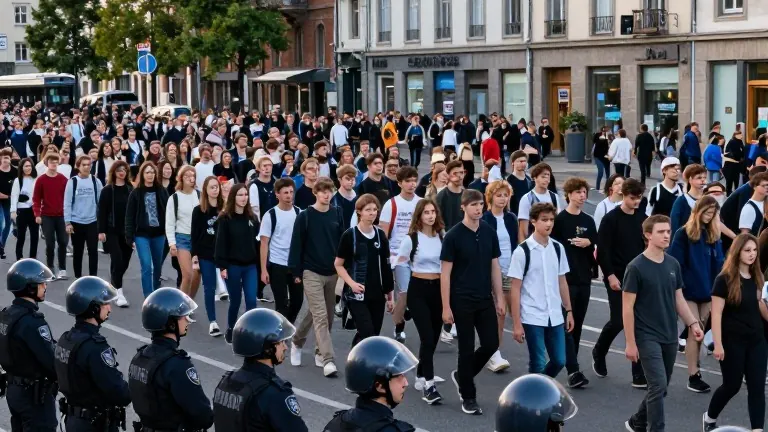
Thousands of garment workers continued demanding higher pay around Dhaka despite the government's announcement of a board to review the minimum wage.
By Pablo Montgomery ·
Bangladesh announced a new wage board on Sunday, November 1, as it sought to ease garment worker protests that have disrupted major industrial areas. The move did not immediately end the demonstrations, with thousands of workers continuing to rally around the capital, Dhaka, to demand a higher minimum wage.
Workers are seeking a minimum monthly salary of 30,000 taka ($242), compared with the existing rate of 12,500 taka ($101). Their demand would more than double the current minimum. Workers said increases in the cost of food, housing, transport and healthcare had substantially reduced what they could afford with their earnings.
The six-member wage board will bring together representatives of the government, factory owners and workers. Its task is to determine a new minimum wage for employees in an industry that employs millions of people and accounts for most of Bangladesh's foreign earnings. The government formed the panel as it tried to bring the protest movement under control.
Speaking to reporters, Ministry of Labour and Employment adviser M Sakhawat Hossain Chowdhury said the issue of establishing the board had been settled and expressed confidence that the problems would end. He also urged workers to resume their duties, saying: “The workers should return to work and work smoothly.”
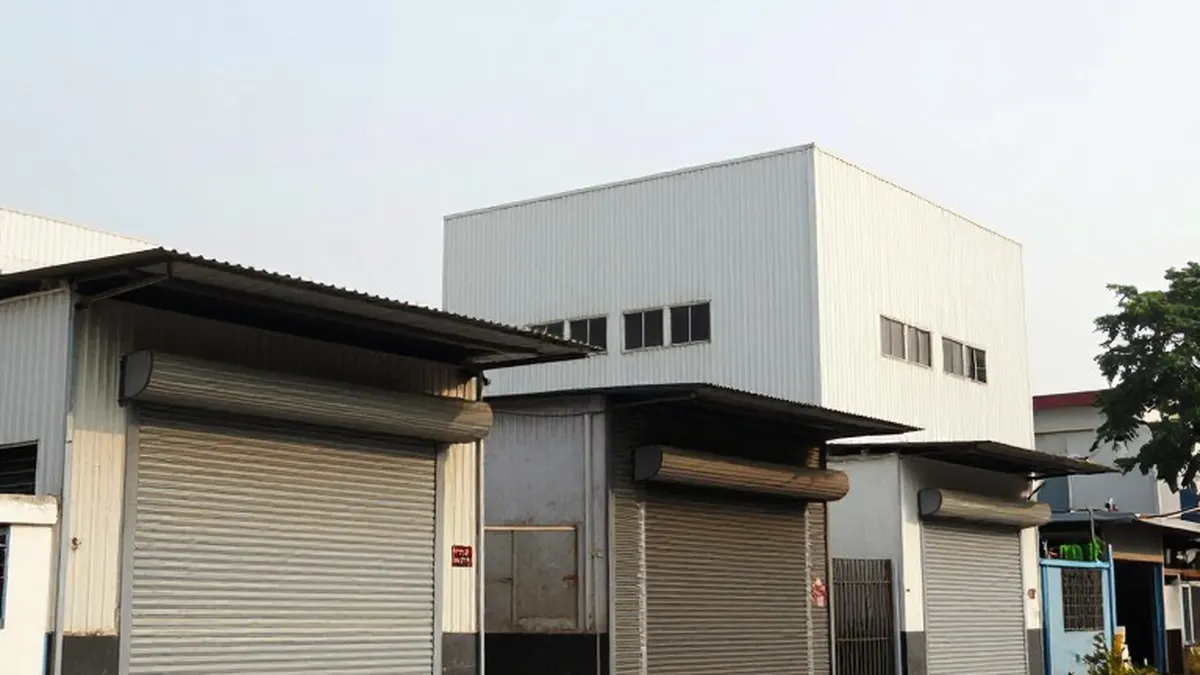
The demonstrations began on Saturday. About 30 garment factories on Dhaka's outskirts subsequently declared holidays, according to Mohammad Mominul Islam Bhuiyan, superintendent of the Ashulia Industrial Police. Police reported that clashes in Ashulia left several people injured, including police officers. Officers used tear gas and sound grenades during confrontations as protests continued on Sunday.
Labour and Employment Minister Ariful Haque Chowdhury warned of consequences if factories remained closed and production continued to be interrupted. He said prolonged disruption could hold up export shipments and payments from international buyers, adding to the difficulties faced by both manufacturers and workers.
The dispute affects a central part of Bangladesh's export-driven economy. The country's garment industry ranks second globally behind China's and contributes about 10 percent of gross domestic product, making the disruption significant for a sector that provides employment to millions.
Manufacturers said they were also contending with growing pressures, including higher production costs and recurring shortages of gas and electricity. They cited uncertainty in energy markets associated with tensions in the Middle East during the United States-Israel war on Iran as another challenge facing the industry.
Source: Al Jazeera