Yemen's Taiz Faces Water Crisis as Rebel Siege Cuts Supply Lines
The Houthi blockade of Taiz has forced over one million residents to stretch their water ration to last four days, marking a sharp deterioration in a long-standing humanitarian struggle.
By Marta Price ·
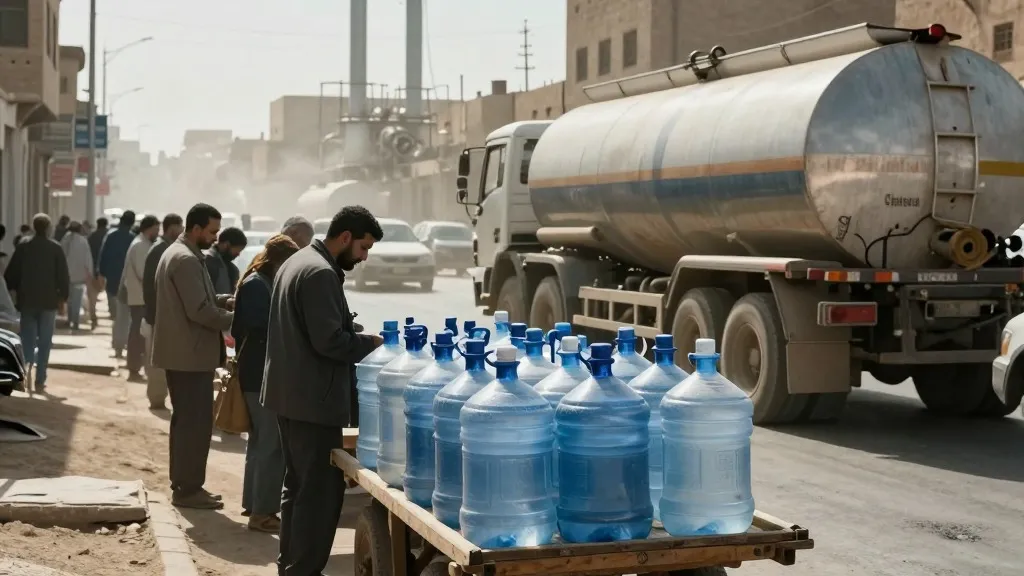
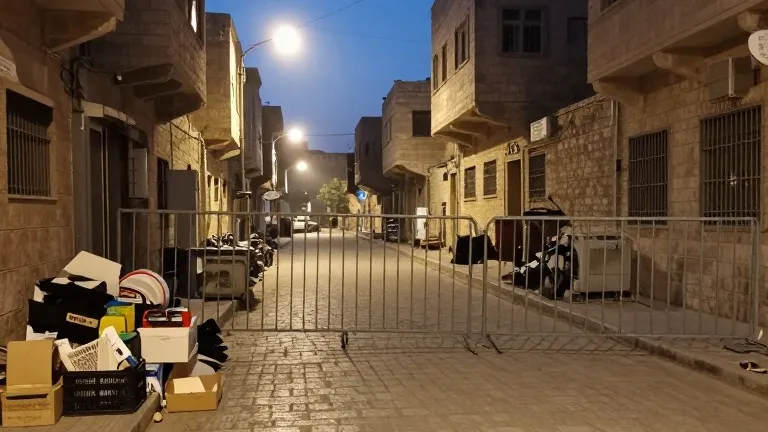
Over one million people in the Yemeni city of Taiz are now barely meeting their most basic need for drinking water. Humanitarian organizations report that the situation has slipped from a chronic shortage into an acute crisis in recent weeks. This sharp decline is driven by a tightening siege from Iran-backed Houthi rebels, who have intensified their conflict with government forces. The blockade has severely restricted access to essential resources, leaving families to ration every drop they can find.
The current emergency is the result of a long and complex history of conflict and strain. Yemen descended into civil war in 2014 when Houthi rebels captured the capital, Sanaa, and forced the internationally recognized government into exile. Taiz, the country's third-largest city, became a central battleground. Years of fighting damaged the city's aging water infrastructure. Simultaneously, population growth and frequent droughts depleted groundwater reserves. For a decade, residents relied heavily on water trucks to survive, a solution that remained largely dependable until recently.
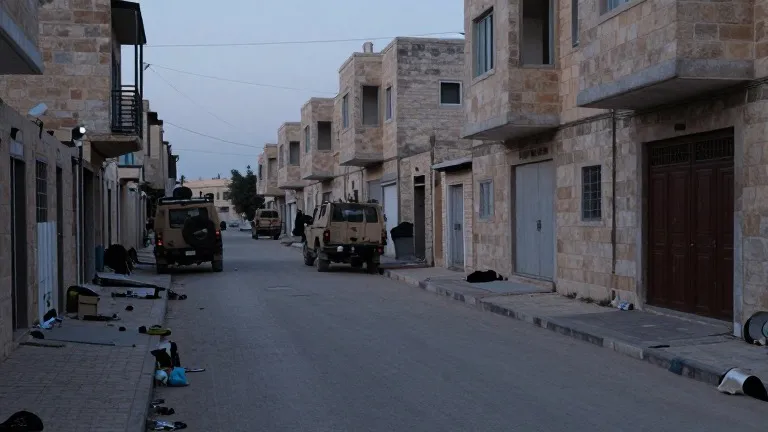
The dynamic shifted significantly by August of this year, as Yemen became a wider front in the broader regional conflict involving Iran. Last month, Houthi forces quickly captured the port city of Mokha, located about 130 kilometers away. This strategic move is critical for controlling shipping in the Red Sea. Following this victory, the rebels advanced further toward Taiz. As they took control of surrounding land and roads, residents lost access to nearby wells and outside deliveries became increasingly difficult to secure.
This loss of access has created a cascade of economic and logistical problems. Truckers who still attempt the dangerous journey into the city have in some cases tripled their rates. Meanwhile, local water utilities and desalination plants are operating well below capacity due to a severe shortage of fuel. These combined factors have made it nearly impossible to maintain a steady flow of clean water to the city's residents.
The impact on daily life is profound. Hadil al-Shahid, a resident of Taiz, explained by phone that her family of four once used about 10 liters of bottled water per day. Now, that same amount must last for four days. "We stopped drinking coffee and tea, which we used to drink daily," she said. The cost of survival has also risen sharply. Bottled water is now up to 75% more expensive than it was a few weeks ago. Some households are resorting to buying essentials on credit to keep their kitchens stocked.
The crisis extends beyond water to include food, fuel, and public health. Grocery shortages have driven up food prices, while scarce fuel hampers the operation of hospitals and sanitation services. Hani Bafaqih from the aid group CARE noted that cooking gas prices have more than quadrupled. Families are burning wood, charcoal, or even cardboard to cook. These shortages feed into one another, creating a cycle that increases the risk of disease. Jens Laerke, a spokesperson for a UN emergency aid division, warned that using unprotected wells makes outbreaks of cholera more likely.
Taiz has also become a refuge for those fleeing other parts of the country. Since August, the province has absorbed an estimated 124,000 displaced people, roughly half of those moved elsewhere in Yemen. Many live in makeshift shelters or tents. Some survive on just one meal a day. Community kitchens are struggling to operate due to fuel shortages, and waste collection services have largely shut down, further compounding the health risks for the population.
Strategically, the government still holds the center of Taiz, but the siege complicates the resupplying of its forces. Analysts view the city as a key gateway. Controlling Taiz is essential if the Houthis intend to push south toward Aden and Lahj. Ahmed Nagi of the International Crisis Group suggested that any attempt to seize parts of the city would likely lead to a prolonged and costly battle. Three Houthi officials speaking anonymously claimed the group controls about 80% of the surrounding countryside and several neighborhoods inside the city, though these claims have not been independently verified.
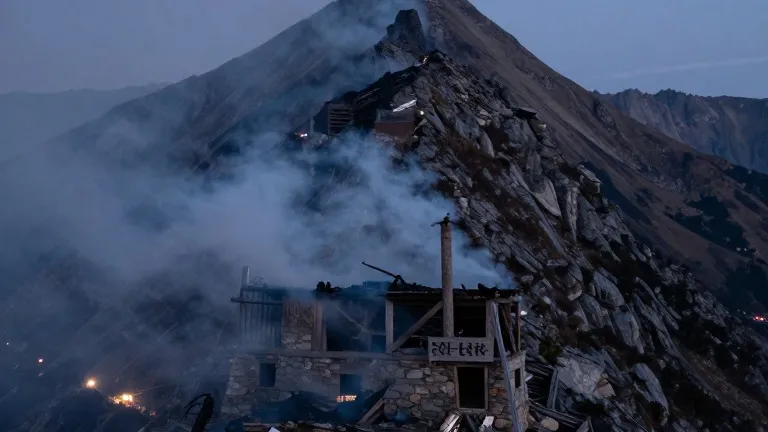
Civilians remain in the path of this intensifying conflict. Earlier this week, Houthi missiles struck a residential area, killing two teenage girls. Residents like Ahmed Abdel Gaber hear explosions daily from fighting about five kilometers away. Many have decided not to return to their mountain villages for safety. Al-Shahid, who owns a hair salon, had to close her business as customers prioritized food and water. "Staying in our home is inevitable," she said, "whether it be a matter of life or death."
Aid groups are now urging the Houthis to open roads into the city immediately. Amnesty International has warned that Taiz is being pushed to the brink of a severe humanitarian disaster. Without immediate intervention, the interplay of water scarcity, rising costs, and ongoing combat threatens to overwhelm the remaining resilience of Taiz's population.
Source: NPR