NHS emergency departments in England to introduce child illness warning system
A national scoring system will help emergency staff identify children whose condition is worsening, while allowing concerns from families to trigger urgent care.
By Pablo Montgomery ·
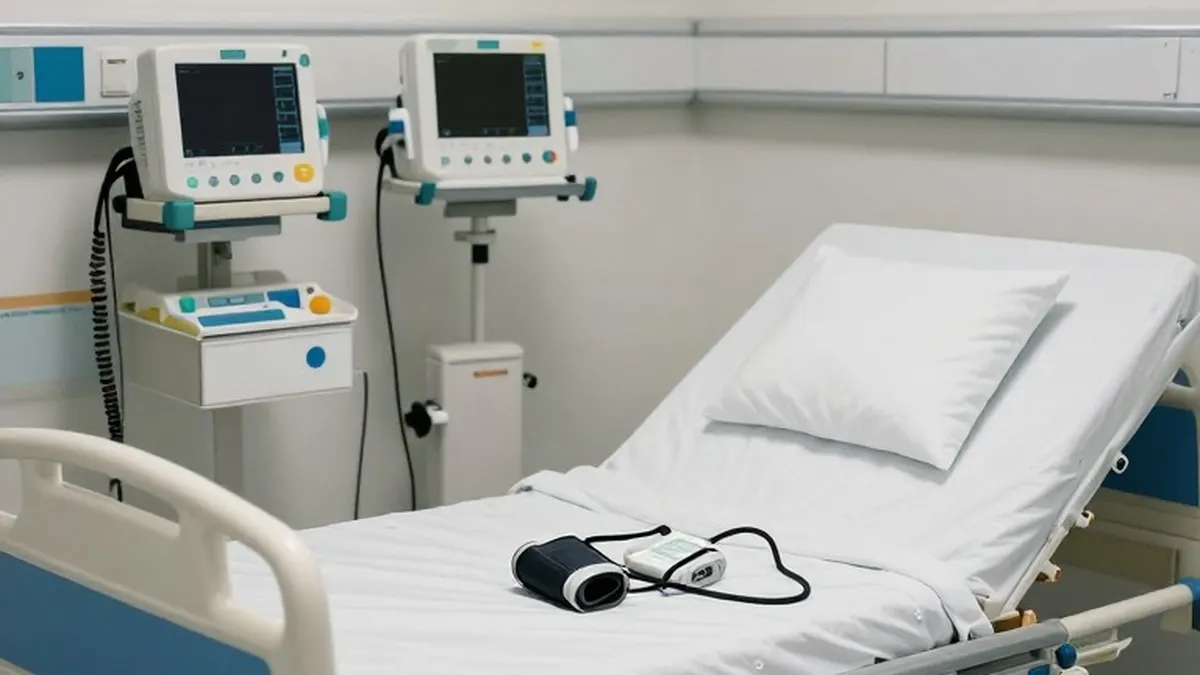
Emergency departments across England are to introduce a national system this winter to help staff recognise when seriously ill children are deteriorating. NHS leaders say the rollout of the paediatric early warning system, known as Pews, will create the largest standardised scoring system of its kind in the world.
Pews is already used for children admitted to hospital, but NHS England said this will be its first deployment in A&E. It gives doctors and nurses a common way to record and assess vital signs, including blood pressure, heart rate, breathing rate, oxygen levels and consciousness. Higher scores alert staff that a child may need more urgent attention.
The score is intended to support clinical decisions rather than override professional judgment or the observations of children, parents and carers. NHS England said concerns about a child's condition can prompt an immediate escalation of care even when the recorded score is low. Charts tailored to different ages account for how signs of deterioration vary between babies, children and young people.
The emergency department version has been designed to support rapid decisions in busy settings. More than 6 million children attend A&E in England annually, while NHS hospitals already use a comparable national early warning system for adults. Duncan Burton, England's chief nursing officer, said a shared approach would help emergency teams identify warning signs, communicate concerns and act promptly, while ensuring families' concerns can lead to action.
The Royal College of Paediatrics and Child Health helped develop the new system. Its vice-president for policy, Dr Mike McKean, welcomed its introduction ahead of winter, which he described as a demanding period for hospitals and healthcare professionals. He said the charts, supported by training and resources, would help child health teams recognise deterioration and improve equity, safety and care quality across England.
Prof Lynn Woolsey, of the Royal College of Nursing, which also contributed to the work, stressed the importance of escalating care early to protect children. She said using a standard approach across emergency departments and children's wards would support consistent assessments, communication and decisions. Effective implementation would also require sufficient nursing staff, capacity, training and support, she said.
According to NHS England, more than 90 hospitals in England already use the national inpatient version of Pews. The organisation said data suggests those hospitals have consistently lower rates of cardiac arrests among their patients.
Alongside the rollout, NHS England is urgently developing new standards for the treatment of children in A&E. Ending corridor care for young patients is among the priorities being addressed.
Source: The Guardian