Ukraine’s rights chief says Russian equipment in Oleshky footage was clearing mines
Dmytro Lubinets said equipment filmed during the Oleshky ceasefire was conducting supervised mine clearance, while other Ukrainian military officials reported Russian efforts to reinforce positions.
By Kofi Greco ·
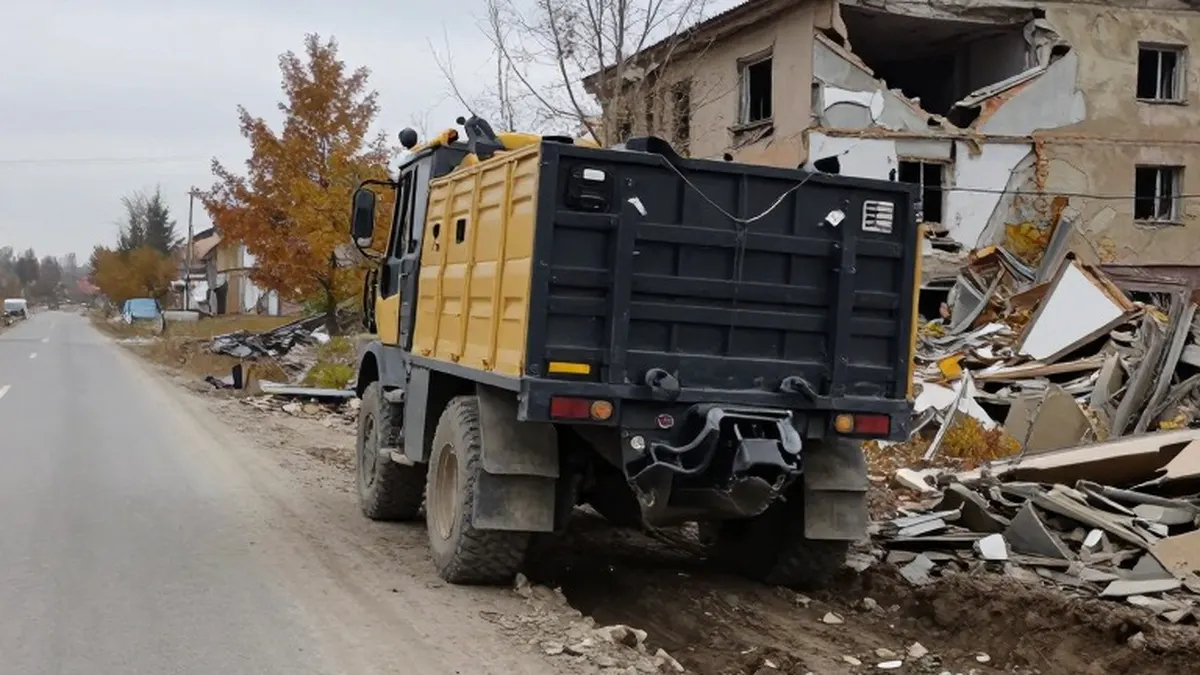
Ukrainian Human Rights Commissioner Dmytro Lubinets said on 2 November that Russian military equipment shown moving in Sky News footage from Oleshky had been used to clear mines under Ukrainian supervision. His comments followed reports that Russian forces had taken advantage of a ceasefire to move supplies and reinforce their positions.
Speaking at a press conference, Lubinets said the agreement with Russia expressly barred troop buildups and equipment movements. Asked about footage and allegations of Russian reinforcement activity, he said those restrictions had been written into the document agreed by the two sides, rather than simply discussed.
According to Lubinets, each side assigned a representative to oversee compliance. The initial arrangement called for checks every two hours and regular public updates on the results. He said he met Ukraine’s appointed representative and defence forces personnel before the ceasefire expired, and that checks by both sides had found no recorded violations.
Lubinets said he personally examined the footage on 2 November after reports of alleged breaches appeared. He also contacted the Ukrainian representative and convened a meeting. The Russian vehicles visible in the video carried red crosses, he said, and were clearing mines under strict Ukrainian supervision before returning to their previous location. He limited his account to activities under his oversight and acknowledged that viewers could interpret the footage differently.
Earlier on 2 November, Sky News reported that Russian forces had moved heavy equipment and ammunition in Oleshky during the ceasefire. Its journalists had been given exclusive access to the command centre at the headquarters of Ukraine’s 34th Marine Brigade, where Ukrainian troops were observing Russian movements.
Brigade commander Dmytro Pulinets told the broadcaster that Russian forces had repaired or replaced artillery, regained positions they had previously lost, rotated personnel and brought in additional troops and equipment. He also said they had improved aerial reconnaissance capabilities and fuel supplies. Ukraine’s General Staff separately reported Russian unit rotations, work to fortify positions, stronger anti-drone protection along roads and a buildup of logistics.
The ceasefire around Oleshky ran from 03:00 on 27 October to 22:59 on 1 November to enable a humanitarian mission. Under the evacuation agreement between Ukraine and Russia, residents travelled through Russia and Belarus before entering Ukraine. President Volodymyr Zelenskyy announced on 31 October that all evacuated Ukrainian citizens had reached Ukraine through the border in Chernihiv Oblast.
Lubinets announced the ceasefire’s conclusion on the evening of 1 November. At that time, he said both parties had met their obligations throughout the agreed period.
Source: Ukrainska Pravda