Trump Era Tensions Fuel Loud U.N. Clash Over Cuba Vote
A 34-year annual resolution condemning the U.S. embargo faces a contentious vote after a shouting match between U.S. and Cuban diplomats on the General Assembly floor.
By Pablo Montgomery ·
165-7. That was the vote count last year for the United Nations resolution condemning the U.S. embargo on Cuba. The 12 abstentions noted in the record underscore a consistent global pattern of support for Havana over the past three decades.
The General Assembly will hold its annual vote on Wednesday. For the 34th time, member states will weigh the American government's maximum pressure policy. The resolution is not legally binding, but it serves as a formal marker of world opinion on the economic blockade that has persisted since 1960.
The procedure usually moves with diplomatic calm. This year, the atmosphere is charged by a new phase of contentiousness. The Trump administration has intensified its campaign to undermine Cuba's socialist government, adding threats of military intervention to the existing economic pressure. It remains uncertain if this overt influence will shift the balance of opposition or abstentions from Western allies compared to previous years.
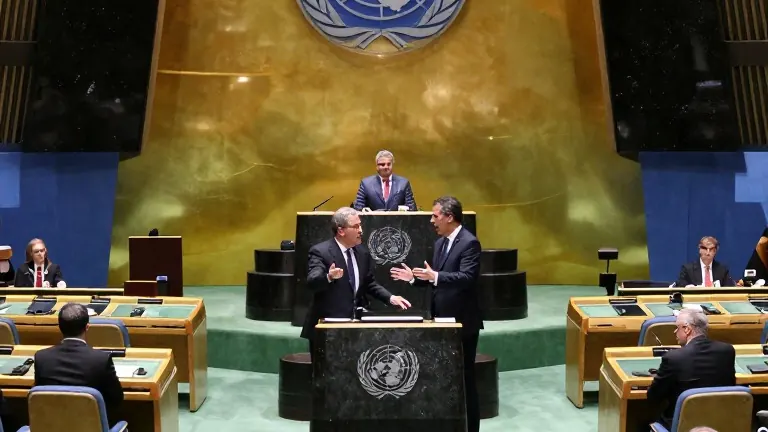
The friction became visible on Tuesday during a debate on the floor. U.S. Ambassador Mike Waltz began his criticism of the Cuban government when Foreign Minister Bruno Rodriguez walked down to the podium. Rodriguez called the U.S. envoy a liar and sought a point of order from the presiding officer. Security personnel moved to intervene as the two men spoke over one another.
Waltz told the assembly, "This individual needs to back away from this podium. He’s not going to intimidate me in the United States of America." He added, "You understand who you’re dealing with? This is America. Back up." Rodriguez responded on social media, noting that Waltz was at the U.N., not a White House security meeting. He described the U.S. comments as crude lies designed to justify economic aggression and a criminal energy blockade.
This public confrontation followed a similar incident a week earlier. Waltz and Cuban diplomat Ernesto Soberon Guzman clashed outside a U.S.-hosted panel featuring Cuban dissidents and former prisoners. The event aimed to detail allegations of oppressive behavior by the island's government. These interactions signal a clear break from the traditional diplomatic decorum usually expected at the world body.
Cuba faces deepening financial crises as the U.S. tightens its economic campaign. President Trump recently suggested U.S. warships might stop in Cuba on their way back from the Iran war. In late January, his administration announced tariffs on any country selling or providing oil to the island. The move has effectively cut off fuel, leading to widespread power outages that disrupt cooking, water supply, and internet services.
The embargo was first imposed in 1960 after Fidel Castro's revolution toppled dictator Fulgencio Batista and nationalized properties owned by U.S. citizens and corporations. The Caribbean nation has spent decades managing the impact of these long-term economic and financial troubles. The current situation pushes the country to a breaking point under the weight of the ongoing blockade.
Source: WKMG-TV