Northern Territory water bill draws criticism over proposed removal of environmental allocations
Environmental groups and the Central Land Council say proposed water law changes would weaken protections, while the territory government maintains its core safeguards will remain.
By Marta Price ·
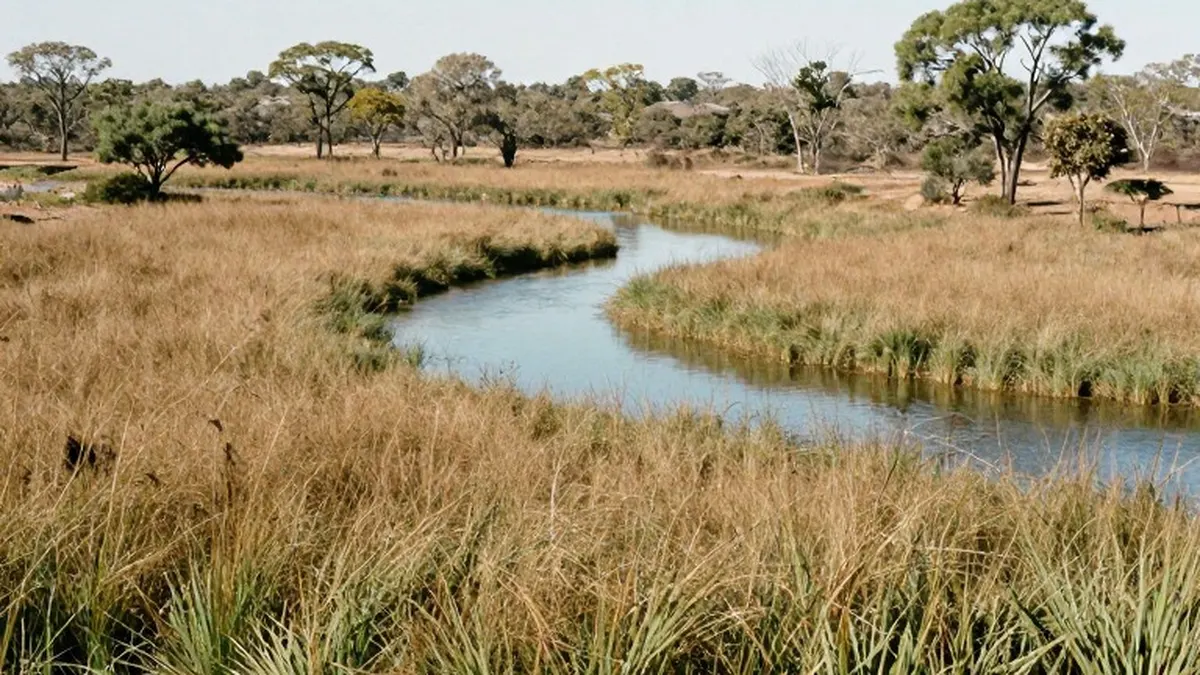
The Northern Territory government is facing criticism over legislation that would remove a requirement to reserve water for the environment. The proposal before the territory parliament would change the rules governing industrial access to groundwater and surface water as the government pursues a major expansion of fracking, datacentres and agriculture.
Under the proposed changes, water allocation plans would no longer have to set aside supplies to sustain rivers, springs, wetlands and ecosystems that depend on water. The bill would also remove requirements that industrial water use stay within each plan’s limit and that water resource management comply with allocation plans. Environmental groups say it would weaken the definition of estimated sustainable yield, the amount that can be drawn or used from a water resource.
The water provisions form part of a broader legislative package covering marine pollution, heritage and mining. Wilderness Society chief executive Kirsty Howey described the proposal as extreme even by the standards of the Country Liberal party government. She urged federal environment minister Murray Watt to withhold commonwealth water funding if the legislation passed, warning that aquifers and rivers were being put at risk for the short-term benefit of gas, agriculture and technology businesses.
The Central Land Council, which represents Indigenous people across the territory’s southern half, accused the government of trying to remove remaining water protections covertly. Its chief executive, Les Turner, said the changes undermined community demands for better, more transparent planning and disregarded Aboriginal voices. He argued that stronger federal powers were needed to intervene in developments affecting water and aquatic ecosystems.
Turner pointed to the high court’s August decision to quash the government’s approval of the Singleton Station water licence because it had been granted unlawfully. He said the proposed law would have prevented the council from supporting native title holders in challenging the merits of such a licence. He also raised concerns about future developments with high water demands, including datacentres seeking to benefit from loose regulation and free water.
Northern Territory environment minister Joshua Burgoyne rejected claims that the bill dismantled environmental safeguards. He said the core legal framework would remain, including provisions governing environmental assessments and approvals, mining licences, pollution control, water allocation planning and heritage. Burgoyne accused environmental lobby groups of fearmongering and said the government remained focused on facts.
The proposal follows other changes since the Country Liberal party took office, including the removal of the territory’s renewable energy target and the abandonment of a commitment to introduce a 43% emissions reduction target by 2030. The government also established a territory coordinator position with authority to override 32 territory laws to accelerate developments.
Environment Centre NT executive director Bree Ahrens said the bill prioritised industry over nature. She urged the Albanese government to rule out transferring federal environmental assessment and approval powers to the territory. Amendments to national environment legislation last year allow those decision-making powers to be handed to state and territory governments. Watt declined to comment.
Burgoyne cited the extension of Limmen Bight marine park as evidence of the government’s environmental record. He said the administration supported responsible development and effective environmental and water regulation alongside efforts to rebuild the territory’s economy.
Source: The Guardian