AI infrastructure firms face scrutiny as debt and falling shares unsettle investors
Neocloud companies supplying computing power to major AI developers are facing growing questions about borrowing, customer spending and their ability to survive independently.
By Marta Price ·
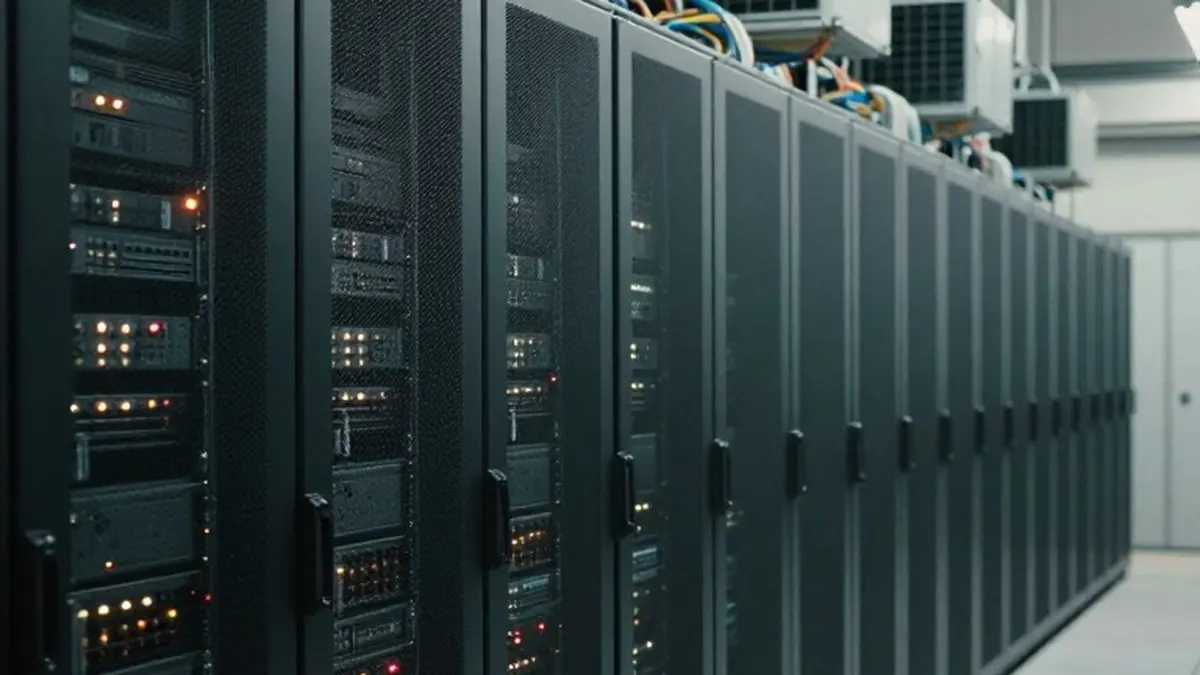
Companies that rent computing infrastructure to leading artificial intelligence developers are coming under increased scrutiny as falling share prices and heavy borrowing raise concerns about their financial resilience. Known as neoclouds, businesses including CoreWeave and Nebius operate data centres filled with costly computers, serving customers such as Anthropic, OpenAI and Meta.
Analysts expect significant upheaval in the sector. Gartner forecasts that 80% of neocloud companies will no longer operate independently by 2030, while Forrester anticipates at least three imminent acquisitions as financial conditions weaken. Treasury Secretary Scott Bessent sought to ease those concerns on Thursday, telling CNBC that the firms represented a small part of the broader ecosystem.
Their financing model often begins with long-term contracts from technology companies seeking rapid access to computing capacity. Cory Johnson, an analyst at IPO research firm The Quiet Period, explained that neoclouds can use those agreements, alongside their AI chips, as security for loans. Borrowing is widespread because equipment must be purchased upfront. Johnson said lenders sometimes place greater weight on the creditworthiness of CoreWeave customers such as Microsoft and Meta than on CoreWeave itself, helping explain its $35.1bn debt.
Investors have nevertheless become more cautious. CoreWeave shares have fallen by a quarter over the past month, while Nebius, IREN and Applied Digital have suffered similar or larger declines. Debt investors are also seeking higher returns from several companies. CoreWeave chief executive Mike Intrator has described the market's behaviour as "irrationally" driven and defended the company's business model, with major companies seeking its infrastructure and AI services.
Several neoclouds emerged from cryptocurrency mining, which uses some of the same physical infrastructure as AI development. CoreWeave began in 2017 as an Ethereum miner, while IREN, Core Scientific and Applied Digital also have mining origins. Those facilities helped position them for the AI expansion following ChatGPT's introduction in 2022. Nebius followed a different route: previously called Yandex NV, it separated from Russia's version of Google and adopted its current name in 2024.
The sector's prospects are closely tied to AI developers and larger data centre operators that buy its services. Forrester vice president and principal analyst Charlie Dai said the business model carries greater financial risk when circumstances change, including customers' spending plans. During the past week, several neocloud stocks dropped after Microsoft and Google projected AI spending below Wall Street expectations. Anthropic and OpenAI are both expected to begin selling shares publicly in the coming months.
Continued access to borrowing is another pressure point, with higher interest rates making financing more expensive. Elon Musk recently suggested on social media that more than 200 neoclouds could face failures and consolidation, particularly smaller operators. Analysts at Yorkville Ives, however, said computing demand still outstrips supply and that neoclouds meet needs larger operators cannot accommodate.
Recent setbacks have added to the uncertainty. Microsoft cancelled an agreement with British neocloud Nscale amid power supply problems that could persist through 2030, while Australia's Firmus shelved plans for a public share offering. These developments coincide with public opposition to data centres and questions about AI's contribution to worker productivity. "There's reason to worry," Johnson said.
Source: BBC News