Minns warns of lasting job losses and business closures ahead of RBA decision
The NSW premier has urged governments to curb spending as an expected interest rate rise adds to economic and political pressure on the Albanese government.
By Marta Price ·
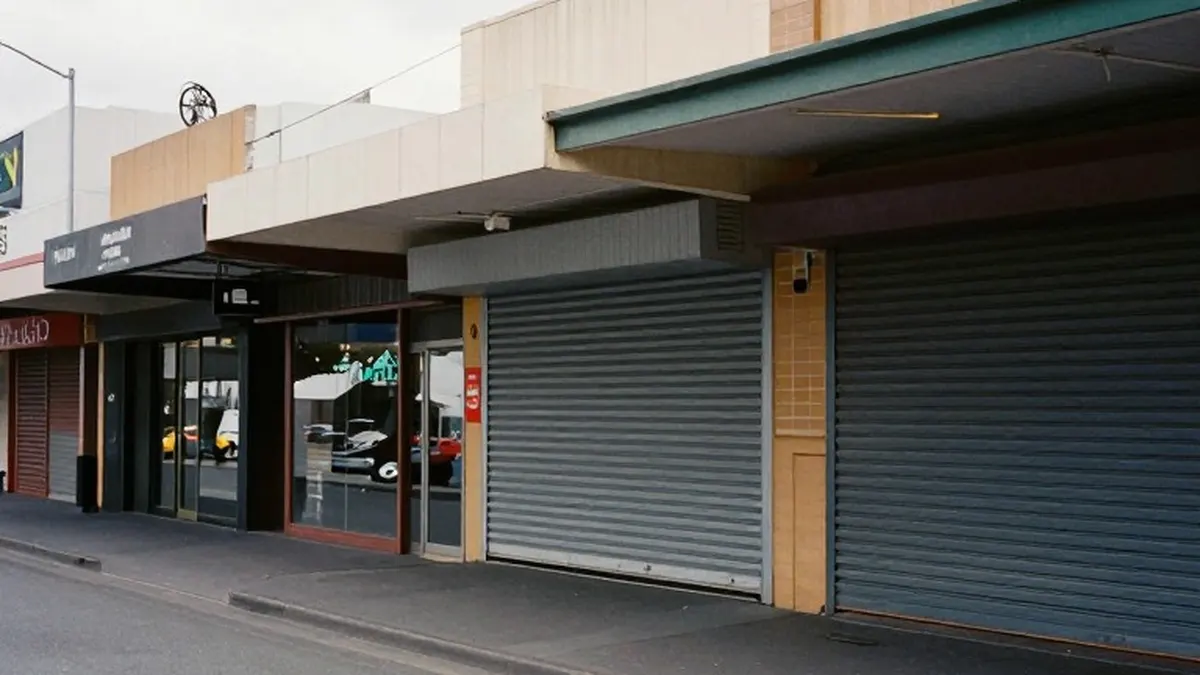
New South Wales premier Chris Minns has warned that another increase in interest rates could permanently cost jobs and shutter businesses, calling on federal and state governments to restrain spending. His intervention comes before Tuesday’s Reserve Bank of Australia decision, with markets anticipating a fifth rate rise in 2026. An increase to 4.85% would put rates at their highest level in 18 years.
Minns, who has become more vocal about his disagreements with prime minister Anthony Albanese, said the central bank faced a difficult choice with major consequences for the NSW economy. He warned that some jobs lost and shops closed following another increase would not return. Asked whether government expenditure was contributing to inflation, he said all governments needed to share responsibility for easing the pressure.
Albanese and treasurer Jim Chalmers have promised a savings package in December’s mid-year budget update. Both have also highlighted international developments, including the war in Iran, as drivers of rising prices. Albanese will be attending the commonwealth leaders’ summit in Antigua and Barbuda when the bank announces its decision on Tuesday, leaving Chalmers to present the government’s response.
Frustration over the government’s economic management is also building within Labor. An unnamed Labor MP told Guardian Australia that voters were already angry before the rates announcement, comparing the atmosphere with a polling downturn during the government’s first term. The MP said Albanese and Chalmers would hope next year brought a repeat of the improvement before the 2025 election, when inflation returned to the RBA’s target range after approaching 8% in late 2022.
Environment minister Murray Watt defended federal spending on Monday, telling ABC radio that inflation was affecting countries beyond Australia. He argued that international pressures would continue to push up prices even if the Australian government reduced its budget to zero. Labor frontbencher Tanya Plibersek backed Chalmers, saying the planned savings would be substantial without hurting households and that treasurers pursuing major reforms had historically attracted criticism.
Outside the RBA’s Sydney headquarters, ACTU secretary Melissa Donnelly warned that workers could not withstand another increase in borrowing costs. She accused major banks and supermarket companies of worsening household pressures through their treatment of customers. Donnelly attributed the inflation crisis to Trump’s war in the Middle East, saying workers had not caused it but were bearing its daily consequences.
Australian Council of Social Service chief executive Cassandra Goldie also urged the bank to leave rates unchanged. She called instead for measures to reduce housing costs, energy bills and out of pocket medical expenses. Goldie said higher rates deliberately increased unemployment and cautioned that the effect of another rise on joblessness a year later remained uncertain.
Goldie warned that unemployment moving towards or beyond 5% would have disastrous consequences, potentially leaving people without work for years and dependent on income support she described as grossly inadequate. Her comments added to calls for the RBA to consider the employment consequences of further tightening.
The economic debate comes amid weak polling for Labor. Monday’s Newspoll recorded its primary vote at 27%, below One Nation’s 28% but above the Coalition’s 21%. Opposition leader Angus Taylor accused the government of failing to control spending, inflation and interest rates, arguing that its approach was leaving the Reserve Bank to carry the burden.
Source: The Guardian