Mid-November Deadline: The 2024 Bear Baiting Ban Faces Reversal on Federal Grounds
A new federal regulation set to activate in two weeks allows hunters to use attractive food lures on Alaskan public lands, overturning a recent scientific ban.
By Kofi Greco ·
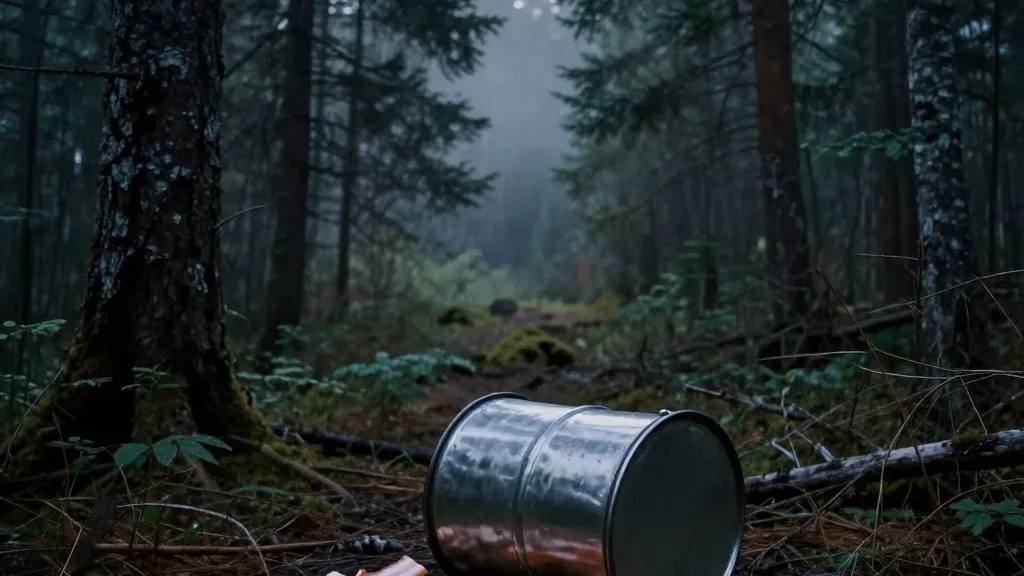
A regulatory shift is set to take hold in the middle of next month, fundamentally altering how hunters can pursue bears across vast stretches of public land in the northernmost United States. The new provision, which took effect this Friday in the official federal record, permits the use of human food items to lure these large carnivores. This move immediately reverses a restriction placed just two years ago, sparking debate among conservationists, industry leaders, and political observers regarding the balance between local tradition and national conservation goals.
The timeline for the change is specific. The new standard becomes active in mid-November 2026. It supersedes a 2024 directive from the previous administration that had strictly prohibited the practice. Environmental advocacy groups have reacted with sharp criticism, labeling the new approach as both indefensible and inexcusable. For a global audience, the shift highlights how domestic policy in one of the world's most remote wilderness regions can fluctuate with changing political leadership.
The individuals involved in this dispute represent a clear divide in philosophy. Doug Burgum, the current Interior secretary, framed the update as a practical response to local needs. In a formal statement, he called the measure a commonsense framework that empowers residents to have a stronger voice in managing the wildlife and traditions they understand best. On the other side of the argument, Drew Robertson, a senior regulatory specialist for Humane World for Animals, expressed deep dismay. He characterized the return of baiting as cruel and dangerous, posing risks not just to the animals but to the general public.
The mechanics of the new rule are somewhat indirect. The federal government did not list specific food items in the text. Instead, it defers to state regulations, which generally allow the practice. Nicholas Arrivo, a managing attorney at Animal Protection Law, noted that hunters typically select high-fat and high-sugar items because they are cheap and effective. The usual method involves placing the lure in a steel drum or garbage can, observing from a blind, and shooting the bear at close range. Critics argue this raises questions about the spirit of sport hunting, with Robertson noting that many hunters would not view this as a fair chase.
The stakes extend beyond a single hunting method. This decision follows a series of recent moves to permit other contested techniques, such as shooting bears from helicopters or using lights to draw them from dens. While bear baiting is allowed in about a dozen states, the federal land program was designed to place decision-making power with the central government to preserve wildlife diversity. Arrivo argued that deferring to state rules is contrary to these federal management goals. He suggested that overturning the 2024 rule, which was based on robust scientific processes, raises questions about the legality of the new approach. The history of this issue is long, having seen bans and reversals under multiple administrations, with litigation often deciding the final outcome.
Source: The Guardian