Maine lobster industry faces trade strains as Senate race tightens
Rising operating costs and tensions with Canada are weighing on Maine’s lobster businesses as Republican Susan Collins faces Democrat Troy Jackson in a close Senate contest.
By Kofi Greco ·
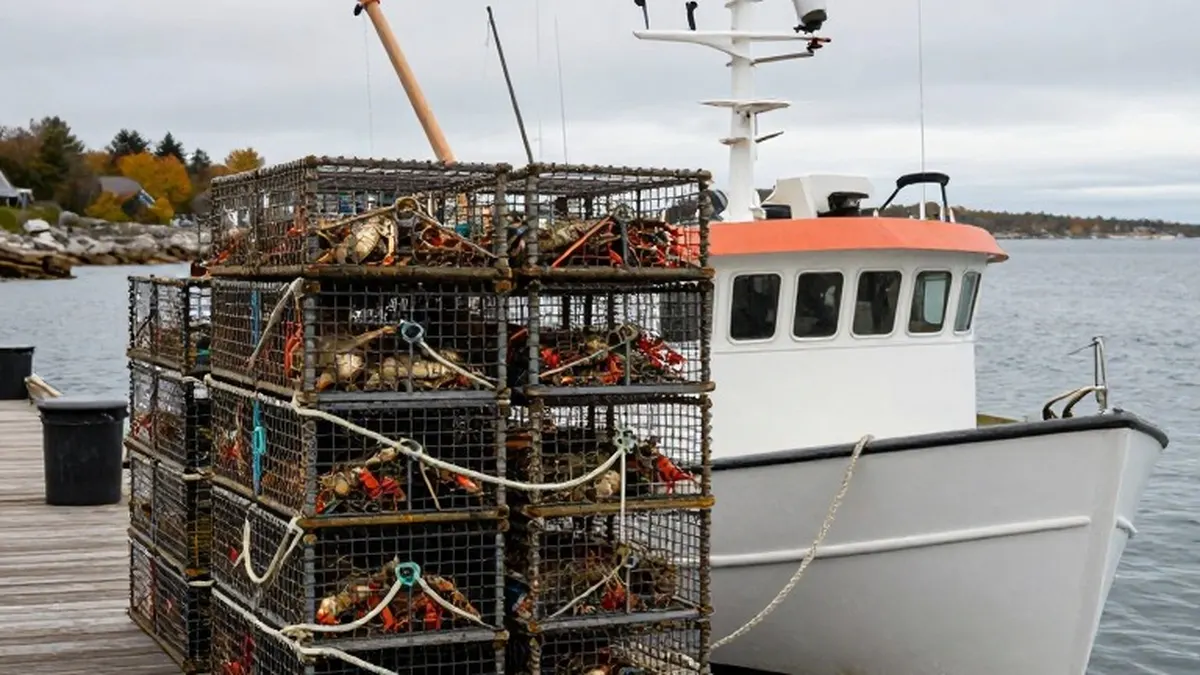
Maine’s lobster industry is confronting higher fuel bills and uncertainty over trade with Canada as voters prepare for Tuesday’s US midterm elections. The pressures have become an issue in the closely contested Senate race between Republican incumbent Susan Collins and Democrat Troy Jackson, with businesses dependent on cross-border processing caught in the dispute.
David Horner, who has fished for lobster off Maine for half a century, illustrates the competing loyalties facing some fishermen. He voted for President Donald Trump three times and supports his rollback of environmental rules affecting commercial fishing. But he opposes Trump’s confrontational approach to Canada and has seen the costs of bait and diesel rise. Horner still intends to vote for Collins.
Diesel prices reached record levels in September amid tensions involving the US, Iran, Russia and Ukraine. The average price has climbed from $3.08 per gallon before the US and Israel began their war on Iran to $6.29. For Horner, the increase has made it more difficult to judge whether a fishing trip will cover its costs.
Maine’s lobster fisheries generated $461 million in 2025, supporting a seafood economy closely connected to Canada. During the peak season from late summer into early autumn, catches can exceed local processing capacity. An estimated 60 percent of Maine’s catch is processed in Canada, becoming products including tails, meat and bisque, some of which return to the US for sale.
That relationship came under strain in August when Trump imposed tariffs on $20 billion in Canadian goods, alleging unfair treatment of US products. Canada retaliated but removed its seafood levies later that month. Although seafood ultimately received exemptions, the dispute unsettled the industry. Separate tariffs on imported steel and aluminium have also increased costs for businesses that use those metals to make lobster traps.
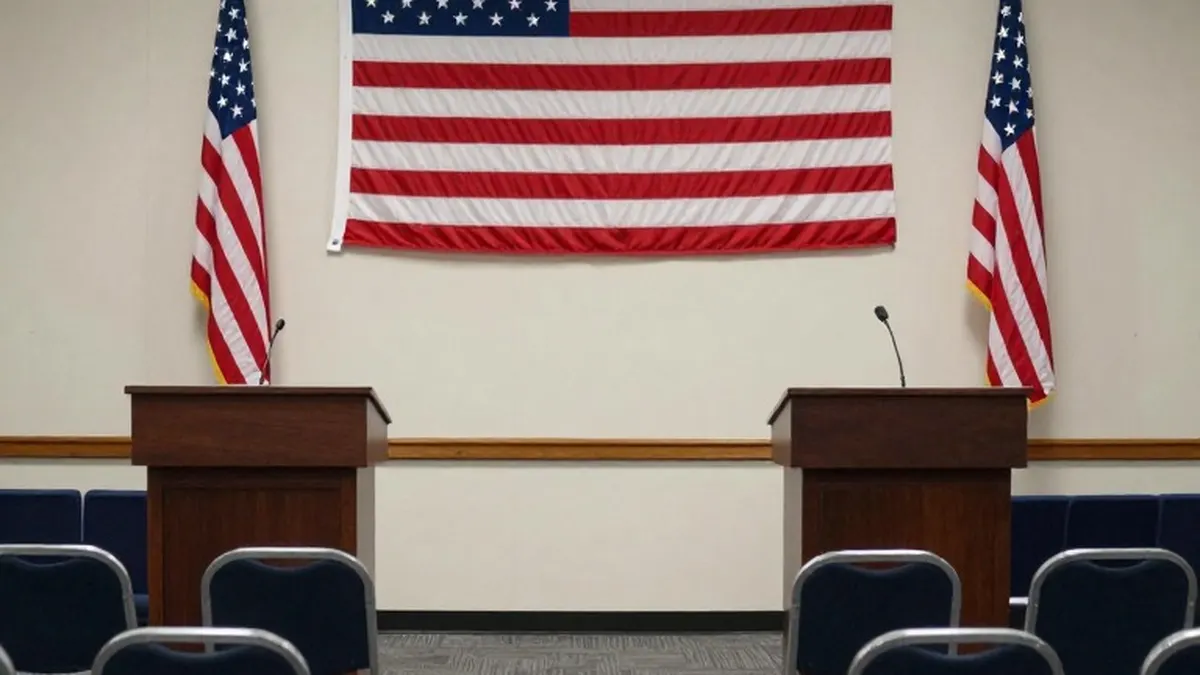
Jackson, a former Maine State Senate president, has a narrow polling advantage. A recent CNN survey put him four percentage points ahead, while Marist showed a two-point lead, within its margin of error. Collins has supported Trump’s position in 92 percent of Senate votes during his second term, but has opposed several tariff measures. In April 2025, she voted to overturn Canadian tariffs and backed a resolution against his wider global tariffs. She also challenged seafood tariffs in August.
Jackson argues that Collins has done too little to resist the president’s trade policies. When she highlighted her work securing exemptions for goods including road salt during their latest debate, he replied: “We can’t eat road salt.” Republican strategist Lance Dutson told Al Jazeera that Collins had made her efforts to limit the tariffs’ effects clear. Her campaign did not respond to the outlet’s request for comment.
The trade rules continued shifting shortly before the election. On October 30, Trump removed 50 percent tariffs on some Canadian products, including certain machinery and packaging goods, while extending tariffs to other goods. Longer-term competition is another concern. Canadian lobster faces a 7 percent tariff in China, compared with 17 percent for Maine lobster. Justin Snyder, a lobster industry worker and Democratic strategist, warned that Canada’s stronger trading relationships could reduce US exporters’ market access and depress prices paid to fishermen.
Climate change adds another challenge because lobsters favour cold water and migrate. Warming seas could push them farther north, potentially benefiting Canadian waters while increasing pressure on Maine. For Horner, however, the immediate concern remains the expense of operating his boat. “The high diesel fuel is the biggest enemy of the fishing industry,” he told Al Jazeera.
Source: Al Jazeera