Lindsay Clancy seeks dismissal of murder charges after jury deadlock
Lawyers disputed the judge’s handling of a holdout juror as Lindsay Clancy sought to have charges dismissed on double jeopardy grounds.
By Kofi Greco ·
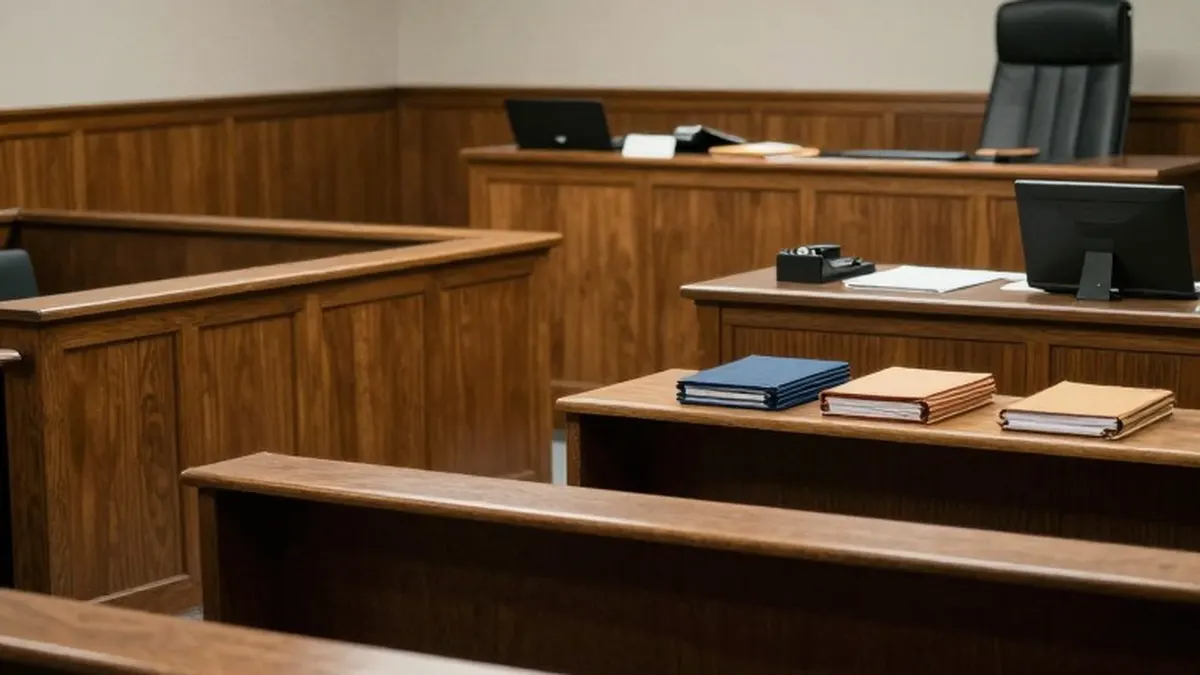
Lindsay Clancy appeared in court in Massachusetts on Monday, November 2, seeking dismissal of charges that she murdered her three young children in 2023. Her defense argued that the court’s handling of jury disagreements before her September mistrial provided grounds to prevent another prosecution under double jeopardy protections.
The appearance was Clancy’s second since her trial ended without a verdict because jurors could not agree. Clancy, 36, has not disputed killing the children. Her lawyer has argued that postpartum psychosis left her unable to control her behavior. Prosecutors have acknowledged her mental health problems while maintaining that she acted deliberately and knew her actions were wrong.
At the hearing before Judge William Sullivan, defense attorney Martin G Weinberg challenged the response to two notes from the jury foreperson reporting that a juror was not following the rules. Weinberg argued that a fuller inquiry might have established a basis for removing Michael Desronvil, the sole holdout, allowing deliberations to continue and potentially preventing the mistrial.
Sullivan had responded to the notes by speaking with every juror, reminding them of their responsibilities and explaining reasonable doubt. Each juror said they could apply the law to the case. Weinberg maintained that those assurances were insufficient because a juror could have been untruthful about being willing to follow the law.
The defense attorney said Sullivan should have questioned the foreperson separately to better understand the problem during deliberations. Weinberg argued that the notes were asking the court to investigate further. When he acknowledged the difficulty of the issue, Sullivan told him he did not need to keep doing so, saying he had “thick skin”.
Prosecutor Jennifer Sprague defended Sullivan’s approach, arguing that he had properly balanced the need to address the concerns with the limits on examining jury discussions. Further questioning of the foreperson, she said, could have drawn the court into the substance of deliberations and introduced its own view of what was correct.
Sprague also argued that Sullivan was best placed to assess the jurors’ credibility because he had questioned them directly and accepted their answers. She said Desronvil’s position reflected his belief in Clancy’s guilt, rather than personal reasons or an unwillingness to participate. “He refused to agree,” she said.
Since the mistrial, Desronvil has said he was certain Clancy was guilty but felt nobody would listen to him. Prosecutors maintain that double jeopardy does not prevent them from pursuing the case on behalf of the three children.
Source: The Guardian