Judge dismisses Trump’s $10bn lawsuit against Wall Street Journal
The judge ruled that Trump’s legal team had failed to establish actual malice over reporting on a letter allegedly included in Jeffrey Epstein’s birthday book.
By Kofi Greco ·
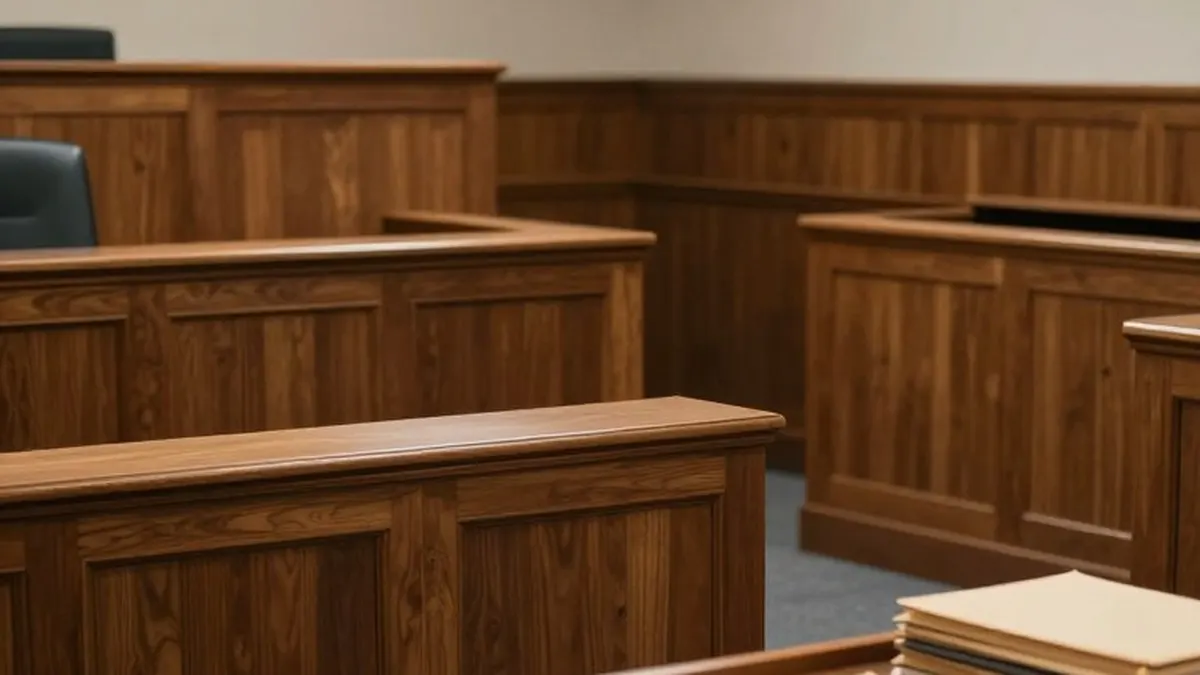
A US judge has dismissed President Donald Trump’s $10bn lawsuit against The Wall Street Journal over its reporting on a birthday letter allegedly written by Trump to Jeffrey Epstein. Judge Darrin Gayles rejected the case with prejudice, meaning it cannot be filed again, and found that the arguments advanced by Trump’s lawyers conflicted with First Amendment protections for the press.
Trump brought the lawsuit last year against the newspaper’s parent company, Dow Jones, and its leader, Rupert Murdoch. The dispute concerned an article about a letter bearing Trump’s name in a book assembled for Epstein’s 50th birthday in 2003. The book predated the sex crime charges against Epstein, the disgraced financier and sex offender.
Trump has denied writing or signing the letter, which included suggestive wording and an outline drawing of a woman’s body. He alleged that the document published by the Journal was fabricated and that the defendants had devised the story to defame him. He also accused the newspaper of slander and violating libel laws.
Gayles had previously dismissed a version of the defamation case that sought $20bn in damages. Trump’s lawyers then filed it again, reducing the amount sought to $10bn. In his latest, 20-page ruling, the judge praised the newspaper’s investigation as “thoughtful and detailed” and described the lawsuit as “grasping at straws” in its effort to find faults in that work.
The ruling centred on whether Trump’s lawyers had established that the defendants acted with actual malice. That legal standard requires proof that a defendant knew a defamatory statement was false or acted with reckless disregard for its truth. Gayles found that Trump’s legal team had not met that requirement.
According to the judge, Trump’s lawyers argued that his denial, given when the Journal contacted him, should have led the newspaper to set aside the other information gathered during its investigation and abandon publication. Gayles rejected that interpretation, saying it was incompatible with both the actual malice standard and the First Amendment. He reasoned that such a rule would allow public figures to prevent negative or contradictory reporting simply by denying an allegation.
The Journal’s account described typewritten lines surrounded by what appeared to be a hand-drawn outline of a naked woman made with a heavy marker. The letter reportedly carried Trump’s signature at the bottom and included a joking reference to enigmas not ageing, followed by a birthday wish referring to friendship and secrets.
The report about the birthday book and the letter bearing Trump’s name appeared as his administration faced intense criticism from both political parties over the summer concerning its handling of Epstein documents.
Source: BBC News