India Cools on Trump Ahead of US Vote
New Delhi has shifted from public praise to open criticism, driven by trade disputes and immigration tensions.
By Marta Price ·
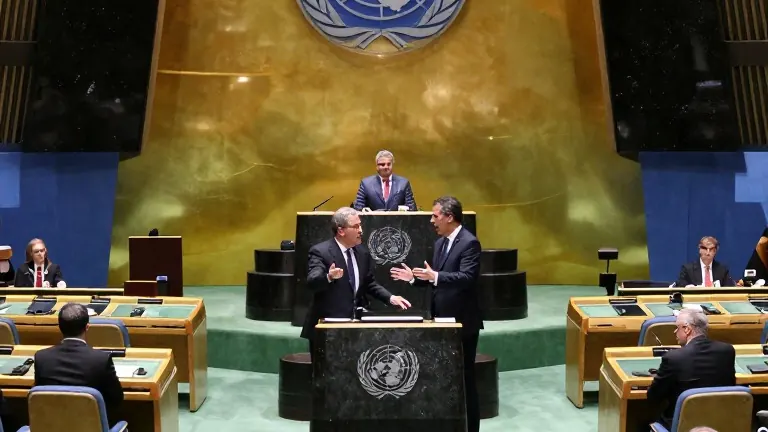
In 2019, Indian Prime Minister Narendra Modi stood beside Donald Trump in a Houston stadium packed with 50,000 Indian Americans, urging the crowd to back the president for a second term. He declared the US leader warm, friendly, and full of wit, even coining the Hindi slogan, "This time, a Trump government." That era of visible enthusiasm has faded as Trump faces midterm elections later this month.
The relationship has soured due to a series of bilateral setbacks that have pushed New Delhi to abandon its traditional practice of quiet diplomacy. Indian officials are now openly critical of the White House, citing specific policy failures and a perceived lack of respect from their counterparts in Washington.
Trade remains a central point of contention. India has been among the hardest hit by Trump’s tariff regime, and negotiations for a relief deal have stalled. Finance Minister Nirmala Sitharaman stated in October that the talks reached a plateau where giving or taking became very difficult. The US Supreme Court struck down sweeping tariffs in February, leading the administration to impose a new 10 percent global tariff instead.
Diplomatic friction has also escalated over security and regional dynamics. Foreign Minister S Jaishankar told Al Jazeera that the administration has been an insensitive partner on terrorism and has warmed to Pakistan, India’s arch-rival. He criticized the US for pursuing self-centred trade policies that disproportionately hurt the Global South. Jaishankar noted that countries should not operate in their own world, making decisions that make life difficult for partners without realizing the impact.
Immigration policy has further strained ties. The MAGA movement has targeted Indian Americans with accusations of job-stealing, while Trump’s administration raised H-1B visa fees and sent undocumented Indian immigrants back home in chains. Analysts say this rhetoric struck a nerve in New Delhi, moving beyond simple policy disagreement to a matter of national dignity.
US Secretary of State Marco Rubio visited Mumbai this week but skipped the capital, a symbolic snub. He told The Indian Express that tariffs are not meant to punish India, noting that the pause on oil sanctions is designed to protect the relationship. However, he admitted the balance is a challenge. Praveen Donthi of the International Crisis Group said the administration’s actions have brought back Cold War-era distrust among the Indian strategic establishment.
Analysts are divided on the impact of the upcoming elections. Milan Vaishnav of the Carnegie Endowment for International Peace believes a chastened Trump would serve India’s interests, as a Democrat-dominated Congress might moderate foreign policy. Michael Kugelman, however, doubts the outcome will change Trump’s approach, arguing the president will continue to pursue policies he believes advance US economic interests, even if that means threatening additional tariffs.
Source: Al Jazeera