Iran warns renewed US and Israeli attacks would bring a wider, costlier war
Iranian commanders say they have strengthened weapons and response plans, while civilians remain exposed and intelligence failures draw criticism within the establishment.
By Kofi Greco ·
Iran’s military is warning that another war with the United States and Israel would last longer and impose greater costs than its opponents anticipate. Commanders say their response could involve new weapons, different tactics and operations beyond West Asia, as signs grow that fighting could resume after the US midterm elections.
The US and Israeli war on Iran began on February 28. A renewed confrontation would be the third major conflict between the countries since June last year. On Sunday, President Donald Trump said the war would end “very soon one way or the other”, warning Tehran to reach an agreement or face further military action.
Hossein Kanani Moghaddam, a former senior Islamic Revolutionary Guard Corps commander, told Al Jazeera that Iran’s forces were operationally stronger despite the extensive damage inflicted earlier this year. He said Iran had expanded its target database, improved missile range, accuracy and warheads, and increased drone capabilities. Additional enemy assets were being identified, with operations planned in more geographical areas, he added.
Senior commanders reportedly met Supreme Leader Mojtaba Khamenei recently to discuss an immediate response to another attack. IRGC spokesman Hossein Mohebbi said on Sunday evening that the force was fully prepared. Army spokesman Mohammad Akraminia said Iran would use asymmetric warfare to offset superior US equipment, adding that weapons had been renovated and equipment and tactics introduced during the brief ceasefire following the June memorandum of understanding with Washington.
State television last month broadcast footage of an underground drone production line. Authorities also presented an upgraded Arash attack drone, claiming improved guidance and a warhead doubled in weight to 100kg. A Reuters investigation published last week reported that agencies connected to Iran’s defence establishment had circumvented sanctions and channelled billions into military imports. Supplies from China, Russia and Germany between January 2025 and June this year included materials for missiles and drones, alongside trucks potentially usable as launchers.
Kanani Moghaddam said surviving and newly developed air defence systems were improving in accuracy. He also claimed Iranian attacks on US Navy vessels in September had kept them from entering the Strait of Hormuz since then. The United States has nevertheless maintained its naval blockade of southern Iranian ports.
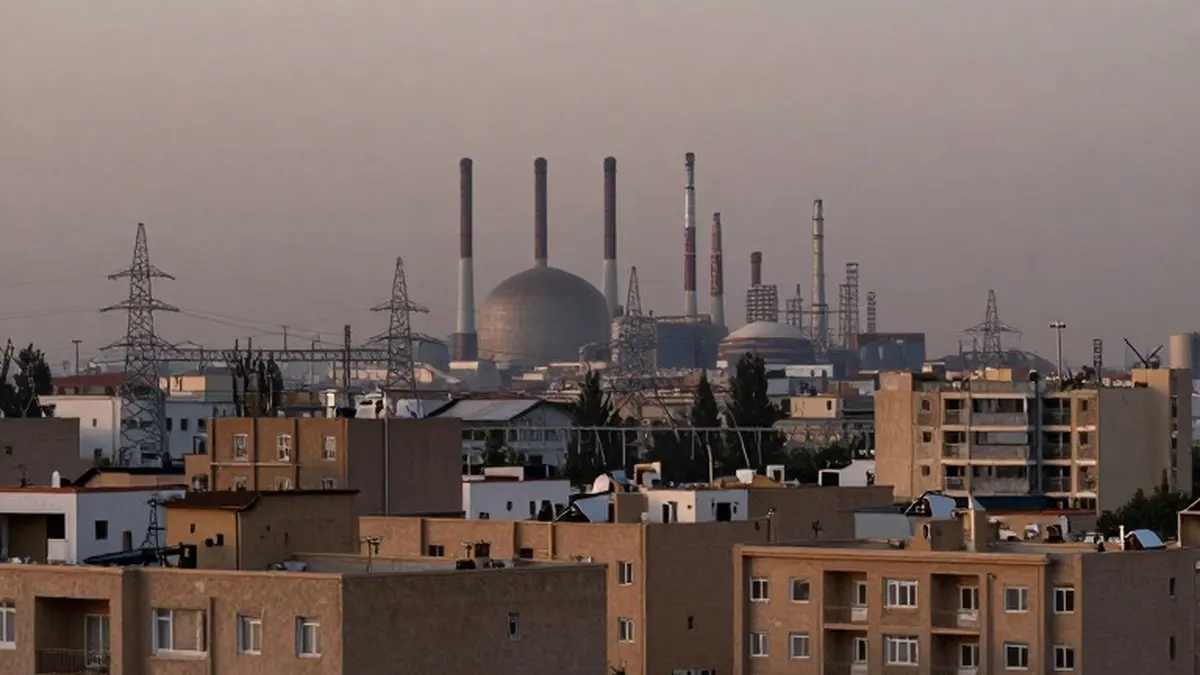
Civilian protection remains limited. Tehran and other cities lack shelters and early warning systems, and authorities have announced no progress on promised shelters or shortcomings in public alerts. Electricity infrastructure, oil and gas facilities, petrochemical and steel plants, roads and railways could face further attacks, compounding hardship during the economic crisis.
The killing of senior political and military figures in both wars has also fuelled concern about intelligence failures. Mojtaba Khamenei has neither been seen nor heard from since succeeding his father, Ayatollah Ali Khamenei, in early March, ostensibly because of security concerns. During a televised debate on Saturday, state-linked analyst Hamzeh Rahim Safavi blamed intelligence weaknesses and criticised the lack of accountability. He said acquiring a nuclear weapon would not resolve those shortcomings.
Esmaeil Kowsari, a former IRGC division commander who now sits on parliament’s national-security commission, offered a different assessment. Speaking to local media last week, he said the assassinations had not delivered what he described as the opponents’ central objectives: overthrowing the Islamic Republic and breaking Iran apart.
Source: Al Jazeera