US midterm history shows steep odds for the president’s party
The party holding the White House lost House seats in 18 of 20 midterm elections from 1946 to 2022, although Senate results have been less consistent.
By Pablo Montgomery ·
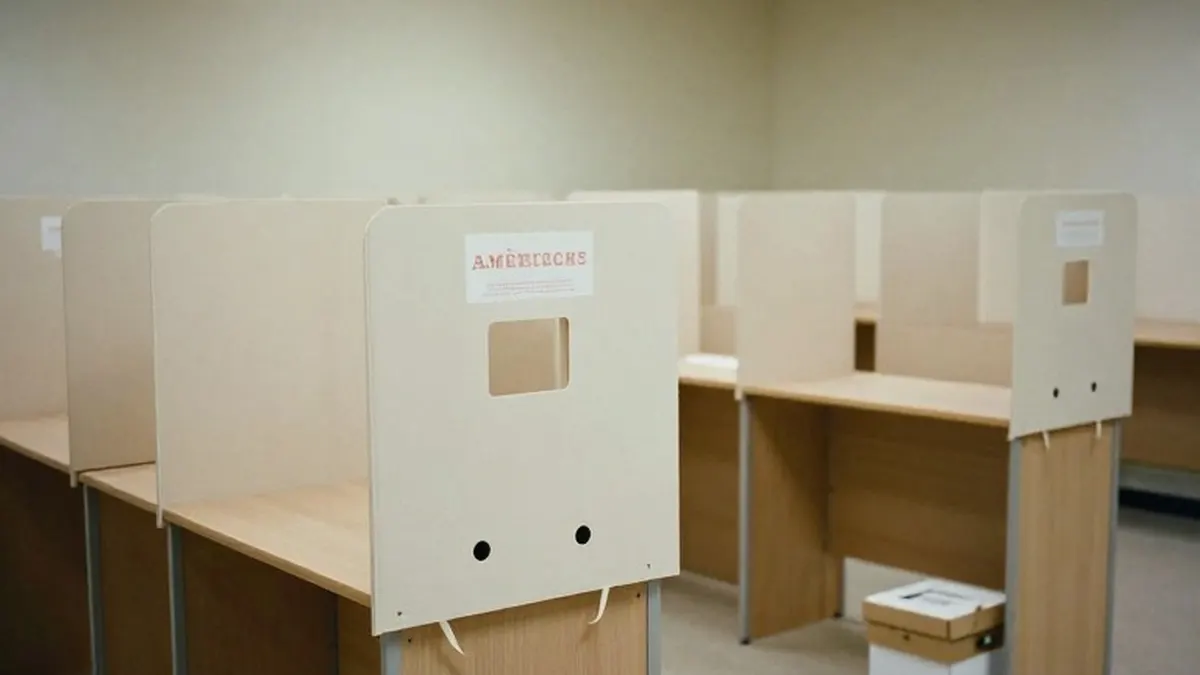
Americans will vote on Tuesday in midterm elections that will determine control of Congress for the next two years. All 435 seats in the House of Representatives and 35 of the Senate’s 100 seats are being contested. Although the president is not on the ballot, the elections offer voters an opportunity to deliver a verdict on the administration halfway through its four-year term.
History suggests that judgment usually costs the president’s party seats. Across the 20 midterms held between 1946 and 2022, the White House party lost seats in the House 18 times, with an average loss of 26. The exceptions were Bill Clinton’s Democrats in 1998 and George W Bush’s Republicans in 2002. Political scientists describe the pattern as the presidential penalty or midterm penalty, reflecting voters’ tendency to check the party in power.
Democratic administrations have experienced larger average House losses, about 29 seats compared with about 23 for Republicans. The biggest defeat came in 2010, when Barack Obama’s Democrats lost 64 seats and surrendered the chamber. Democrats also lost their House majority after giving up 56 seats under Harry S Truman in 1946 and 54 under Clinton in 1994.
For Republicans, the largest House setbacks were a 50-seat loss under Dwight D Eisenhower in 1958 and a 48-seat loss under Gerald Ford in 1974. Donald Trump’s first midterm in 2018 brought a loss of 42 seats and the House majority. Overall, control of the House switched in seven midterms during the period: 1946, 1954, 1994, 2006, 2010, 2018 and 2022.
The Senate has followed a less consistent pattern. The president’s party lost seats in 13 of the 20 midterms, but relinquished control only in 1946, 1954, 1986, 1994, 2006 and 2014. Eisenhower’s Republicans recorded the largest Senate loss, 13 seats in 1958. Truman’s Democrats lost 12 in 1946, while Obama’s Democrats lost nine and their majority in 2014.
Senate elections differ because members serve staggered six-year terms, leaving only about a third of seats contested in each cycle. The states voting can therefore be as consequential as the national mood. In 1982, Ronald Reagan’s Republicans lost 26 House seats while gaining one Senate seat. Republicans under Trump in 2018 and Democrats under Joe Biden in 2022 also lost House control while adding a Senate seat.
A substantial loss does not necessarily end a majority. Lyndon Johnson’s Democrats retained the House despite losing 47 seats in 1966. In 1986, Reagan’s Republicans lost just four House seats, but an eight-seat Senate loss cost them control of that chamber.
Congressional majorities determine legislative priorities. Bills require approval from both chambers before reaching the president, giving an opposition majority in either chamber the ability to obstruct the administration’s plans. House control also provides powers to investigate and impeach a president, while a Senate majority can reject presidential nominees, including federal judges appointed for life.
In this election, Democrats need gains of three seats to take the House and four to take the Senate. An evenly divided Senate would remain under Republican control because Vice President JD Vance can break tied votes.
Source: Al Jazeera