European supermarkets hit by new wave of cyber attacks on refrigeration systems
Hackers targeted fridges in Ireland, Sweden, Belgium, and other nations, causing temperature spikes and significant food spoilage.
By Pablo Montgomery ·
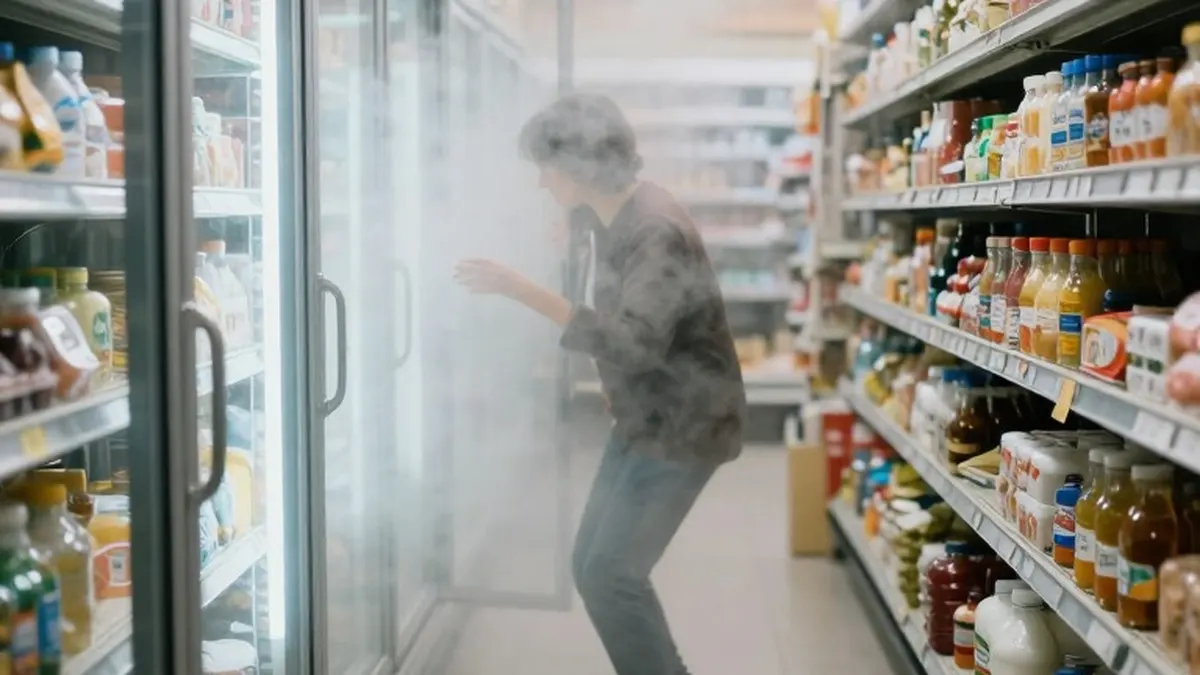
A new wave of cyber attacks has struck refrigeration systems in supermarkets across several European countries, including Ireland, Sweden, Belgium, Luxembourg, the Netherlands, and Estonia. The incidents occurred less than a month after a similar breach affected hundreds of stores in France, causing temperatures to rise sharply and leading to widespread food spoilage.
In Ireland, SuperValu, the country's third-largest supermarket chain, reported that a cyber incident affected a specific model of refrigeration system in 13 of its 223 locations. The company stated that chilled and frozen products were removed from sale as a precautionary measure.
Sweden's national cyber security center is responding to multiple incidents at ICA and Co-op grocery stores. Freezer temperatures in these locations rose sharply overnight on Monday. Engla Ingwall, a sales manager at an ICA franchise in Stockholm, said the attack was detected at 5:30 am after occurring at 2:00 am. She noted that all freezers had reached 50 degrees Celsius, stating, "Everything is destroyed." Co-op confirmed to the Swedish newspaper Aftonbladet that six of its stores were affected.
The disruption extended to Belgium and Luxembourg, where dozens of stores operated by Ahold Delhaize were hit. Carrefour reported issues in 15 of its 700 Belgian shops, while five Spar stores under the Colruyt Group also experienced system failures. IKEA acknowledged that one of its Belgian outlets was impacted, though it could not rule out further effects. Belgian prosecutors have opened a criminal investigation into the attacks.
In the Netherlands, the Danish engineering firm Danfoss indicated that 17 outlets were impacted, according to Dutch news site Nos. In Estonia, an unnamed supermarket chain reported that temperatures were set to 50 degrees Celsius, as told by technology supplier Kitman Coldtech to public broadcaster ERR.
The recent events follow a major incident in France last month, where Les Mousquetaires, the owner of Intermarche, had to dispose of food from approximately 150 affected stores. Monoprix and Ahold Delhaize also reported systems being taken offline due to security issues in their networks.
Luc De Laet, owner of a Belgian butchery chain, described being woken by an employee at 3:30 am to find his fridges set to 18 degrees Celsius, ruining approximately 15,000 euros worth of meat. He expressed concern that hackers can program temperature systems remotely. Stephan Moelans, CEO of Belgian refrigeration company Sabcobel, confirmed the incident involved units being switched to defrost mode.
A European Commission spokesperson emphasized the importance of cybersecurity across the bloc, while the EU Food Commissioner noted that supply chains must be able to withstand such threats. Although no group has claimed responsibility, the attacks have heightened regional anxiety regarding hybrid warfare tactics following Russia's 2022 invasion of Ukraine, a link Moscow has repeatedly denied.
Tom Hegel, a researcher at cybersecurity firm SentinelOne, suggested that the lack of financial demands in these cases points to sabotage rather than extortion. He explained that retail is an easy target because chains manage large networks of refrigeration controllers and building systems, and grocery margins are thin, meaning disruption causes quick and public damage.
Source: Sky News