Scientists report possible red blood cells in 115-million-year-old dinosaur fossil
Researchers say structures and chemical traces in a dinosaur bone from Brazil may preserve evidence of ancient blood, although their interpretation is disputed.
By Kofi Greco ·
A dinosaur fossil from north-eastern Brazil may contain preserved red blood cells and chemical traces associated with blood, according to researchers examining bones dating back 115 million years. The findings could offer new ways to study dinosaur biology, but another scientist has questioned whether the structures identified are blood cells.
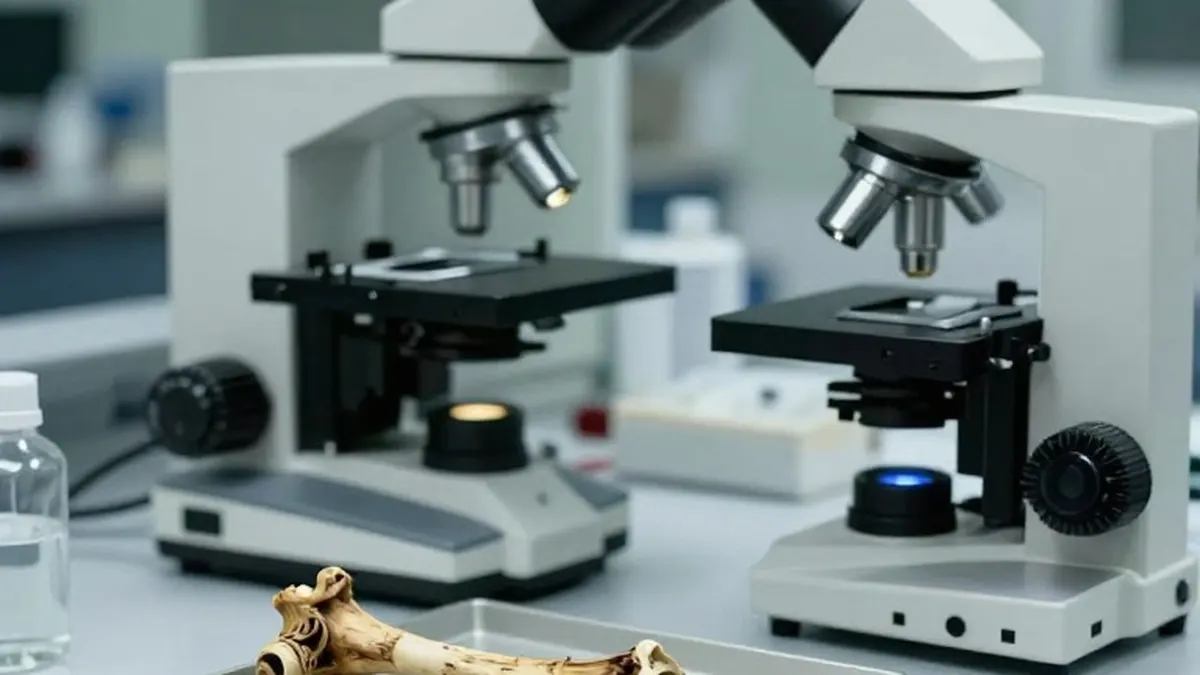
The team analysed hind leg bones belonging to Aratasaurus, a small meat-eating dinosaur. Images taken with an electron microscope showed tiny rounded structures inside narrow channels that once held blood vessels. Chemical analysis also detected heme, the organic compound that enables haemoglobin to transport oxygen in blood, along with products formed as heme breaks down.
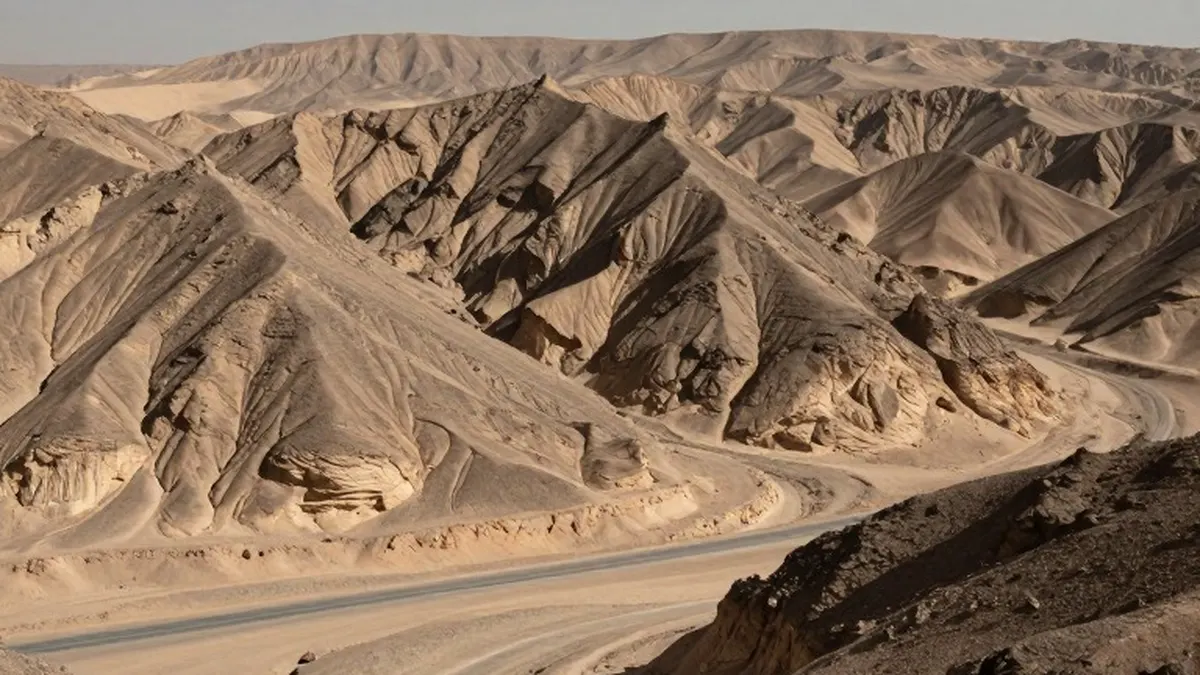
Prof Kliti Grice of Curtin University in Western Australia, who led the research, said the findings represented preserved mineral and molecular evidence of the animal’s biology. She described the identification of fossilised red blood cells in their original location, accompanied by distinct chemistry linked to heme, as a world first. The fossil was found in a mine in 2008 and has since been kept at the National Museum of Brazil, where research on it continues.
Grice noticed the cell-like structures while studying the hind leg bones. Subsequent chemical results strengthened the team’s interpretation, and testing also revealed traces of amino acids that form collagen, an important protein in connective and other tissues. The research was published in Proceedings of the National Academy of Sciences.
The proposed discovery raises questions about how such material could survive. Biological tissues and molecules can deteriorate rapidly, making claims of their preservation in ancient fossils contentious. Grice suggested that hausmannite, a manganese compound formed within and around the apparent cells, could have stabilised them before fossilisation. She said the same mechanism might also have aided the preservation of amino acids.
Prof Mary Schweitzer of North Carolina State University, whose own research has identified remnants of blood vessels and soft tissues in dinosaur fossils, remains unconvinced by the blood-cell interpretation. She said dinosaur red blood cells should show a central nuclear bulge, producing a dome-like shape on both sides. The concave appearance of the structures reported by Grice’s team suggests they could have another explanation.
Schweitzer found the evidence for heme and collagen amino acids more convincing. She said advances in the examination of fossils were repeatedly challenging the assumption that organic material originating in an animal would disappear within a million years or less. If the blood-cell findings are confirmed, they could help researchers investigate dinosaur metabolism and activity levels.
Grice cautioned that the study does not establish that large molecules such as proteins or DNA survive in ancient fossils. “Any extraordinary claim needs extraordinary analytical evidence,” she said. She nevertheless suggested that museum collections worldwide could hold further molecular information awaiting investigation.
Source: The Guardian