Renewed Tigray fighting threatens Ethiopia's strong economic growth
Ethiopia faces risks to its recovery from renewed conflict, reconstruction needs and poor harvest prospects despite an IMF growth forecast of 9.2%.
By Marta Price ·
Ethiopia's economy is expanding rapidly, but renewed fighting in the north threatens a recovery already burdened by reconstruction costs and climate-related pressures on farming. The International Monetary Fund forecasts real growth of 9.2% for the 2025-26 fiscal year. London-based financial analyst Abdulmenan Mohammed told DW that a major conflict would make the current pace of expansion unsustainable.
The fighting in Tigray and other parts of Ethiopia from 2020 to 2022 destroyed infrastructure, reduced businesses' productive capacity and left some farmland unusable. A World Bank-backed assessment of several conflicts between November 2020 and December 2021 estimated damage at more than $22.6 billion and economic losses at around $6 billion. Reconstruction and recovery needs were put at approximately $19.7 billion. That figure represents total funding requirements, rather than annual spending or damage from the latest escalation. Whether the reconstruction plan covering 2023 to 2028 can be fully financed and completed remains uncertain.
Mohammed said the war's broader economic consequences also included lost output, high inflation and foreign currency shortages. Ethiopia additionally lost preferential access under the US African Growth and Opportunity Act in 2022. The arrangement had permitted certain African exports to enter the American market without duties.
Recovery followed the November 2022 Pretoria peace agreement. IMF figures show growth of 7.2% in 2022-23, 8.1% in 2023-24 and 9.2% in 2024-25, with agriculture, mining and electricity generation among the leading contributors. National growth can coexist with severe regional damage when industries elsewhere continue expanding. Nevertheless, inflation still squeezes households, rebuilding remains costly and debt obligations weigh on the government. Ethiopia defaulted in late 2023 after missing a Eurobond interest payment. An IMF program launched in 2024 supports reforms intended to address structural economic weaknesses.
Further escalation could increase spending on military personnel, equipment and logistics while disrupting economic activity and reducing tax receipts in affected areas. Mohammed warned that military expenditure could absorb resources otherwise available for infrastructure, education and social services. A lengthy conflict could also delay business investment and make international lenders and donors more cautious as security and humanitarian funding needs rise.
The IMF expects inflation to average 11.7% in 2025-26, indicating continued price increases at a slower rate than in earlier years. Mohammed warned that further escalation could intensify those pressures. Additional domestic borrowing to cover government spending could restrict businesses' access to credit, making investment harder to finance.
Military purchases overseas could also increase demand for foreign currency, leaving less available for private-sector imports. This could pressure the birr and raise the cost of imported goods, fuel and industrial inputs. The outcome would also depend on export revenues, monetary policy and international markets, so a fresh inflation surge is a risk rather than a certainty. Poorer households would be especially exposed to rising prices and uncertain earnings.
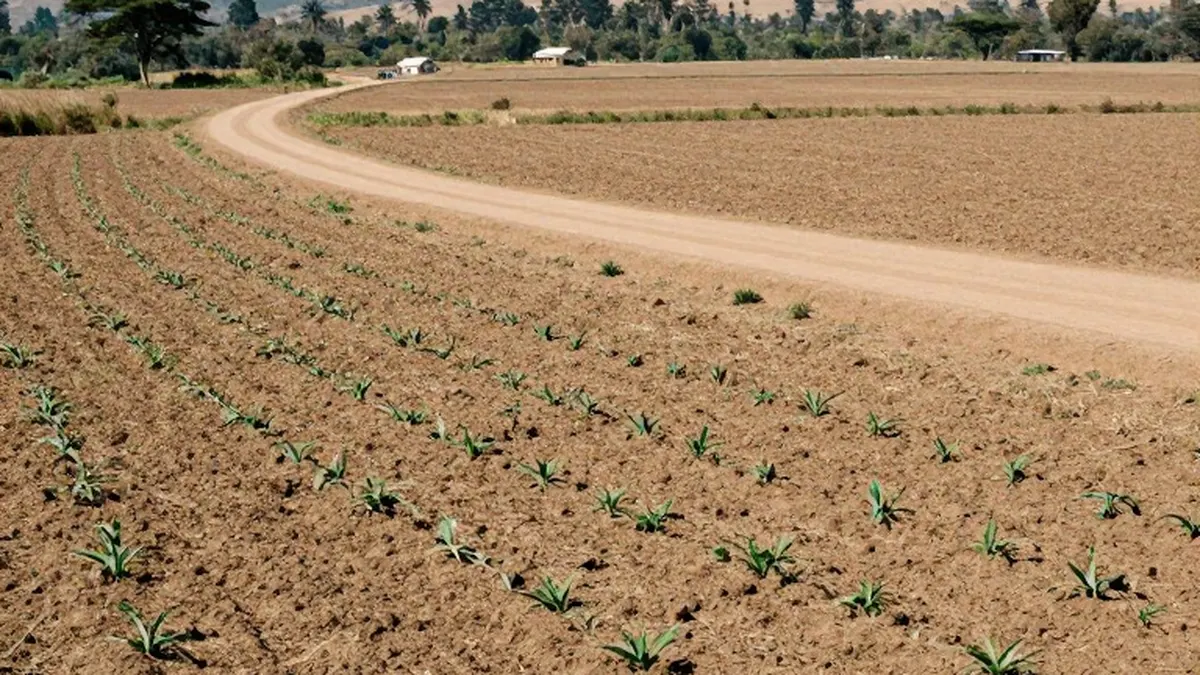
Agriculture faces overlapping threats from insecurity and weather. Fighting near farms, disrupted transport and shortages of inputs can reduce production, while inadequate rainfall in parts of Ethiopia is weakening harvest prospects. Lower yields can cut farmers' earnings and push food prices higher. Tourism and hospitality are also vulnerable because security warnings and reports of violence can discourage visitors.
Although further conflict could prompt investors to consider alternative locations, there is no concrete evidence that companies are already moving investments from Ethiopia to neighboring countries such as Kenya because of the fighting. Mohammed sees no demonstrable economic benefit for Kenya so far. Investors also weigh tax administration, public services and governance alongside security.
Source: Deutsche Welle