800,000 people cut off from aid in besieged Yemen city of Taiz
Houthi forces have severed all primary routes to the city, leaving hospitals on the verge of running out of fuel and food stocks nearly exhausted.
By Kofi Greco ·
Houthi forces have severed every primary route into and out of Taiz, Yemen’s third-largest city, effectively isolating 800,000 residents from humanitarian assistance. The blockade has cut off supply lines for wheat flour, water, and fuel, pushing the urban center to the edge of a severe humanitarian crisis. This escalation follows the collapse of the 2022 UN-brokered truce and the resumption of intense fighting between the Iran-backed Houthis and the Saudi-supported official government in July.
Taiz sits roughly 250 kilometers south of Sanaa, the Houthi-held capital, and 200 kilometers north of Aden, the seat of the recognized government. The city’s pre-war population stood at approximately 1.2 million, but current estimates place the resident count at around 800,000. Strategic control of Taiz and the surrounding highlands allows the Houthis to consolidate their gains near the Red Sea coast and the Bab el-Mandeb Strait. By cutting the Hejat al-Abd road, the group also seeks to isolate pro-government forces from their main supply hub in Aden.
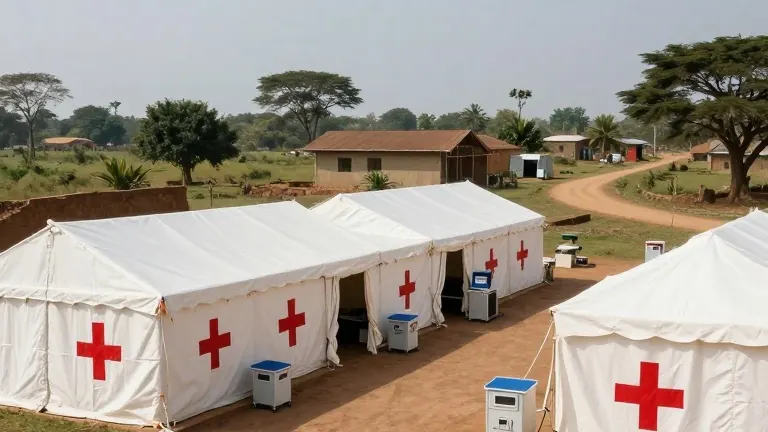
The World Food Program reported on October 14 that its partners can no longer reach more than 600,000 people in Taiz who depend on aid. This includes over 200,000 women and children. When combined with communities affected by access losses on the west coast in early September, the total number of people beyond WFP’s reach now stands at 800,000. El-Khidir Daloum, the WFP country director for Yemen, stated that the organization is critically concerned about the escalating conflict and the growing number of people it can no longer reach.
Daloum noted that many affected families have been displaced multiple times and were already struggling to afford basic food items. He warned that the situation could rapidly spiral into a catastrophe if assistance cannot move safely to those who need it most. The blockade has created a critical fuel shortage in the city. As of now, 12 hospitals in Taiz are hours away from running out of fuel. If the supply lines are not restored, the lives of thousands of patients dependent on electricity for life-support systems are under threat.
Food stocks in the city are nearly exhausted. The fuel crisis is also forcing the closure of desalination plants in and around Taiz, which is dwindling the supply of fresh water for the population. The WFP states that more than 18 million people across Yemen face acute food insecurity. Of these, 2.2 million children under the age of five are acutely malnourished, including 500,000 suffering from severe acute malnutrition, which is the most life-threatening form.
Yemen has experienced extreme poverty and deprivation prior to the current surge in violence. A recent study recorded 15,300 cases of childhood malnutrition in the remote Abyan province. The WFP and other aid groups need to establish humanitarian corridors to move fuel and supplies into the city center. However, pressure from the international community appears limited. The UN Security Council has not prioritized the issue, and allied nations such as Pakistan and Turkey have indicated they do not intend to commit forces. The United States has told Saudi Arabia that it will provide only indirect assistance in the fight against the Iran-backed forces.
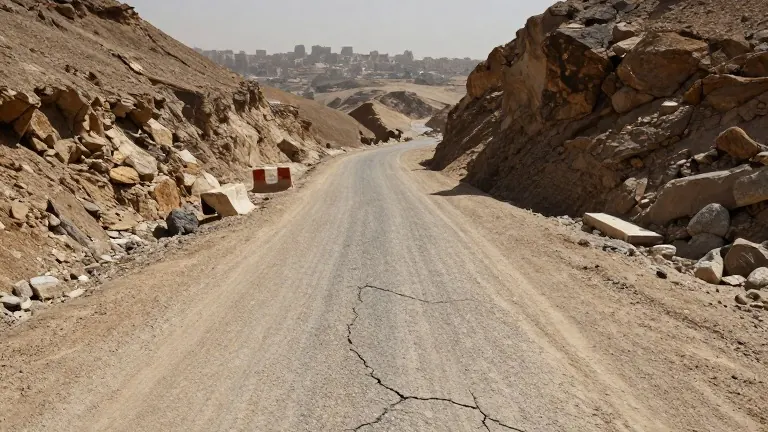
The conflict in Yemen has accounted for the majority of war-related deaths in the Middle East over the last decade. More than 378,000 people have lost their lives in this conflict since 2015. The Houthis have largely succeeded in their objective to cut off the city by capturing the al-Safiya area and severing the main road to Aden. They have also destroyed parts of the Hejat al-Abd road across the mountains, rendering an additional unpaved route unusable for heavy supply vehicles.
Source: The Jerusalem Post