Texas voting maps face electoral test as Republicans seek congressional gains
The November 3 midterms will test whether Republican gains from redrawn districts can withstand shifting Latino support and Democratic turnout efforts.
By Marta Price ·
Republican efforts to gain congressional seats by redrawing district boundaries face a test in the November 3 US midterm elections, with Texas central to a nationwide struggle over political representation. The party hopes its new maps will deliver at least five seats in Texas, but changing voter sentiment has complicated those ambitions.
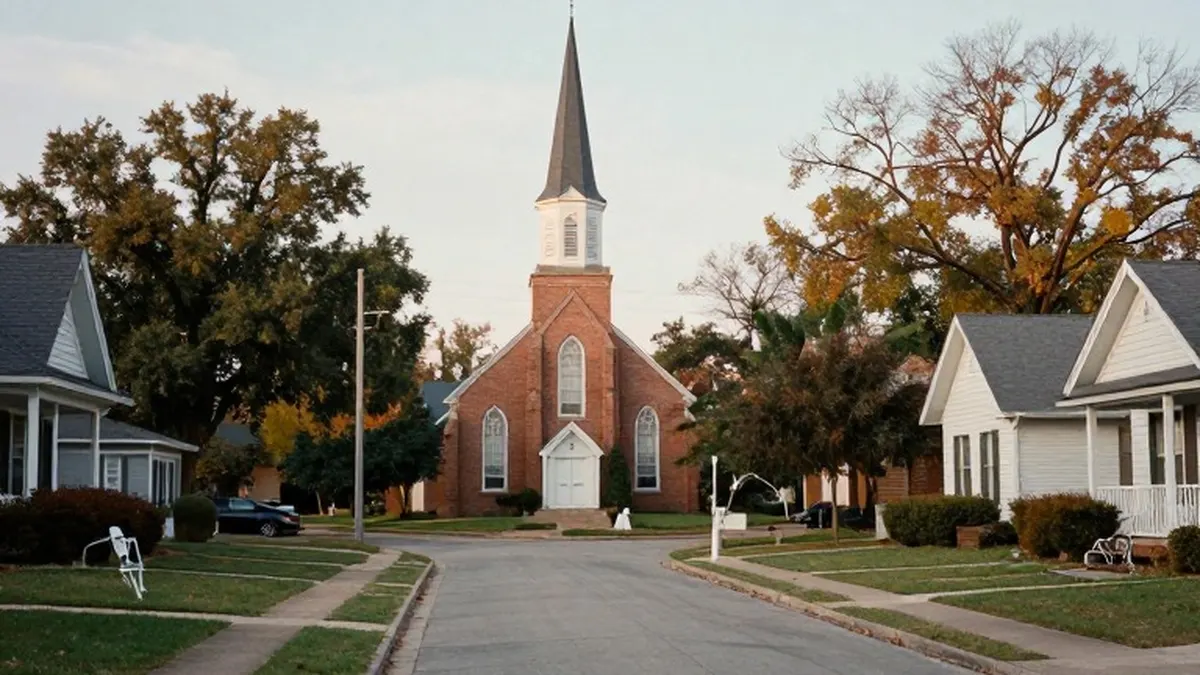
In Houston’s predominantly Black Sunnyside neighbourhood, the changes have reshaped representation for worshippers at Mount Hebron Missionary Baptist Church. The church and surrounding community were moved from the ninth congressional district into the Black-majority 18th district after Texas Republicans redrew the map last year following an appeal from President Donald Trump. Democrat Al Green, whom voters in the ninth district had helped elect for two decades, subsequently lost a primary against fellow Black Democrat Christian Menefee, the incumbent in the 18th.
The result left Houston with one fewer Black representative in Congress and made the ninth district more favourable to Republicans. Critics describe the strategy as dividing minority communities or concentrating them in fewer districts to reduce their electoral influence. Pastor Max Miller, who has led Mount Hebron for 18 years, sees the changes as part of a retreat on voting and civil rights. Texas Southern University professor Michael Adams said losing a Black congressional representative could leave a significant share of Houston’s Black electorate feeling less represented.
The unusual wave of redistricting between census cycles has extended well beyond Texas. Republican legislatures successfully changed maps in Missouri, North Carolina, Tennessee, Louisiana, Alabama, Florida and Ohio. Democrats redrew California’s districts, while a court-ordered Utah map created a favourable seat for them. A Democratic effort in Virginia was invalidated. Around 35 million voters nationally will cast ballots in newly redrawn districts.
The legal framework has also changed. Section 2 of the Voting Rights Act of 1965 had long barred congressional maps that diluted minority voting power. In April, the conservative-dominated Supreme Court required challengers to establish racist intent. Critics say that standard makes racial gerrymandering much harder to challenge, while opponents of Section 2 argue that protecting minority voting strength through district boundaries is itself discriminatory. Texas Republican State Representative Todd Hunter defended his state’s map as reflecting political considerations, public testimony, population growth and changing voting patterns.
Republicans hoped the competing nationwide map changes would produce a net gain of at least 13 seats, although polling has suggested smaller gains. In Texas, their calculations relied heavily on Latino voters’ strong movement towards Trump in 2024. His popularity among those voters has since fallen sharply, partly amid dissatisfaction with the economy and his administration’s aggressive deportation campaign.
That shift has encouraged Democratic organising in the ninth district. Dayana Iza, Texas director of Latino voting organisation Mi Familia Vota, said its substantial Latino population includes many people who rarely vote, giving Democrats a possible route to victory through greater participation. The organisation has directed resources towards the congressional contest.
Democratic candidate Leticia Gutierrez and State Senator Molly Cook canvassed eastern Houston on the Saturday before the election, seeking personal connections with disillusioned residents. Gutierrez emphasised affordability pressures. Chemical plant worker Christian Garcia, 53, described distrust of politics and concern about retirement and his children’s financial future. Nearby, teacher Esmeralda Gil, 39, hoped for Democratic gains and called for affordable housing and healthcare.
Source: Al Jazeera