US midterms put control of Congress and Democratic policy on Israel in focus
Democrats are seeking congressional majorities as divisions over military aid to Israel reshape key races and the party's prospective membership.
By Pablo Montgomery ·
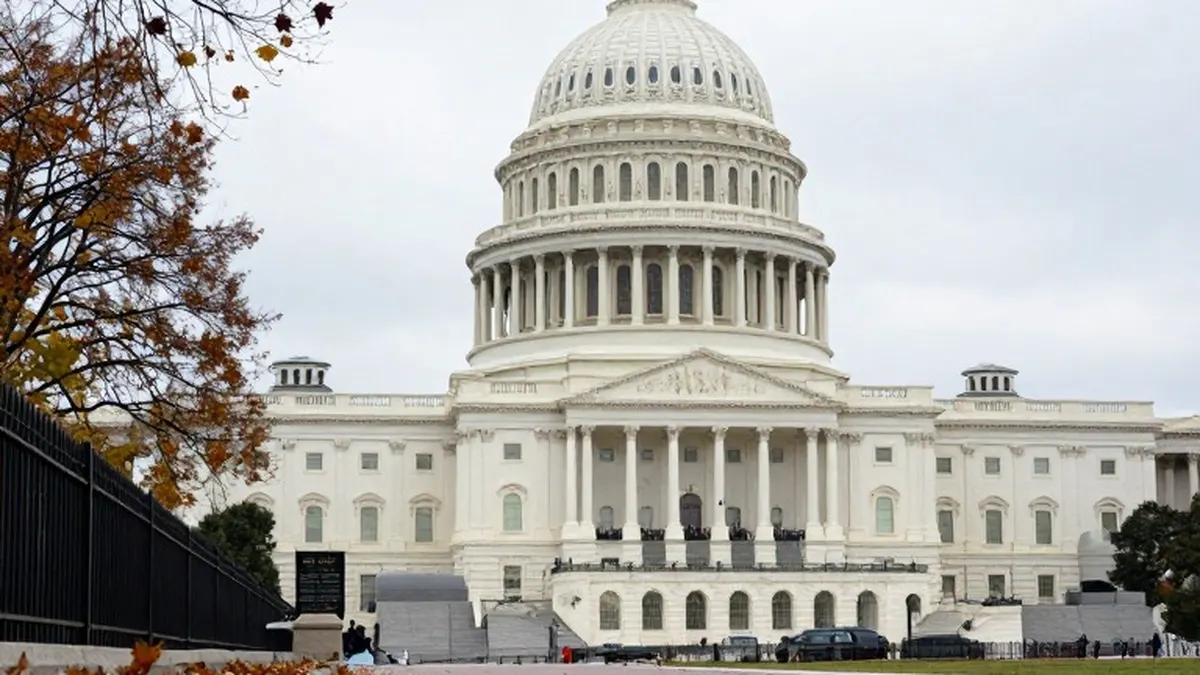
Republicans are defending control of Congress in the November 3 midterm elections, President Donald Trump's first electoral test since returning to office. Living costs, gasoline prices, immigration and the war with Iran are central issues for voters. The results could also affect Washington's relationship with Israel, as Democratic candidates seeking restrictions on military assistance compete for seats.
All 435 House seats and 35 Senate seats are being contested, alongside governorships in 36 states. Republicans hold a slim House majority and a 53-47 Senate advantage, counting two independents with the Democrats. Democrats need a net gain of four Senate seats to take control. Winning both chambers would give them greater power to obstruct Trump's legislation, investigate his administration and block senior appointments.
CNN chief data analyst Harry Enten's final forecast put Democrats' chances of winning the House at 92% and the Senate at 71%, while stressing that projections were not guarantees. A Reuters/Ipsos poll published last week placed Trump's approval at 32%. Senate control remains dependent on close contests: the Cook Political Report classified Alaska, Iowa, Kansas, Maine, Michigan, Ohio and Texas as toss-ups.
Michigan has become a particularly sharp illustration of Democratic divisions over Israel. Rep. Haley Stevens, who lost the August Senate primary to physician Abdul El-Sayed, announced on Sunday that she would support Republican Mike Rogers. The candidates are competing to replace retiring Democratic Sen. Gary Peters in a state Trump narrowly carried in 2024.
Stevens objected to an advertisement from an independent organization supporting El-Sayed that connected American living costs with aid to Israel. She called it antisemitic and demanded that he reject its message. El-Sayed said his campaign had no involvement in the advertisement and that he disagreed with it. Their planned unity appearance was canceled, and Stevens's endorsement of Rogers angered Democrats concerned about retaining the seat.
El-Sayed accuses Israel of genocide in Gaza and supports restrictions on military assistance. In a CBS interview aired Monday, he affirmed Palestine's right to exist, then qualified his answer about Israel by referring to a shared understanding. He explained that he supported equal rights for Palestinians and Jewish Israelis and would accept either one state or two if both peoples agreed on equal terms. Polling averages showed him ahead, but most survey interviews preceded Stevens's endorsement.
Other progressive Democrats are positioned to enter Congress from party strongholds. Brad Lander, who defeated Rep. Dan Goldman in New York's 10th District primary, describes himself as a liberal Zionist and supports a Jewish and democratic state alongside a Palestinian state while strongly criticizing Israeli policies. Michigan state Rep. Donavan McKinney, who defeated Rep. Shri Thanedar in their primary, advocates ending military aid to Israel and accuses it of genocide.
In New Jersey's 12th District, surgeon and military veteran Adam Hamawy is expected to win after campaigning on his medical relief work in Gaza. He supports a comprehensive arms embargo and ending military assistance, while saying he opposes antisemitism and would represent Jewish constituents who disagree with him. In California's 34th District, Angela Gonzales-Torres is challenging fellow Democrat Rep. Jimmy Gomez on a platform that includes ending weapons transfers and supporting the Boycott, Divestment and Sanctions movement.
Some progressive candidates have discussed establishing a congressional organization informally called 'The Bloc,' Axios reported, to increase their influence over Democratic leaders. Their potential arrival has raised questions in Jerusalem and among American pro-Israel organizations about bipartisan support for Israel. The candidates have not all committed to joining the group or adopted identical positions.
Source: The Jerusalem Post