US midterm polls open with high stakes for congressional control
Voting has begun in several states for the pivotal 2026 midterms, where Democrats seek to capitalize on economic concerns while Republicans aim to hold onto their narrow congressional majorities.
By Marta Price ·
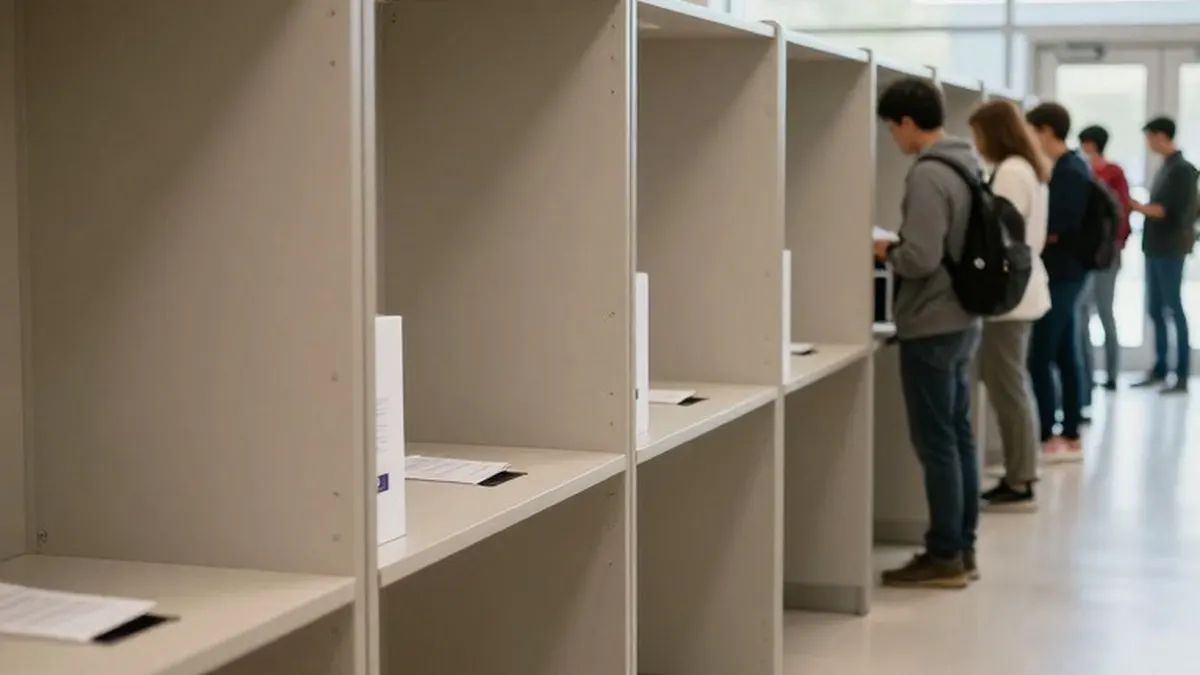
Polls have opened in various parts of the United States for Tuesday's critical midterm elections. The contest includes all 435 seats in the House of Representatives and 35 of the 100 seats in the Senate. Voting schedules are established by individual states, causing polls to open at different times across the country.
The first locations to begin election day voting were Vermont, New Jersey, Virginia, Connecticut, and Kentucky. Other states are scheduled to start accepting ballots shortly thereafter. This marks the final phase of the voting process for many Americans, following a significant early voting period.
More than 57 million Americans have already cast their ballots early in the cycle. Some of the highest turnout in early voting has come from major political battlegrounds, including Georgia, Michigan, North Carolina, Ohio, and Texas. These states are considered crucial for determining the overall outcome of the election.
In addition to federal legislative seats, voters in 36 states will elect governors on Tuesday. The current balance of power in Congress is tight. Republicans hold a majority of 53 seats in the 100-seat Senate. Democrats, along with independents who caucus with the party, hold the remaining 47 seats. In the House of Representatives, Republicans maintain a narrow four-seat majority.
The Democratic Party has campaigned on a platform focused on addressing the nation's cost-of-living crisis and ending the war in Iran under President Trump. The party is aiming for historic gains in both chambers of Congress. Such an outcome could significantly alter the trajectory of the US president's final two years in office.
Conversely, Republicans are hoping to defy the historical trend of midterm losses for the party of the sitting president. Despite President Trump's near record-low approval ratings, conservative and right-leaning candidates are banking on the loyalty of their base. They are also leveraging widespread distrust of progressive politics to counter the expected Democratic surge.
The election comes after a notable development in Michigan politics. Haley Stevens, who lost the Democratic Senate primary in August, endorsed Republican candidate Mike Rogers on Sunday. This endorsement came over her own party's nominee, Abdul El-Sayed, adding another layer of complexity to the contest in that state.
As voting proceeds across the country, the attention of the nation turns to the results. The outcome will determine which party controls Congress and potentially the direction of American policy for the next two years. The close margins in both the House and Senate suggest that the results may be tightly contested.
Source: Al Jazeera