Hormuz strikes test fragile peace before US elections
US military action in the strait raises stakes as Tehran insists on lifting the naval blockade before resuming talks.
By Marta Price ·
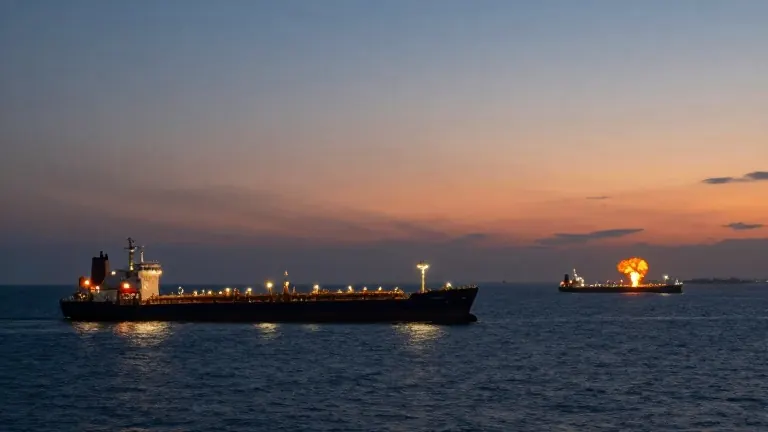
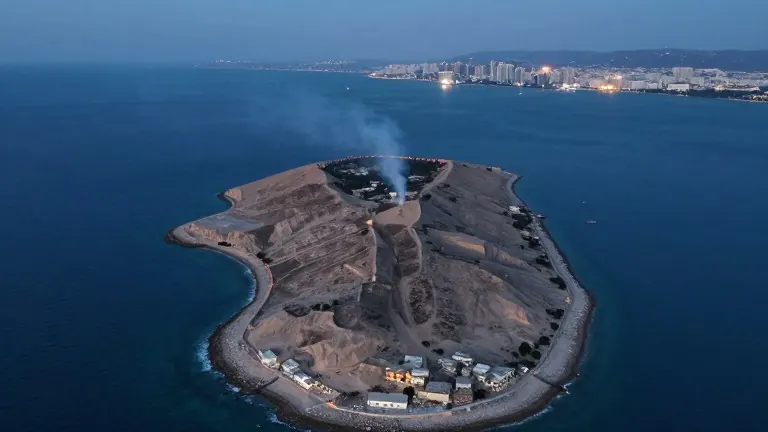
Explosions rocked the islands of Qeshm and Hengam as well as the mainland port of Bandar Abbas in the Strait of Hormuz on Monday. These strikes occurred hours before the United States held its midterm elections. The timing has intensified debate over whether Washington intends to escalate its conflict with Tehran or pursue a diplomatic exit.
A US official, speaking on condition of anonymity, stated that the attacks targeted Iranian forces using surface-to-air missiles against American assets in the waterway. This action marks the first new offensive by the Trump administration since early September. Thousands of US troops remain deployed in the region to maintain a naval blockade that prevents Iranian oil tankers from reaching global markets. Additional forces, including another aircraft carrier, are currently en route to the Middle East.
Tehran responded swiftly to the military pressure. Maj. Gen. Mohsen Rezaei, head of Iran’s Supreme National Security Council, wrote on social media that the strait would not reopen until the US met Iran's specific conditions. Those demands include lifting the naval blockade, waiving sanctions on oil sales, and observing a ceasefire that includes Lebanon. Iranian chief negotiator Mohammad Bagher Qalibaf told state television that the ball is now in America's court to prevent war. He warned that if Washington makes another strategic miscalculation, it will face a new battlefield.
Diplomatic efforts continue in parallel with the military posturing. Two regional officials and a third person familiar with the matter said Israeli Prime Minister Benjamin Netanyahu pressed President Donald Trump for renewed strikes during a call over the weekend. Mediators are working on a framework for Iran to cease attacks in the strait in exchange for the US lifting its blockade. US Vice President JD Vance expressed optimism on Monday, saying he and Trump both feel good about the prospects for a negotiated settlement.
The conflict has strained the global economy and impacted US gasoline prices. This economic pressure has become a vulnerability for the Republican Party as it seeks to maintain control of Congress. Egyptian President Abdel-Fattah el-Sissi called for dialogue between the two nations, warning against further military escalation in the region.
In Tehran, public opinion remains divided over the upcoming US elections. Reza Rezaei, 69, expressed hope that voters would bring about real change by ending what he called extreme leadership. Raheleh Movahhed held a less optimistic view, noting that American policies have consistently favored opposition to Iran regardless of who holds power.
The US and Iran continue to trade warnings while back-channel negotiations proceed. The outcome of the midterm elections may influence the pace of these talks, though officials have not yet confirmed a direct link between the electoral result and immediate military strategy.
Source: WRTV